How to prevent muskmelon fruit cracking? Mastering these methods is key
The pathogenic bacteria of bacterial fruit blotch of muskmelon overwinter in seeds and on the soil surface, and can spread through wind and rain, insects, and farming operations, infecting through wounds and stomata. After contaminated seeds germinate, the pathogen invades from the cotyledons, causing disease in the seedlings. At the same time, the pathogenic bacteria can also infect crops such as zucchini, pumpkin, watermelon, and cucumber. Greenhouse...
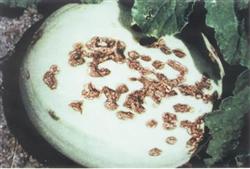 Muskmelon fruit cracking is a major headache for fruit growers. Some cracked muskmelons rot completely before they even ripen, and even if they do ripen, their storage time is greatly shortened, quality is reduced, yield decreases, and sales and prices are affected. Therefore, field management of muskmelon should be strengthened to create internal and external conditions favorable for muskmelon growth and prevent fruit cracking. The methods are as follows:
1. Scientific fertilization. According to the needs and water requirements of muskmelon during its growth period, fertilizer and water should be supplied in a balanced way. When fertilizing, not only should sufficient base fertilizer be applied to meet the needs of early muskmelon growth, but also timely topdressing should be carried out in the later growth stage to meet the fertilizer requirements of late muskmelon growth.
2. Reasonable irrigation. On the one hand, the fruit-swelling water should be applied in time to promote muskmelon fruit expansion; on the other hand, after applying the fruit-swelling water, do not apply heavy irrigation again, especially avoiding watering as much as possible about 10 days before harvest to prevent fruit cracking.
3. Protect the leaves. Pay attention to protecting the leaves near the fruit and use them to shade the fruit from sunlight, avoiding fruit cracking caused by direct sunlight aging the rind.
4. Control temperature. In greenhouse production, heat preservation measures should be taken to keep the average daily temperature in the greenhouse above 15°C; when ventilating, first open a relatively small vent, then gradually open it wider as the temperature rises; when a cold wave suddenly occurs, promptly cover with straw mats and other heat-insulating materials to prevent a sudden drop in temperature.
5. Protect the fruit. Newspaper can be made into paper bags for bagging and shading to prevent direct sunlight. Shading can also prevent spots on the fruit surface, making the fruit more attractive, which is especially important in summer cultivation.
6. Spray trace elements. After fruit set, combined with watering, spray the leaves with 0.3% calcium chloride and 0.12%-0.25% boric acid solution, spraying once every 7 days for 2-3 consecutive sprays to supplement the deficiency of trace elements.