-
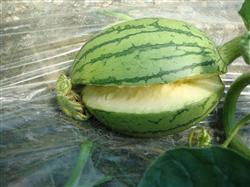
Effective Prevention and Control Methods for Watermelon Fruit Cracking in Spring
Watermelon fruit cracking can be divided into field cracking and harvest cracking. Field cracking is the bursting of the rind under static conditions, mainly caused by sudden changes in soil conditions. For example, if soil moisture is low during a certain stage of fruit development, fruit development is hindered; if rain or heavy irrigation suddenly occurs, soil moisture increases sharply, causing the fruit to expand rapidly and crack,...
-
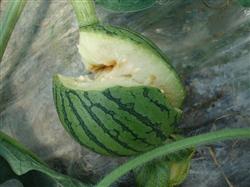
What are the methods for preventing watermelon fruit cracking in spring
Watermelon fruit cracking can be divided into field cracking and harvest cracking. Field cracking is the bursting of the rind under static conditions, and its main cause is a sudden change in soil conditions. For example, if soil moisture is low during a certain stage of fruit development, fruit development is hindered, and then rain or heavy irrigation suddenly causes soil moisture to surge, the fruit rapidly expands and cracks,...
-
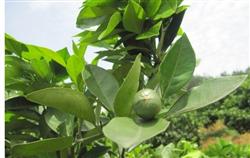
How to prune navel orange trees with alternate bearing? Detailed methods
1. Girdling to promote flowering: In mid-September of the following year, use a girdling tool to girdle upright vigorous branches, with a blade spacing of 0.3 cm. After girdling, apply Flower Promotion King No. 2 (southern variety), which can control shoots and promote flowering, and protect flowers and fruits. 2. Pre-flowering pruning: Winter pruning should be light or skipped, with the focus placed on pre-flowering pruning. High...
-
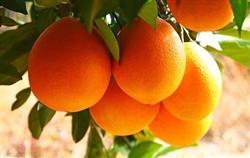
Detailed Explanation of Summer Pruning Techniques and Methods for Navel Oranges
I. Variety Selection and Orchard Establishment. Through our comparative observation of 15 navel orange strains introduced and suitable for the subtropical humid climate, we found that Newhall, Linna, Frost, Fukumoto, and New-79 displayed high and stable yields, excellent quality, and strong marketability, making them valuable for promotion and development. The selection of navel orange seedlings should ensure...
-
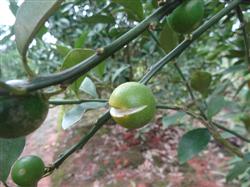
What are the control methods for navel orange fruit cracking?
I. Causes 1. Climate: high temperature and drought in summer damage the peel tissue and cells; excessive rainfall after a long drought causes water uptake, creating excessive turgor pressure that damages the peel; 2. Peel factors: the peel tends toward maturity, the peel becomes thinner, and the flesh becomes softer; sugars in the juice continuously accumulate, accelerating water uptake and increasing turgor pressure; 3. Cultivation...
-
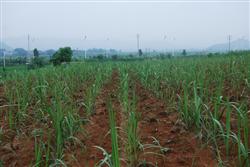
A Detailed Guide to the Nutrient Requirements and Fertilization Methods of Sugarcane
1. Using Phosphate Fertilizer. Phosphate fertilizer must be fully pulverized and thoroughly mixed and composted with garbage fertilizer or farmyard manure before application. In recent years, many sugarcane farmers have spread phosphate fertilizer directly into the furrows. This approach results in a phosphate fertilizer utilization rate of less than 10%, with more than 90% being fixed by the soil into unavailable phosphorus and wasted. The author suggests: apply 30-... of phosphate fertilizer per mu.
-
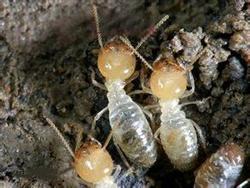
Detailed Explanation of the Harm Caused by Sugarcane Termites and Control Methods
The main sugarcane termites are Odontotermes formosanus and Macrotermes barneyi. Sugarcane is subject to termite damage throughout its entire growth period, with the most severe damage occurring during the germination stage after planting. When attacking seed cane, they mostly invade through the cut ends at both sides, boring into and feeding on the internal tissues of the stem, preventing the seed pieces from sprouting. In the mid-to-late stages, they bore in through the underground cane stem, causing the interior of the stem to become hollow, leaves to turn yellow or tips to dry out, and the entire plant to wither and die.
-
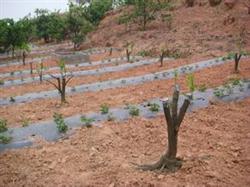
Detailed Explanation of Control Methods for the Three Major Diseases of Navel Orange
When navel orange was top-grafted onto mature Satsuma mandarin trees, the fruiting characteristics appeared normal in the first two years, but thereafter varietal degeneration symptoms appeared year by year: shorter shoots, smaller leaves, lighter leaf color, weaker tree vigor; lower fruiting rate, smaller fruit size, dull and lusterless peel, weaker flavor, and declining fruit quality. In production practice...
-
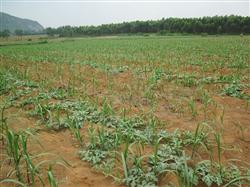
How to control sugarcane pests? New pest control methods are here
1. Reasonably select the plot and good varieties of sugarcane and melon. That is, choose deep soil with good drainage and fertile land for intercropping. For sugarcane, choose varieties that are medium-maturing, high-yielding, high-sugar, and have a high rate of stalk formation; for watermelon, choose varieties that are early-maturing, of good quality, and have a high fruit-setting rate on the first female flowers. 2. Raise seedlings and transplant at the right time. Sugarcane is suitable in early March...
-
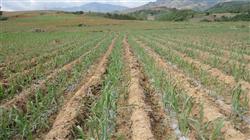
Cultivation Methods and Key Technical Points for Sugarcane Seedlings
1 Plastic Film Mulching Cultivation Techniques for Newly Planted Sugarcane 1.1 Fine Land Preparation Plow deeply 25-30 cm with an ox plow or tractor, achieving two plowings and two harrowings. Then open planting furrows with an ox plow or by hand at a row spacing of 90-100 cm, with a furrow depth of 23-25 cm. At the same time, to prevent future waterlogging from rain, drainage ditches should be opened around the sugarcane field, with a ditch...
条件筛选