-

What are the key management techniques for summer soybean in the mid-to-late growth stage?
How should summer soybean be managed in the mid-to-late growth stage? Please give an introduction. During the flowering and pod-setting stage, soybean growth enters a vigorous period, and vegetative growth gradually reaches its peak; this is the period when soybean needs the most fertilizer and water in its entire life cycle. Sufficient fertilizer and water, strong light and enough carbon dioxide help promote soybean flowering and pod-setting. The high yield of soybean...
-
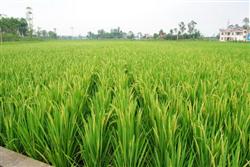
What are the key management points for rice at the heading and flowering stage?
How should rice be managed at the heading and flowering stage? Please explain the methods. When rice encounters continuous low temperature and rainy weather at the heading stage, fungicides should generally be applied to control rice blast. For susceptible varieties, two applications should be made: at the breaking stage (10%-50% of rice in the field breaking) and at the full heading stage (80% of rice panicles in the field emerged). Suitable fungicides include isoprothiolane...
-
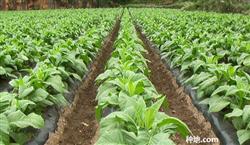
What are the key points of summer tobacco management techniques?
How should tobacco be managed in summer? Summer tobacco can be managed as follows: 1. Promote uniform seedling emergence. Check and fill in seedlings promptly. Pull out weak and small tobacco seedlings and those bitten to death or injured by underground pests, and replant new seedlings. When replanting, apply a small amount of nitrogen fertilizer or compound fertilizer in the hole, water thoroughly, and apply poisoned bait in the hole. For weak-growing tobacco seedlings...
-
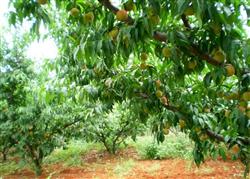
What are the key technical points for summer management of a peach orchard?
How should a peach orchard be managed in summer? Please give an introduction. Summer management of a peach orchard can refer to the following methods: 1. Fertilize according to the tree: in late May, apply a topdressing once to peach trees that bear more fruit this year and have weaker tree vigor. Conversely, do not fertilize peach trees that bear little fruit and have stronger tree vigor. When fertilizing, at the drip line of the canopy, ...
-
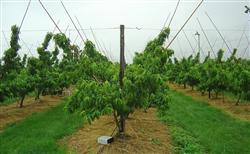
What are the key technical points for summer management of peach orchards?
How should a peach orchard be managed in summer? Please give an introduction to the methods. Summer is an important period for the growth of peach branches and shoots and the swelling of the fruit. Strengthening peach tree management is the key to increasing production in the current year and achieving a bumper harvest next year. 1. Fertilize according to the tree. In late May, apply a topdressing to peach trees that have borne more fruit this year and are weaker in vigor. Conversely,...
-
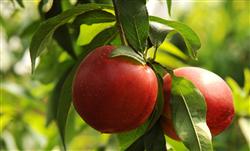
Key Technical Points and Methods for Summer Management of Nectarines
How to manage nectarines well in summer? Please give guidance. Summer nectarine management can refer to the following methods: 1. Control excessive shoot growth to prevent orchard canopy closure. Nectarines have strong branching ability and readily produce secondary even tertiary shoots; in addition, nectarine trees are vigorous, especially with excessive vegetative growth before fruiting. A large number of shoots plus excessive growth...
-
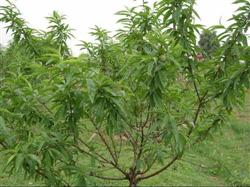
Summer Management Methods and Technical Key Points for Young Peach Trees
How to manage young peach trees well in summer? Please provide guidance. Strengthening summer management of young peach trees can accelerate the development of a good tree shape, increase nutrient accumulation, promote flower bud differentiation, and achieve the goal of early high-quality and high-yield production in the peach orchard. 1. Summer care: mainly through techniques such as removing sprouts, pinching, twisting shoots, cutting shoots, bending branches...
-
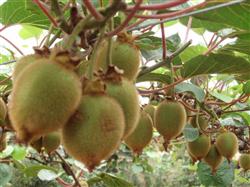
Key Technical Points for Kiwifruit Planting and Management in June
How to manage kiwifruit in June? Here is an introduction to the methods. June is the fruit swelling period for kiwifruit, and also the second peak period of fertilizer demand and the period when pests and diseases are most severe. Making the most of management during this month is crucial. 1. Continue four-season pruning: for the fruiting trees positioned and pruned in May, thin out overly dense branches and overlapping branches, diseased and pest-damaged branches, and thin weak branches. Pinching of fruiting branches: when two fruiting branches are side by side, for one of them leave only one leaf above the foremost fruit and pinch; when the other fruiting branch is being trained as next year's fruiting mother branch, leave 3-4 leaves above the foremost fruit and pinch, with a leaf-to-fruit ratio of 6-8:1. For vegetative branches that are good fruiting mother branches for next year, those already pinched should continue to be trained; those not yet pinched should be pinched after leaving 10-12 leaves. For water sprouts, leave 3-4 leaves and pinch; those with no space should be thinned from the base. They must not be left to grow freely, otherwise useless water sprouts will form.
-
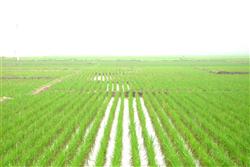
What are the key points of rice planting management techniques?
How should rice be managed during cultivation? Please provide an introduction to the management methods. For rice cultivation management, you can refer to the following methods: 1. Water-saving irrigation techniques. Irrigation during the rice growth period should adopt water-saving techniques, carrying out irrigation and drainage according to the water requirements and characteristics of rice at each growth stage, mainly divided into deep-water greening, shallow-water tillering...
-
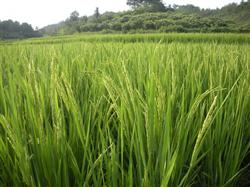
What are the key management techniques for rice during the heading and grain-filling stage?
How to manage rice well during the heading and grain-filling stage? Please provide an introduction to the management methods. The heading and grain-filling stage of rice refers to the period from heading to yellow ripeness. This period is critical for determining grain number and grain weight. The goals of field management are: maintaining roots, protecting leaves, and improving the seed-setting rate and 1000-grain weight. The main field management measures...
条件筛选