-
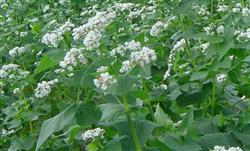
Buckwheat Cultivation Techniques and Field Management Key Points
Buckwheat (also called wumai, huamai or triangular wheat) has a very short growing period, generally only 70-80 days, and is highly adaptable, making it an ideal replanting crop after a disaster. Its main cultivation technique key points: Land preparation Buckwheat is not strict about soil conditions, and can be planted in sandy loam, light loam, acidic soil, slightly alkaline soil and newly reclaimed...
-
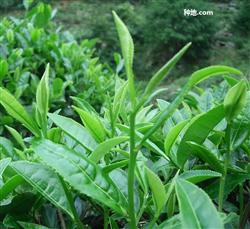
What are the key points of winter tea management?
How should spring tea be managed? Please advise on how to achieve good spring tea quality, a large proportion of output, and high economic returns. How to make spring tea sprout earlier, be picked earlier, and reach the market earlier to increase spring tea yield and value is an important issue for improving the efficiency of the tea industry and raising tea farmers' incomes. Before spring tea picking begins, tea production should focus on tea garden fertilization, tea tree pruning, freeze damage...
-
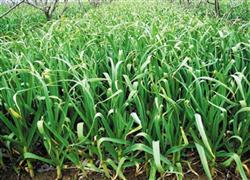
Detailed Explanation of Late-Stage Management Techniques for Garlic Cultivation
How should garlic be managed in the late stage of cultivation? Please provide an introduction. During the symbiotic period of garlic scape elongation and bulb swelling, adequate water and nutrients are needed, along with moderately low soil temperature. Therefore, fine management should be carried out according to different plots and different disease severity levels. For normal disease-free plots, heavy irrigation should be applied, watering thoroughly and deeply, with a per-mu...
-
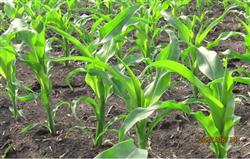
What should be noted in summer corn seedling stage management?
What should be noted for summer corn seedlings? Here is an introduction. The following points should be noted for summer corn seedlings: 1. Check seedlings and fill gaps to prevent missing seedlings and broken rows. To ensure a full stand, check seedlings and fill gaps in time. After sprouting early-maturing varieties, replant, or before the seedlings reach the 4-5 leaf stage, transplant seedlings with soil in the afternoon or on cloudy days. When corn has 3-4 leaves, thin...
-
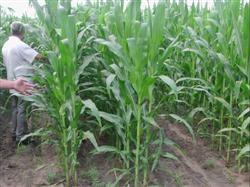
What are the field management methods for summer corn planting?
How should summer-planted corn be managed? Please give guidance. For summer-planted corn, the following methods can be used for management: 1. Reasonably determine planting density. Planting density is the key to achieving a bumper corn harvest. The suitable density should be determined according to factors such as variety characteristics and soil fertility level. Thin and final thinning should be done in a timely manner to ensure planting density...
-
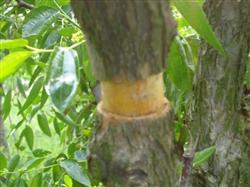
How to Preserve Flowers and Fruits on Jujube Trees? A Detailed Guide to Practical Management Techniques
How to preserve flowers and fruits on jujube trees? Please provide guidance on methods. Jujube trees generally have a high self-fruitfulness rate and do not need pollinator trees, but they suffer from severe flower and fruit drop and low yields, so management should be strengthened during the flowering and fruiting period. For detailed methods, refer to the following list: 1. Trunk girdling. At a distance of 10-20 cm from the ground on the trunk...
-
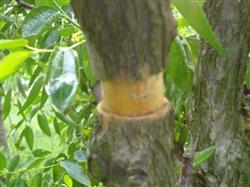
Why Doesn't the Jujube Tree Bear Fruit? An Analysis of Causes and Management Methods
Why doesn't the jujube tree bear fruit? Please explain the causes. The main reasons a jujube tree fails to bear fruit are the following three: Reason one why a jujube tree fails to bear fruit: excessive tree vigor. Solution: During the full flowering period of the jujube tree, perform ring barking (girdling) at the base of the main branches, cutting deep to the xylem, with a width of about 0.5 cm - roughly, however thick the bark is, that is how wide to cut....
-
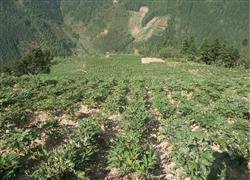
What are the key points of Angelica sinensis cultivation and management techniques?
How do you manage Angelica sinensis during cultivation? For detailed guidance on cultivating Angelica sinensis, you can refer to the following methods for management: 1. Thinning and final thinning of seedlings When the seedlings are 3 cm tall, carry out the first thinning, and after another half month carry out the second thinning. When the seedlings are 10 cm tall, carry out final thinning. For dibble seeding, keep 2-3 strong seedlings per hole. 2. Intertillage and weeding Angelica sinensis 1...
-
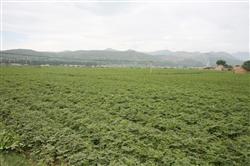
What are the key points of winter management techniques for Angelica sinensis?
How to manage Angelica sinensis in winter? Please give an introduction. For Angelica sinensis sown directly in winter, combine with topdressing before winter, cover the seedlings with manure or add about 1 cm of fine soil over the seedlings to protect them from frost damage; for Angelica sinensis raised in seedbeds and then transplanted, storage of seedlings should be done well in winter; for Angelica sinensis grown for seed, in order to improve seed yield and quality, before harvest it is necessary to...
-
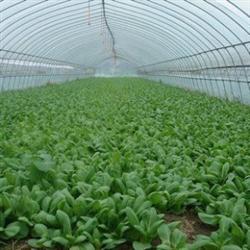
How to manage radish during the seedling stage? These management key points you need to master
How to manage radish during the seedling stage? Please introduce the management methods. Radish seedling stage management can refer to the following points: 1. Thinning and final thinning. At present, radishes are about to enter the thinning and final thinning stage, so thinning and final thinning should be done in time to avoid competing for nutrients with each other, which leads to thin and weak growth. When thinning and final thinning, pull out diseased...
条件筛选