Detailed Explanation of Key Management Techniques During Grape Ripening
1. Timely picking in batches. Grape varieties differ, and their ripening periods are not the same either, so different measures should be taken according to different situations when picking. Ripe grapes have a glossy surface, transparent flesh, and a thick layer of bloom; they taste flavorful, and the seeds are brown. If picked too early, the acidity is too high; if picked too late, the fruit...
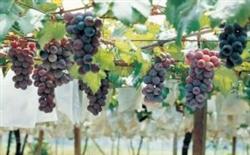
1. Timely picking in batches. Grape varieties differ, and their ripening periods are not the same either, so different measures should be taken according to different situations when picking. Ripe grapes have a glossy surface, transparent flesh, and a thick layer of bloom; they taste flavorful, and the seeds are brown. If picked too early, the acidity is too high; if picked too late, the fruit tastes bland and does not keep well for storage or transport. Therefore, picking at the right time and in batches is the key to ensuring grape quality. Picking on a sunny morning after the dew has dried is most suitable.
2. Pay attention to drought prevention and cooling. During the picking stage, if there is prolonged high temperature or rainless weather, the berries and leaves tend to shrivel, affecting plant growth and flower bud differentiation. Therefore, grass mulching between rows can be used to lower the ground temperature, and at the same time attention should be paid to timely and appropriate irrigation. Irrigation should adopt the ring-shaped trench irrigation method.
3. Apply "nourishing" fertilizer at the right time. The ripening and picking stage of grapes is exactly the second peak period of root growth, so fertilizer should be applied in time. This fertilization amount accounts for 60% of the total annual fertilization amount; manure, compost, pond mud and other organic fertilizers are best. At the same time, mix in some quick-acting fertilizers such as urea and ammonium bicarbonate. It is required to apply 3000-4000 kg of organic fertilizer per mu, mixed with 30-40 kg of urea or 100-130 kg of ammonium bicarbonate. Apply chemical fertilizer first, then organic fertilizer, then cover with soil, and irrigate promptly after fertilizing. In addition, pruning of secondary shoots should be stopped during the ripening and picking period.