-

How to Make a Weeping Willow-Style Bonsai from Tamarisk
Tamarisk, also known as Guanyin willow, also known as Xihe willow. Its trunk is not very large, with reddish stems and slender branches, and leaves as fine as silk threads, graceful and lovely. It flowers three times a year, with flower spikes 2 to 3 cun (about 6.7-10 cm) long, pink in color and shaped like smartweed flowers, hence it is also called three-spring willow. Its flowers open whenever it rains, and it is suitable for planting by water and beside ponds. If rain is coming, the tamarisk rises first to respond to it, so it is also called the rain master.
-
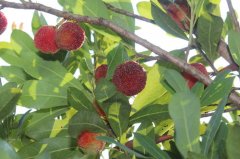
What are the characteristics and uses of the bayberry tree (Morella rubra), and how many years does it take to bear fruit when grown from seed?
In Taiwan, China, bayberry production areas are mostly found on low-elevation hillsides in the central and northern regions, and the harvest season is mostly around the Qingming Festival in spring. There are many varieties of bayberry; the main cultivated varieties include wild bayberry, button bayberry, red bayberry, pink bayberry, snow bayberry, and black bayberry. Do you know how
-
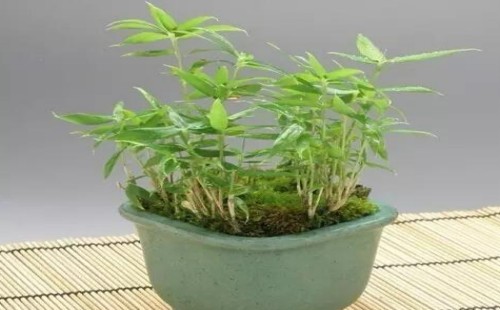
How to make a bonsai from black bamboo? A full breakdown of the detailed method
Black bamboo (Phyllostachys nigra) is a very beautiful ornamental bamboo. It can be grown as a household potted plant, and can also be used in landscaping or scenery; its beautiful figure can often be seen in many gardens. Making black bamboo into a bonsai for viewing often reflects the owner's cultivation and taste, so it is also highly sought after by scholars and literati. So
-
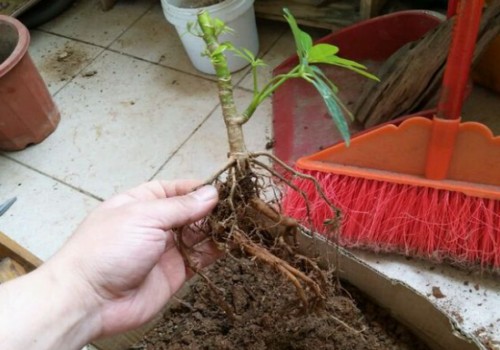
How to make a bonsai from Schefflera? A step-by-step guide to the making method
Schefflera is also called duck-foot wood or duck-palm wood. Because of its unusual leaf shape, evergreen branches and leaves, and high ornamental value, many households grow it as a potted plant. But some bonsai enthusiasts also train it into fine bonsai works for appreciation, so how is Schefflera made into a bonsai?
-
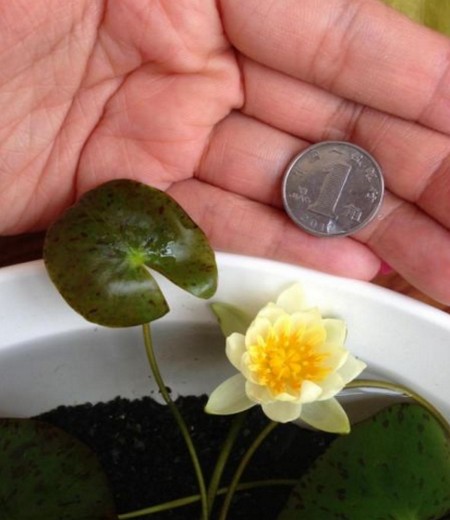
How to Grow Water Lily from Seeds? A Step-by-Step Guide to the Planting Method
Growing water lilies in home pots not only gives a refreshing feeling but also adds charm. The miniature varieties of water lilies can be used to decorate living spaces; plant them in an elegant small pot, pair it with a refined and tasteful pot stand, and place it in a suitable spot. Then this little life, with its lush green leaves, delicate flower buds
-
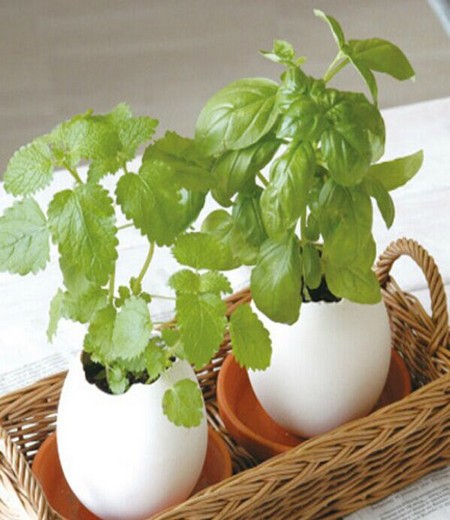
A detailed guide to plumeria planting techniques, from planting to care, all mastered
Plumeria blooms in summer, with a long flowering period, many flowers, beautiful colors, and an elegant, delicate fragrance. After the leaves fall, the bare trunk curves naturally, much like antlers adorned with beautiful spots, and its form is quite lovely. It is suitable for planting in courtyards and lawns, and can also be grown in pots for ornamental viewing. A closely related ornamental species in the same genus is the red plumeria, native to Mexico
-
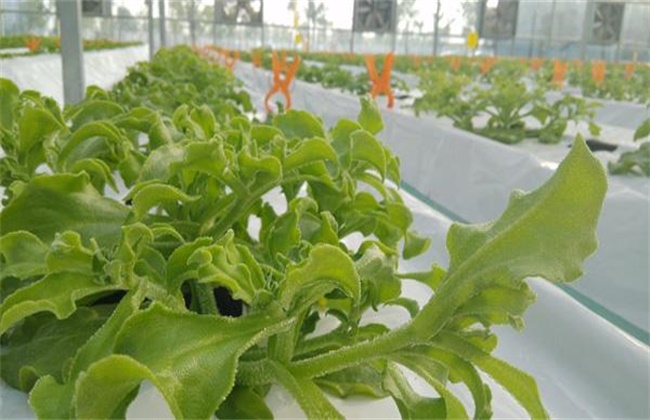
A detailed guide to mesembryanthemum planting techniques, from sowing to management
Mesembryanthemum planting techniques
-

Golden Taro Edamame Tainan Select No. 1: Performance and Advantages of a New Edamame Variety from Taiwan, China
Do you know the new edamame variety Golden Taro Edamame Tainan Select No. 1? This soybean variety is different from other soybeans, and also different from hyacinth bean cultivation. Let's take a look! Edamame Tainan Select No. 1 was bred by the Tainan District Agricultural Improvement Station in cooperation with the Asian Vegetable Research and Development Center.
-
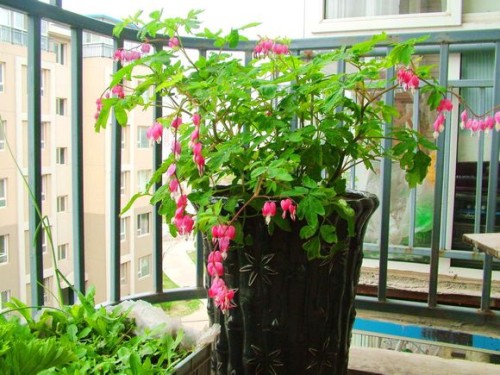
How to grow bleeding heart (Dicentra spectabilis) from seed? A detailed guide to the planting method
Bleeding heart is native to China. Because its leaves resemble those of the peony and its flower stalks bear a string of small pouch-shaped flowers, it is called "bleeding heart." It is a highly ornamental flowering plant. It is suitable for flower borders and flower beds, and can also be grown in pots, forced for early bloom, or used as a cut flower. It can also embellish rock gardens or be planted over large areas under trees.
-
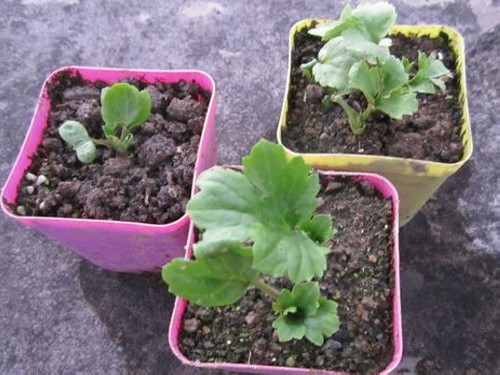
A Detailed Guide to Growing Ranunculus: The Complete Process from Sowing to Care
Ranunculus, also known as Persian buttercup or celery-leaved peony, is a perennial bulbous flower of the Ranunculaceae family. Ranunculus flowers are large and beautiful, often planted under trees, in clumps in lawns, and on the shady side of buildings; they are also suitable for cut flowers or potted cultivation.
条件筛选