-
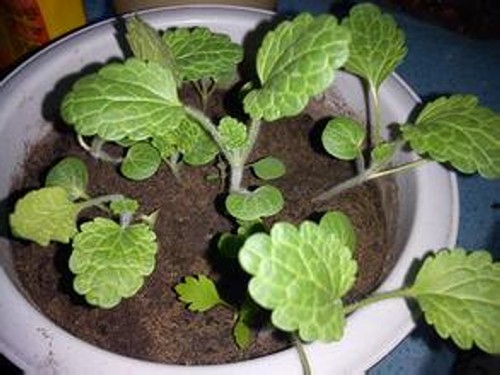
A detailed guide to growing Moluccella laevis, taking you step by step from sowing to care
Moluccella laevis, also known as shellflower or bells of Ireland, is an annual or biennial herbaceous plant in the genus Moluccella of the Lamiaceae family. It is native to western Asia. The plant grows 35100cm tall, with four-angled stems that do not branch. The leaves are opposite, heart-shaped to round, with sparsely toothed margins; the petioles are nearly as long as the leaves. The flowers are white with a lipped corolla; the nutlets are smooth
-

Taiwan Agricultural Bank's 14th anniversary wish: integrate information from all credit departments nationwide, and also build an agricultural logistics platform
They invited farmers' associations and young farmers to set up stalls in front of the bank's main entrance, and the executives even rolled up their sleeves and walked to the blood donation bus at 228 Peace Memorial Park to donate blood. The Agricultural Bank held these activities to celebrate its own 14th birthday. The birth of the Agricultural Bank began with a painful past, more than
-
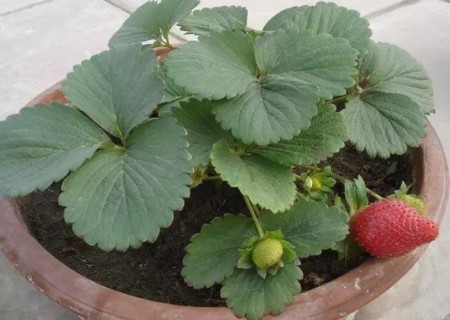
A Detailed Guide to Growing Strawberries from Seed: The Whole Process from Sowing to Seedling Emergence
Many friends have bought strawberry seeds, partly to beautify their homes, and partly to taste the joy of a harvest: to help first-time growers master the basic techniques, here is some relevant knowledge for you! At the same time, you are also welcome to share your own thoughts and experiences with everyone.
-
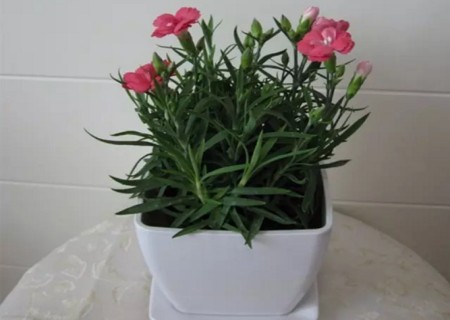
What are the methods for growing carnations from seed?
Carnation is a plant of the genus Dianthus, and it has quite a few alternative names, mainly including lion's head dianthus, musk dianthus, large-flowered dianthus, Dutch dianthus, and so on. There are many varieties of carnations on the market now, and in an indoor environment at room temperature, as long as they are cared for properly, they generally bloom continuously and are often given as flowers for Mother's Day
-
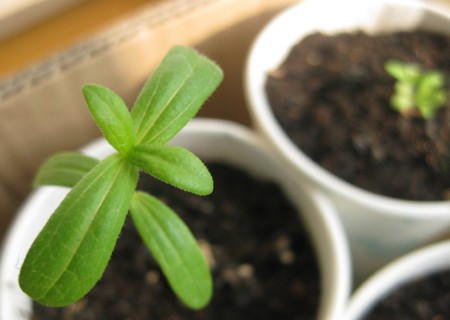
Zinnia Planting Diary: A Full Record from Sowing to Blooming
Everyone knows that the ideal temperature for zinnia seeds to sprout is between 20-25°C, and under normal conditions they will sprout 1 week after sowing. To verify this process, we are sharing a zinnia planting diary so we can all witness it together
-
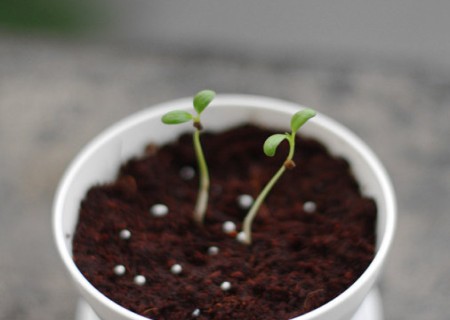
How to Grow Rosemary from Seed? Planting Methods and Precautions
These days, growing greenery at home has become a trend. Everyone is busy planting flowers, raising succulents, and even growing vegetables. Today, the editor wants to recommend to you a very useful and highly ornamental plant - herbs! Herbs not only have ornamental value, but also medicinal and culinary value. In addition, they can also be used for SPA beauty treatments.
-
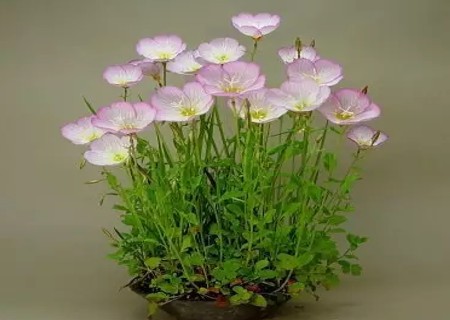
How to grow evening primrose from seed? A full guide to the planting method
Evening primrose is a flowering plant with cold, drought and poor-soil tolerance. It has high economic value and edible value, and is also highly ornamental, so many flower lovers like to grow it as a potted plant. Many growers plant evening primrose in pots, and its care and management are fairly simple
-
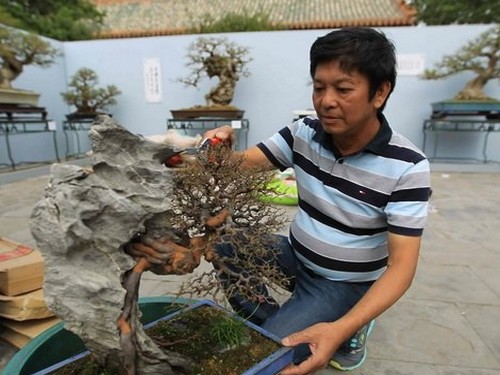
In bonsai creation, establishing the concept comes first and must be carried through from beginning to end.
The so-called establishing the concept means that before creation, after the author obtains the tree stock, or regarding the method of working the rocks and stones, based on their morphological characteristics and the features of the material itself, and combined with the author's own artistic cultivation, a general conception of the work is formed. This thinking process includes the work's outward form, size, use of branch techniques, and the design of the matching pot.
-

How to distinguish Maruten Kohaku from Tancho Kohaku
Introduction to Maruten Kohaku: When we admire Kohaku, if we see that the head of the Kohaku shows a round red patch, then we call this kind of Kohaku "Maruten Kohaku." It should be stressed here that no matter how the red patches on the body of the Kohaku appear, as long as the head forms a "maruten" red patch, it is called Maruten Kohaku.
-
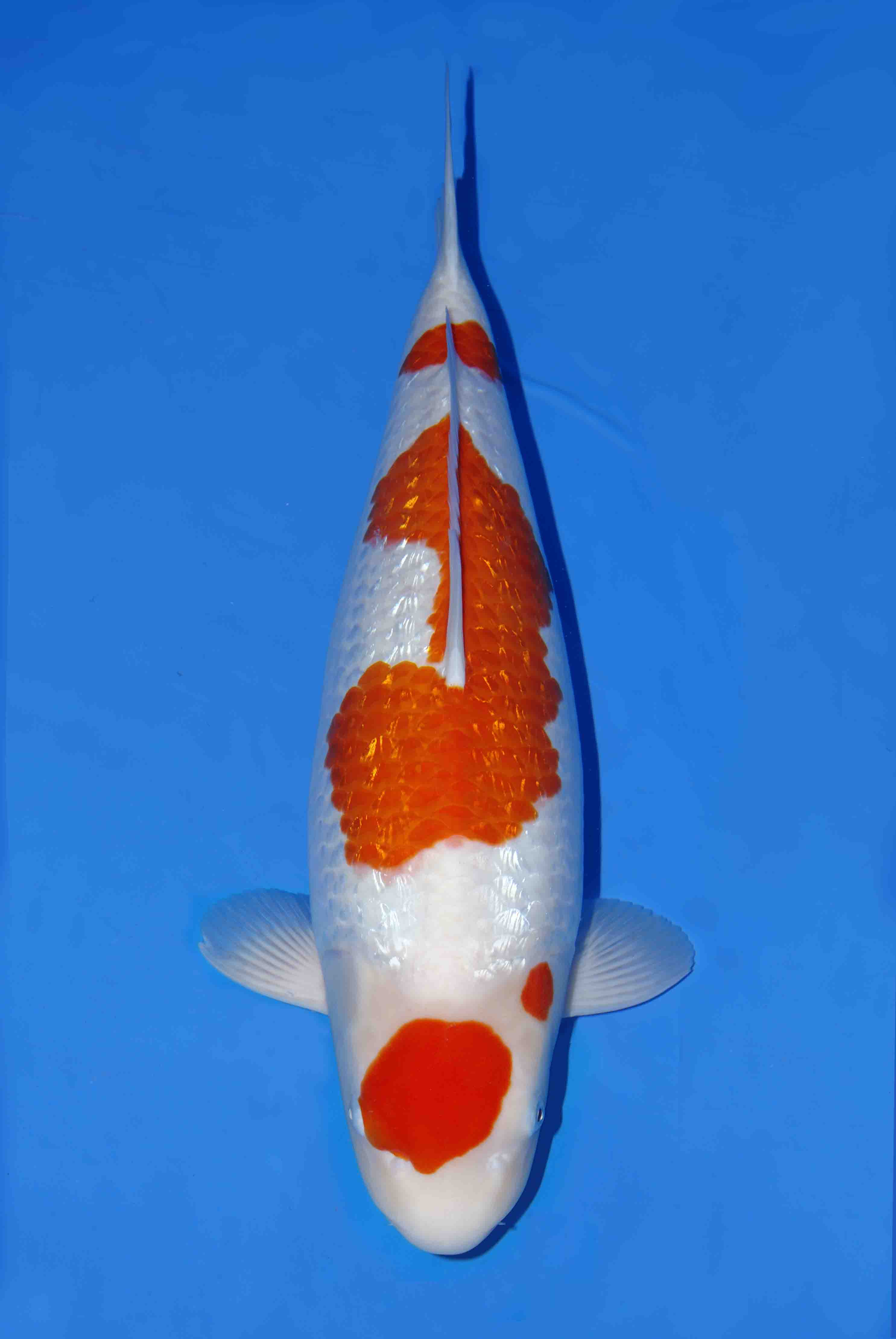
How to distinguish Ginrin Kohaku from Goshiki koi by color
Introduction to Ginrin Kohaku: The so-called Ginrin Kohaku is a Kohaku whose body has gold- or silver-metallic shiny scales. These colored scales are usually most prominent along the back, and when we look down from above, we can see their sparkle at a glance. Ginrin...
条件筛选