-
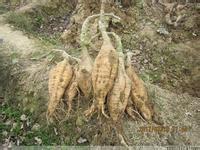
Characteristics and Artificial Cultivation Techniques of Wild Kudzu Root Explained
I. Characteristics. Kudzu root has strong adaptability, does not demand strict climate or geographical conditions, and is easy to cultivate. It is suited to a warm and humid growing environment. Kudzu root likes warmth and tolerates heat; when the average daily temperature reaches about 12°C, it begins to sprout; the suitable average daily temperature for growth is 20-33°C; 25-30°C is suitable for tuberous root formation, and 15-20°C is suitable for tuberous root...
-
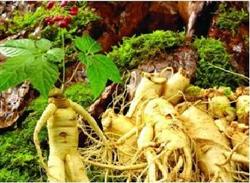
Detailed explanation of cultivation techniques for transitioning wild Panax japonicus to domestic cultivation
(1) Propagation generally uses cuttings. Take mature branches and cut them into cuttings about 15 cm long with 5-7 leaves, and insert them into a sand bed. Plant spacing is 4 cm x 10 cm. Keep the sand bed moist; roots can grow in about 20 days for transplanting. Cuttings can be taken throughout the year, but rooting is easiest in spring and autumn. In summer, choose a shady area for the seedbed...
-
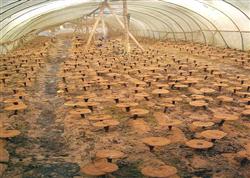
Detailed Explanation of Ganoderma (Reishi) Field Cultivation Technology with Soil Covering in a Wild-Simulated Style
China is rich in Ganoderma (reishi), and its products are exported to Japan, South Korea, Singapore, and Southeast Asian countries and regions. Especially after China's accession to the WTO, domestic product demand and export volume will rise substantially. However, in recent years, wild Ganoderma resources have been declining day by day due to massive logging of timber resources, and large-scale artificial cultivation of Ganoderma has become an urgent matter...
-
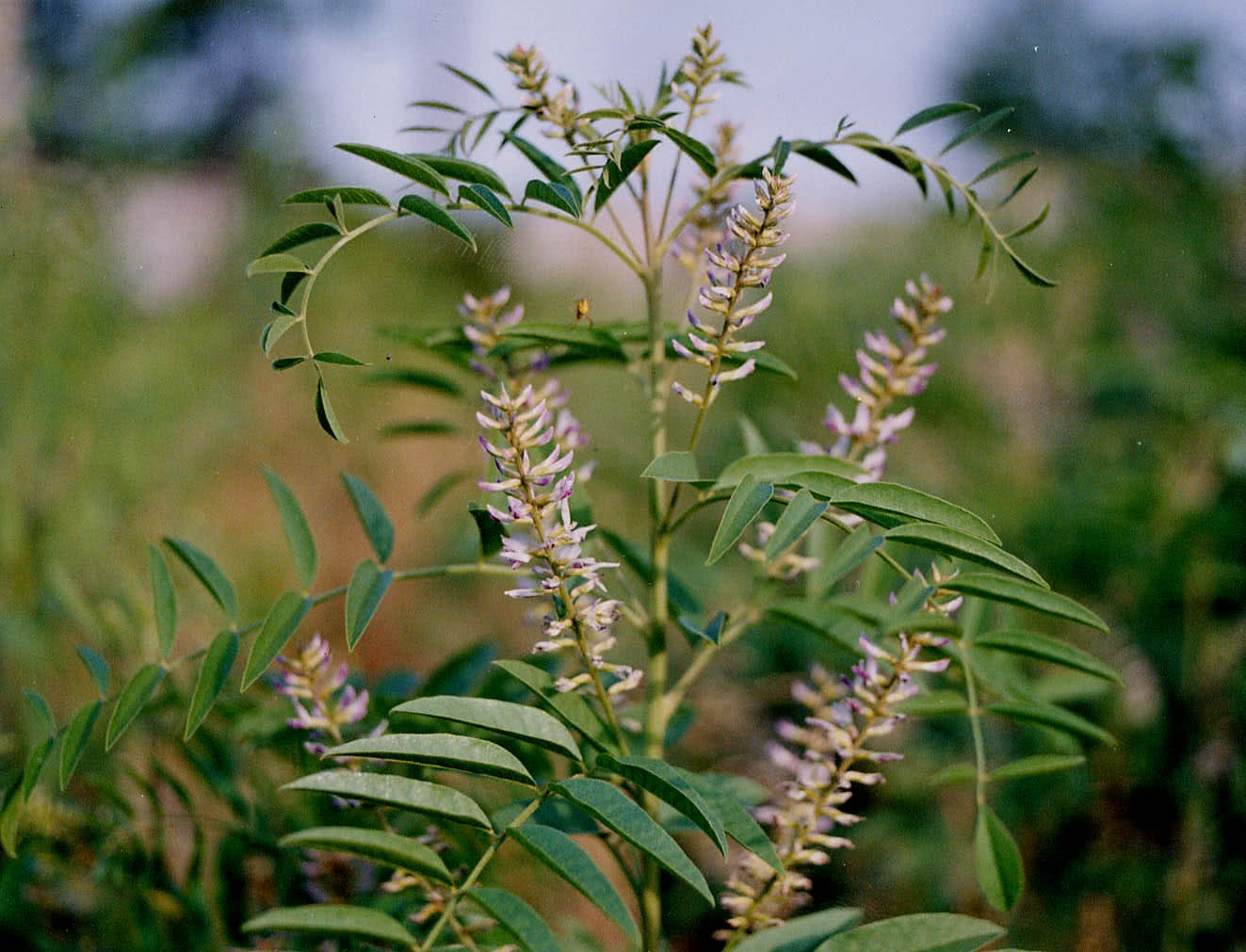
This wild grass, commonly known as the "peacemaker," can neutralize the toxins of a hundred herbs, is extremely valuable, and is nearly dug to extinction
In rural areas, it is safe to say the most common sight is all kinds of wild grasses; some can be named, while others are basically unknown to anyone. In our country's culture passed down for thousands of years, many wild grasses are treasures. In ancient times, Shennong tasted a hundred herbs, helping ancient people...
-
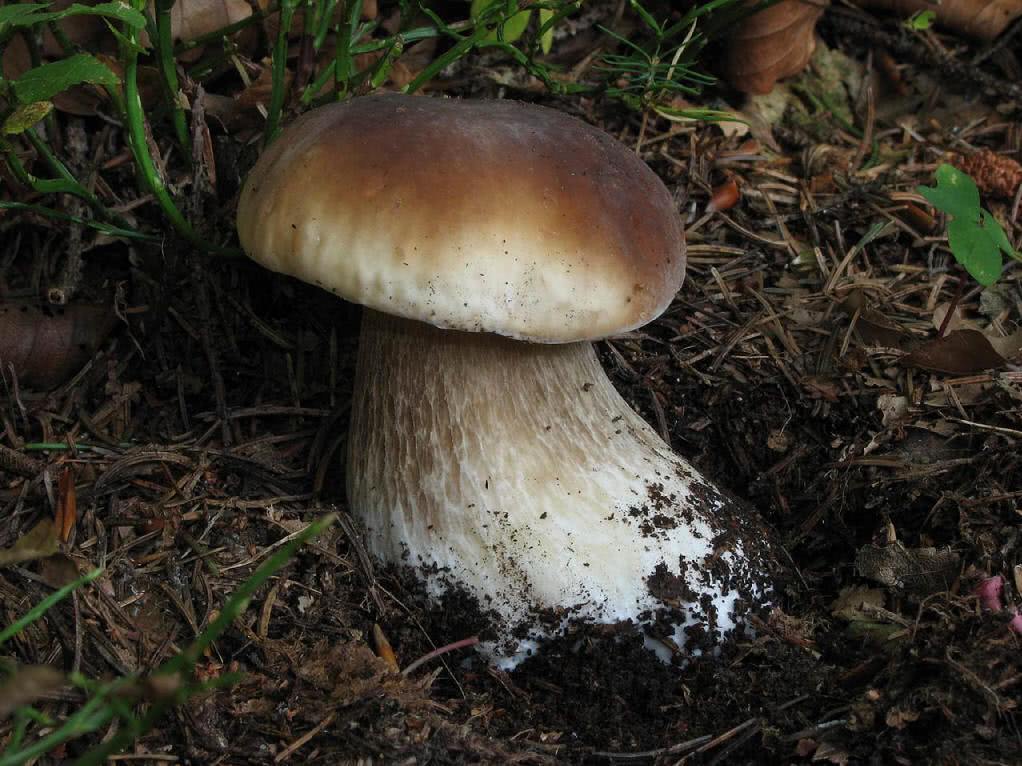
The king of July wild foods was once thought to be poisonous, now it has become a rare commodity at 75 yuan per jin
It is now mid-July, and yesterday we entered the sanfu period of this summer. For people, the current summer is very hard to endure. After all, the weather is really too hot, and going out once means getting sunburned badly, so it is better to stay in the air...
-
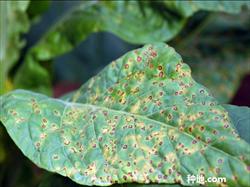
Control methods for tobacco wildfire disease and angular leaf spot
How to control tobacco wildfire disease and angular leaf spot? Tobacco wildfire disease and angular leaf spot are important diseases of tobacco. The two diseases are very similar in terms of pathogen characteristics, infection patterns and control methods. In the field, these two bacterial diseases often occur together and are relatively common in tobacco-growing areas across the country. Wildfire disease in...
-
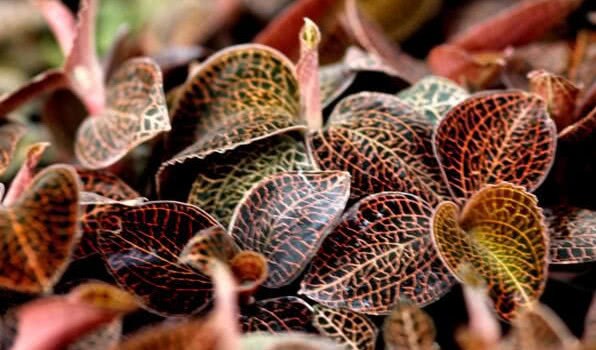
Detailed Explanation of Understory Semi-wild Cultivation Models for Anoectochilus roxburghii
In simple terms, understory semi-wild cultivation of Chinese medicinal herbs is a cultivation model based on the growth and development habits of medicinal plants and their requirements for the ecological environment, relying on forest land resources and using the appropriate shading effect of tree branches and leaves to create an environment favorable for the growth of medicinal plants...
-
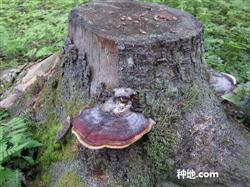
What are the common species of wild lingzhi?
What are the common wild lingzhi species? An introduction is requested. Because wild lingzhi species differ, their pharmacological effects share similarities as well as individual characteristics. Below is an introduction to the individual characteristics of different common wild lingzhi species: Pinggai lingzhi. Literature names: Shushe, Shushebian lingzhi, Bianzhi, Bianmu lingzhi, Zaojun'er, etc. Morphological characteristics: fruiting body...
-

Water spider plant once a week with it, and its branches and leaves will grow wildly; the flower shop owner says doing this is right
Spider plant, its stems are slender and drooping, evergreen all year round. Moreover, it is easy to grow and highly adaptable, and it can absorb more than 80% of harmful gases indoors, so it is very suitable for growing indoors. However, although spider plant is easy to grow, it can also...
-
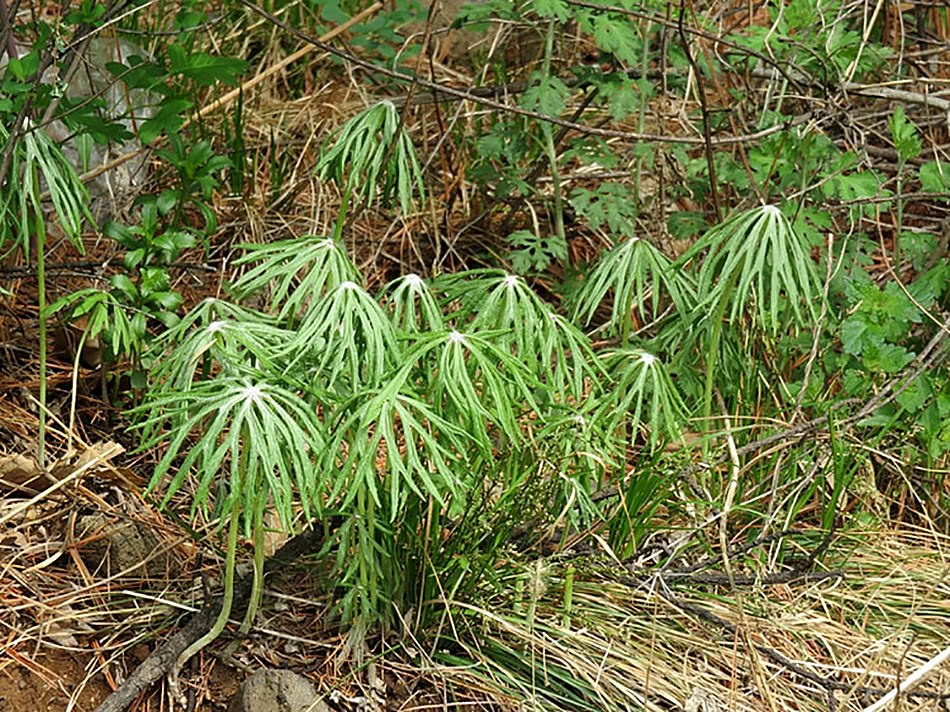
A peculiar wild grass in the mountains looks like a broken umbrella, and folk medicine uses it to treat rheumatism; its value is precious
In rural areas and the wild there are many wild plants, and there are especially many kinds of wild grasses. Whether in front of or behind the house, in the vegetable garden, by the roadside, or beside the fields, they can be seen. Many farmer friends are used to these common wild grasses and no...
条件筛选