Detailed Explanation of Understory Semi-wild Cultivation Models for Anoectochilus roxburghii
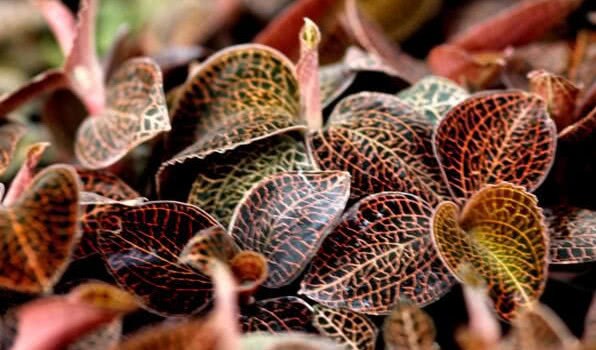
In simple terms, understory semi-wild cultivation of Chinese medicinal herbs is a cultivation model based on the growth and development habits of medicinal plants and their requirements for the ecological environment, relying on forest land resources and using the appropriate shading effect of tree branches and leaves to create an environment favorable for the growth of medicinal plants. The forms of understory semi-wild cultivation can mainly be divided into two types: understory ground cultivation and understory three-dimensional cultivation. Next, the editor will briefly explain the understory semi-wild cultivation models for Anoectochilus roxburghii.
1 Understory ground cultivation
(1) Anoectochilus roxburghii is mainly distributed in the ditch edges, rock walls and moist areas with loose soil of evergreen broad-leaved forests. For understory semi-wild cultivation, forest land, open forest land or shrub land with shady, damp, cool, low-light and excellent water and moisture conditions should be selected. The slope of the planting site should be less than 20°, with east-facing and northeast-facing slopes being preferable.
(2) Before planting, clear old branches, diseased branches, weak branches, mechanically damaged branches, weeds, miscellaneous shrubs and other debris from the forest stand, and lay 1 layer of shade netting between the trees so that the shading degree reaches 70%-80%.
(3) Level the selected site, dig trenches and make beds. The beds should be about 120 cm wide and 15-20 cm high. Dig the bed trenches and surrounding trenches well, and equip the surroundings of the planting site with corresponding bird damage and rodent damage protection facilities.
(4) Mix the cultivation substrate with decomposed cow manure or sheep manure and spread it on the bed surface. The substrate thickness should be about 10 cm. When planting, use a density of (3-5) x (3-5) cm.
(6) Choose cloudy days for thinning and replanting. When thinning, keep the superior and remove the inferior. When missing seedlings are found, replant them in time, and water promptly after replanting.
(7) After transplanting and survival, spray amino acid liquid fertilizer or Lanjunwang once every 15-20 d.
(8) In high-temperature weather, spray to cool down and increase humidity. In the rainy season, clear the drainage ditches to prevent water accumulation.
(9) The understory ground cultivation beds of Anoectochilus roxburghii are prone to weed growth and need to be cleared in time, and dead branches and fallen leaves on the shade netting should be cleaned regularly.
(10) After planting, assign dedicated personnel to guard, or install monitoring equipment and alarm systems to avoid theft.
2 Understory three-dimensional cultivation
(1) Understory three-dimensional cultivation refers to the optimized combination of plants with different physiological characteristics in the same forest land according to different spaces, thereby improving the utilization rate of natural resources such as land and light energy.
(2) For understory rack cultivation of Anoectochilus roxburghii, evergreen broad-leaved forests, coniferous and broad-leaved mixed forests or moso bamboo forests are generally selected. Lay 1 layer of shade netting between the trees so that the shading degree reaches 70%-80%. At the same time, moso bamboo is also needed to build racks 50-70 cm high, and the transplanted plug trays or planting baskets are placed on the racks.
(3) For understory hanging cultivation, evergreen broad-leaved forests or coniferous and broad-leaved mixed forests are generally selected. Nylon mesh bags are hung on the trees, and then the transplanted plug trays or planting baskets are placed inside the mesh bags.
(4) The cultivation substrate, transplanting methods, fertilizer and water management, and pest and disease control of understory three-dimensional cultivation are similar to those of understory ground cultivation, and the ventilation and drainage are relatively good
(5) Understory hanging cultivation can better prevent bird and animal damage.