What are the common species of wild lingzhi?
What are the common wild lingzhi species? An introduction is requested. Because wild lingzhi species differ, their pharmacological effects share similarities as well as individual characteristics. Below is an introduction to the individual characteristics of different common wild lingzhi species: Pinggai lingzhi. Literature names: Shushe, Shushebian lingzhi, Bianzhi, Bianmu lingzhi, Zaojun'er, etc. Morphological characteristics: fruiting body...
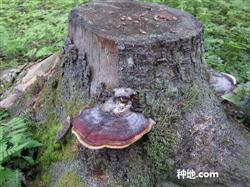
What are the common wild lingzhi species? An introduction is requested.
Because wild lingzhi species differ, their pharmacological effects share similarities as well as individual characteristics. Below is an introduction to the individual characteristics of different common wild lingzhi species:
Pinggai lingzhi
Literature names: Shushe, Shushebian lingzhi, Bianzhi, Bianmu lingzhi, Zaojun'er, etc.
Morphological characteristics: fruiting body perennial, sessile, woody, cap semicircular, nearly kidney-shaped or irregular.
Functions: slightly bitter, neutral. Anticancer; mainly treats acute and chronic hepatitis, early-stage cirrhosis, esophageal cancer, lung cancer, liver cancer, nasopharyngeal cancer, pancreatic cancer, stomach cancer, breast cancer.
Wubing chizhi
Literature names: Yuankong lingzhi, Bian lingzhi, Shuzhi, Sanxiu, Lingzhi, Wubing lingzhi, etc.
Functions: sweet and bland, slightly bitter, neutral, non-toxic. It can tonify the lungs, benefit the kidneys, harmonize the stomach, strengthen the spleen, calm the mind and stabilize the will, and support healthy qi to consolidate the foundation. In addition to having therapeutic effects on cancer, cerebral hemorrhage, and heart disease, it also has significant therapeutic effects on the gastrointestinal tract, liver, kidneys, leukemia, neurasthenia, chronic bronchitis, and more. In addition, it also has various actions and effects such as strengthening essence, reducing inflammation, relieving pain, antibacterial action, detoxification, diuresis, and blood purification, and is a natural immunomodulator with a long history.
Zizhi
Literature names: Zi lingzhi, Heizhi, Zhi, Chinese lingzhi, Muzhi, Lingzhi cao.
Morphological characteristics: fruiting body annual, stipitate, corky to woody.
Functions: bland, warm. It can tonify the middle, strengthen the intellect, calm the heart, and benefit the stomach; used for neurasthenia, insomnia, stomach pain, indigestion, and neutralizing fungal toxins; it has a certain anticancer effect, and is relatively widely cultivated artificially.
Songzhen cengkongjun
Literature names: Songmu cengkongjun, Hongyuan shushe, Songsheng cengkong, Hongyuan cengkongjun.
Morphological characteristics: fruiting body perennial, corky, sessile, cap flatly hemispherical to horseshoe-shaped. The fruiting body contains active substances such as eburicoic acid and is the variety with the best cancer-treatment effect among all fungi. The fruiting body extract has an inhibition rate of nearly 100% against mouse sarcoma 180 and Ehrlich ascites carcinoma. Recorded on page 73 of "Color Atlas of Chinese Macrofungi."
Tropical lingzhi
Literature names: Lingzhi cao, Lingzhi gu, Hongzhi, Xiangsi lingzhi.
Morphological characteristics: fruiting body annual, stipitate, corky, cap kidney-shaped, semicircular with a posterior margin, sometimes circular.
Functions: taste slightly bitter, nature neutral, nourishing, strengthening, antitumor; mainly treats tumors and coronary heart disease.
Baogai lingzhi
Literature name: Baoshu zhi.
Functions: functions are the same as chizhi, more effective for the immune system, with special effects on lupus erythematosus, muscular dystrophy, scleroderma, muscular atrophy, myositis, etc.; even more precious.
Lujiao zhi
Literature names: Anbeina lingzhi, Nilujiao zhi, Lingzhi.
Morphological characteristics: fruiting body annual, stipitate, corky.
Functions: can nourish, strengthen the body, benefit the brain, reduce inflammation, promote diuresis, and benefit the stomach. Used for neurasthenia, palpitations and dizziness, restless sleep at night, chronic hepatitis, bronchitis, asthma, long-standing stomach disease, poisoning from accidental ingestion of toxic fungi, coronary heart disease, and other conditions.
Banhe kongjun
Literature name: Cengwo kongjun.
Morphological characteristics: fruiting body perennial, without a cap, resupinate and appressed to the surface of the substrate.
Nature, flavor, and functions: abrupt, warm. It can invigorate blood and unblock menstruation, remove blood stasis, and relieve pain. Used for heart pain (angina pectoris), arrhythmia, as well as blood stasis amenorrhea, dysmenorrhea, irregular menstruation, and abdominal masses. Its effect in treating coronary heart disease is very good. Banhe kongjun has effects such as resisting myocardial ischemia, regulating heart rhythm, resisting ectopic heart rhythm, improving cardiac function, lowering blood pressure, changing blood flow, and regulating peripheral blood white blood cell counts. It can be used to treat coronary heart disease and arrhythmia, and is very precious.
Chizhi
Literature names: Danzhi, Hongzhi, Xue lingzhi, Chaohong lingzhi, Lingzhi bei, Sanxiu, Wannian xun, Jixiang xun, etc.
Morphological characteristics: fruiting body annual, stipitate, corky, cap kidney-shaped, semicircular, rarely nearly circular; this species has a short growth period and is widely artificially cultivated in China.
Functions: sweet and bland, slightly bitter, neutral, non-toxic; enters the heart, liver, spleen, lung, and kidney meridians. It can tonify the lungs, benefit the kidneys, harmonize the stomach, strengthen the spleen, calm the mind and stabilize the will, and support healthy qi to consolidate the foundation.
Click to view more lingzhi cultivation techniques
Click to view more medicinal herb cultivation techniques