This wild grass, commonly known as the "peacemaker," can neutralize the toxins of a hundred herbs, is extremely valuable, and is nearly dug to extinction
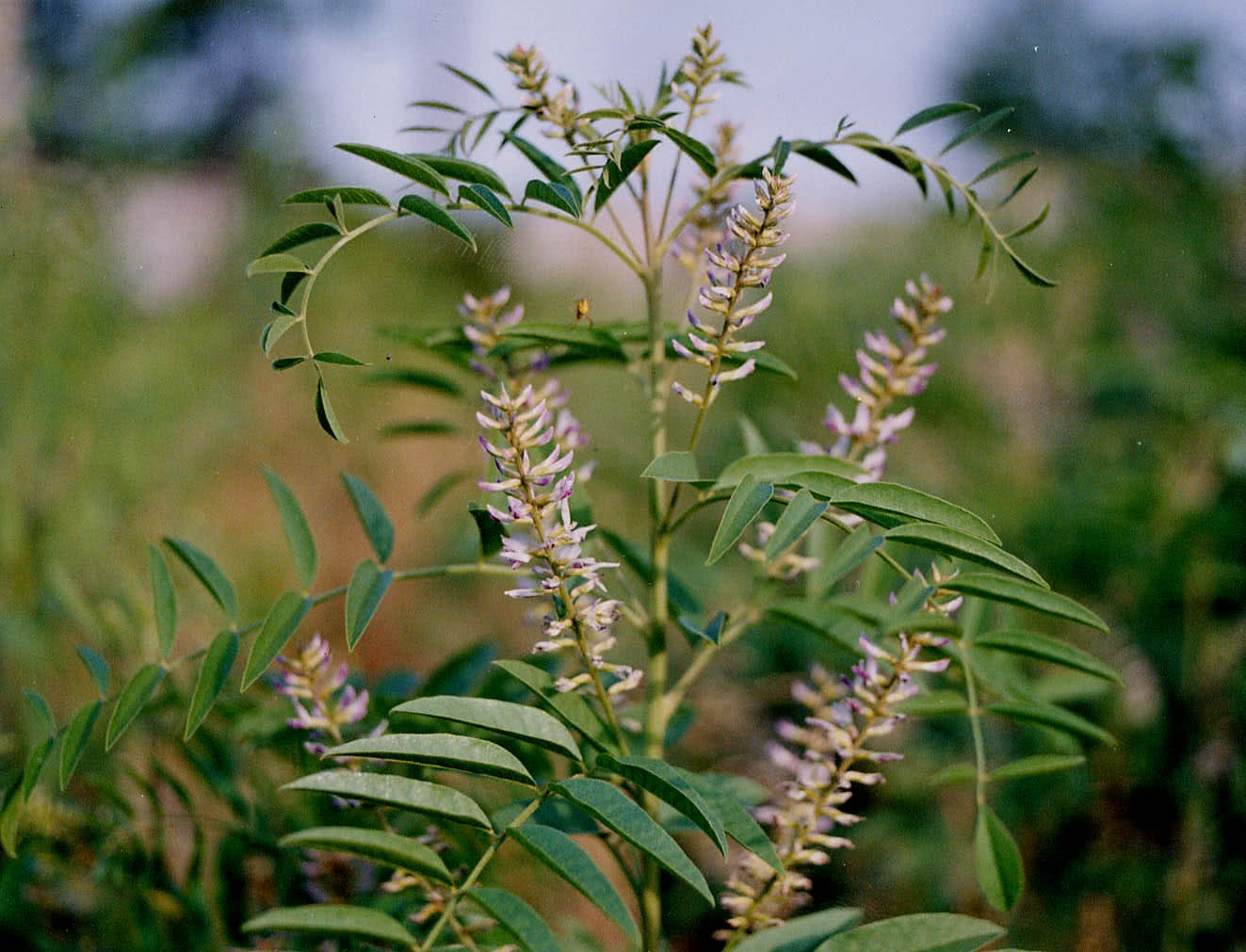
In rural areas, it is safe to say the most common sight is all kinds of wild grasses; some can be named, while others are basically unknown to anyone. In our country's culture passed down for thousands of years, many wild grasses are treasures. In ancient times, Shennong tasted a hundred herbs, helping ancient people understand the uses of wild grasses. Under the limited medical conditions of ancient times, people could only rely on wild grasses to save lives. Among the many wild grasses, the ancients divided them into three grades according to their different medicinal properties: upper grade, middle grade, and lower grade. Among them, there is one wild grass that has long been known among the people as the "peacemaker." It is also an upper-grade Chinese medicine, and because it is extremely valuable, the wild ones are nearly dug to extinction.
Many people have used this medicinal herb; it is called "licorice" (Glycyrrhiza uralensis). Why is it called the "peacemaker"? Ancient books say: "Licorice is extremely sweet in taste, has the nature of harmonizing and neutralizing, and has the function of regulating and tonifying." This means that when licorice is combined with other medicinal materials, it can neutralize their medicinal properties. For example, when combined with potent medicinal materials, it can make the medicinal effect less intense; when combined with bitter medicines, it can mask the bitterness. It can be said to "harmonize all medicines," so licorice appears in many modern prescriptions.
Moreover, licorice was believed in ancient times to neutralize the toxins of a hundred herbs. In the "Shennong Bencao Jing," licorice is described as follows: "It treats seventy-two kinds of mineral stone toxins and neutralizes one thousand two hundred kinds of plant and wood toxins." Whether this is true or false cannot be verified now, but according to modern medical research, licorice contains a substance called "glycyrrhizin," which has an effect similar to "adrenaline" in Western medicine. Therefore, there is still a certain basis for saying that licorice can neutralize the toxins of plants and woods. However, medication still requires caution; please consult a doctor before use.
It is precisely because of the extensive use of licorice that the licorice once growing in large quantities in the northwest region is now scarce in the wild. Because wild licorice has excellent medicinal effects, some people, for their own selfish interests, dug up large amounts of wild licorice, which not only damaged the environment but also made wild licorice hard to find on the market. Now most licorice is artificially cultivated, and the price is not cheap either, reaching more than ten yuan per jin.
Dear readers, have you ever seen licorice growing in the wild? Its flowers are purple and look very beautiful. If you see it, please cherish it.