-
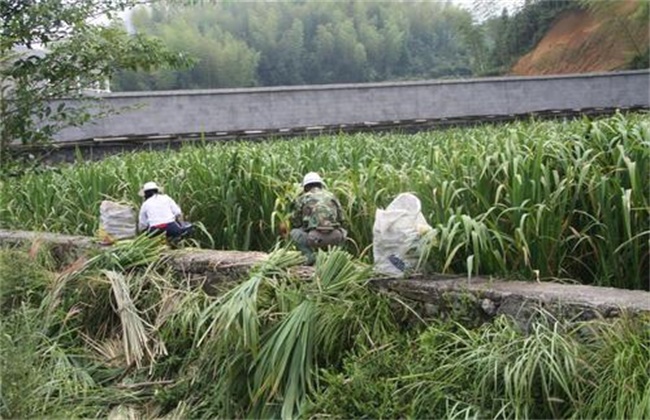
Detailed Explanation of Key Cultivation Techniques for Cold-Water Wild Rice Stem
Cultivation Techniques for Cold-Water Wild Rice Stem
-
-
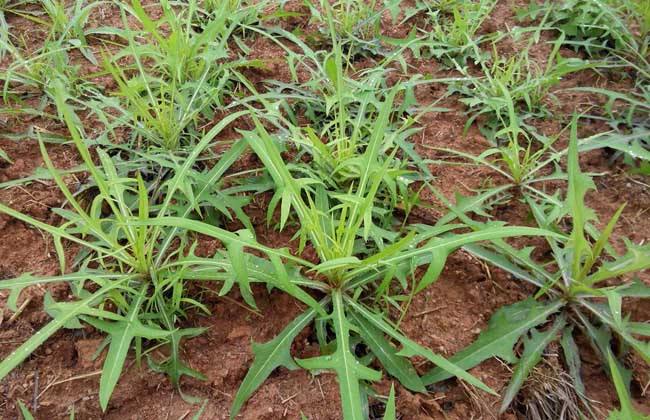
What Are the Prospects for Wild Vegetable Cultivation? Market Potential and Development Space Analysis
What Are the Prospects for Wild Vegetable Cultivation?
-
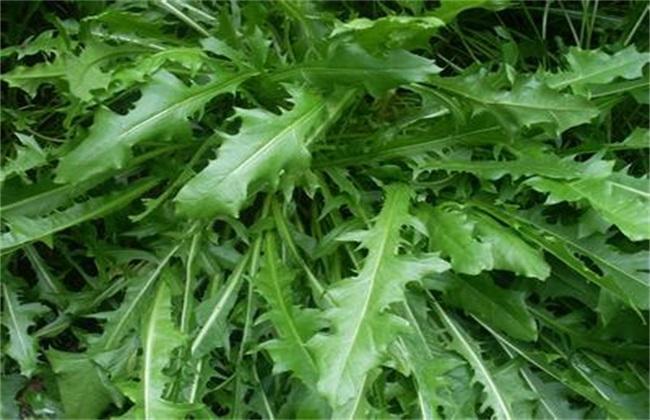
A detailed explanation of precautions for growing wild vegetables: don't overlook these key points
Precautions for growing wild vegetables
-

Detailed Explanation of Key Techniques for High-Benefit Cultivation of Wild Mountain Pepper
Wild mountain pepper, commonly known as pointing-to-heaven pepper, is mainly used as a seasoning for cooking and side dishes, and as a condiment for spicy non-staple foods. Wild mountain pepper can be eaten fresh or dried, and can also be processed into canned food. In recent years, canned green peppers have been in high market demand and in short supply. Growing wild mountain pepper requires low investment, gives high yields, and has broad market channels, generally yielding 150-2000 kg per mu. Selection of seedling site: choose a plot that is sheltered from wind and faces the sun, with relatively high terrain, convenient drainage and irrigation, close to the main field, and with relatively high soil fertility, and the selected
-
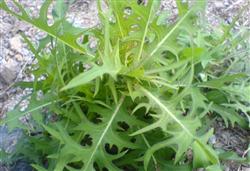
Detailed Explanation of Cultivation Techniques and Comprehensive Utilization Methods of Wild Lettuce
Wild lettuce, also known as mountain lettuce, bitter chicory, and duck feed, is a herbaceous plant of the Asteraceae family, growing by roadsides, in wilderness, and on hillsides. Its seedlings and tender stems and leaves are suitable for eating, and it is a wild vegetable with development value. 1 Botanical characteristics and biological traits: A biennial herbaceous plant, with white milky sap, 80-150 cm tall. Stem erect,...
-
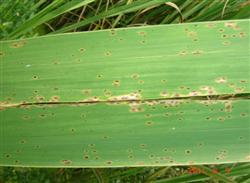
Jiaobai (wild rice stem) is prone to Helminthosporium leaf spot disease under high-temperature and high-humidity weather
Jiaobai Helminthosporium leaf spot is a fungal disease. In recent years, as the jiaobai planting area has continued to increase, the scope of occurrence of this disease has gradually expanded, and the severity has become increasingly worse. This disease can occur throughout the entire growth period of jiaobai. It mainly damages the leaves. In the early stage, small yellow-brown spots appear on the leaves, which later expand into brown spots the size of sesame seeds, with a few forming...
-
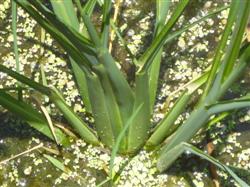
What causes wild rice stem to turn male? Here's how to prevent male wild rice stem
During the cultivation of wild rice stem, plants often emerge that bolt and produce flower stems instead of forming wild rice stem; these are called "male wild rice stem" or "strong wild rice stem". Wild rice stem forms after the plant is infected by the smut fungus, loses the ability to bolt, flower and set seed, and its flower stem swells. The spread of the smut fungus is mainly from the previous year's...
-
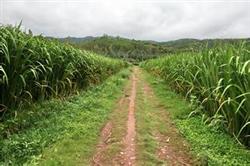
Detailed Explanation of Key Overwintering Management Techniques for Wild Rice Stem
Wild rice stem (Zizania latifolia) is a warmth-loving plant that reproduces asexually through tillering and division. Its optimum growth temperature is 10-25°C, and it is not tolerant of cold or of high-temperature drought. The frost-free period in cultivation areas must be more than 150 days. After frost, the wild rice stem leaves wither and die, and during dormancy it can withstand low temperatures of -10°C. In northern China, where the frost-free period is short, single-harvest wild rice stem is mainly planted. Single-harvest wild rice stem is suitable...
-

条件筛选