-
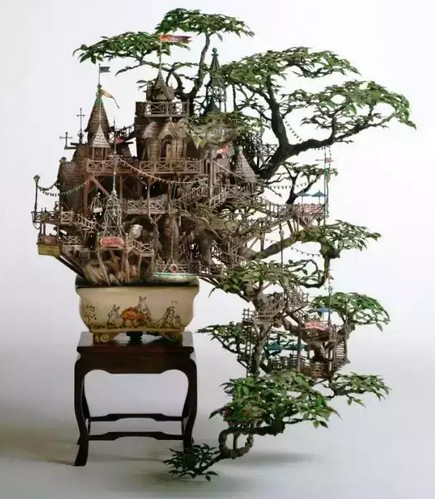
The Sichuan style of penjing is an important school of Chinese penjing art
Penjing is an art form that uses plants and rocks as its basic materials to present natural landscapes within a pot, and is called a three-dimensional painting and a silent poem. Chinese penjing originated from potted plants 7000 years ago; by the Han Dynasty, the "foujing" (pot landscape) appeared; during the Northern and Southern Dynasties, landscape penjing began to emerge; and by the Tang Dynasty, it shifted toward poetic and picturesque expression
-
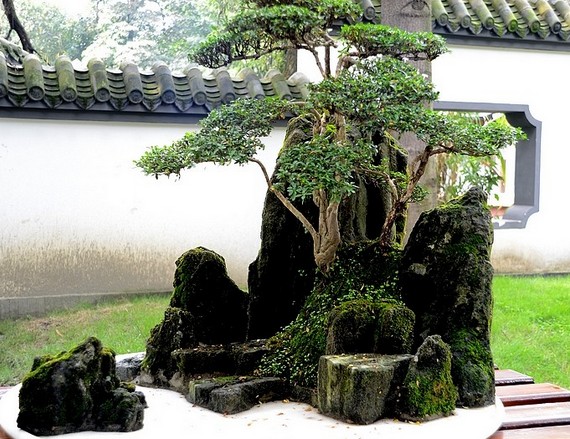
Why is the Sichuan-style bonsai rooted in the mountains and rivers of Sichuan?
Sichuan-style bonsai is one of the five major schools of traditional Chinese bonsai, deeply rooted in the majestic and beautiful mountains and rivers of Sichuan. The bonsai-making techniques represented by the Chengdu region are the foundation and core of Sichuan-style bonsai-making techniques. Sichuan-style bonsai has a long history, profound cultural heritage, exquisite craftsmanship, and strong local characteristics.
-
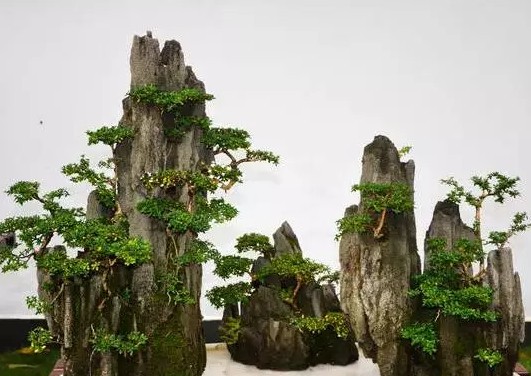
What are the characteristics of the Sichuan-style bonsai art style?
Sichuan-style bonsai, also known as Jiannan bonsai, is an outstanding traditional art of the Han ethnic group, a treasure among garden arts, a bonsai art school named after Sichuan Province, and one of the five major schools of Chinese bonsai. It is further divided into two local styles, western Sichuan and eastern Sichuan, and is known for being quaint and rigorous, gnarled and varied in form.
-
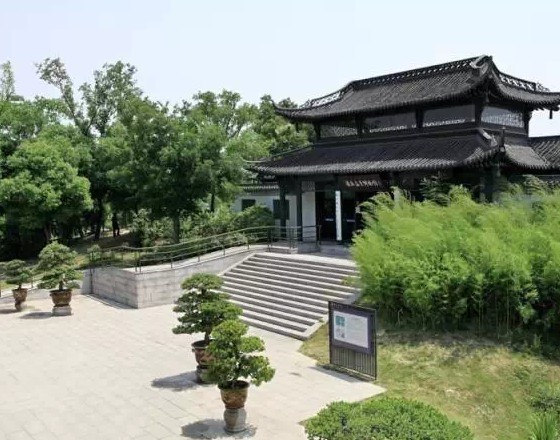
Introduction to the Bonsai Garden of the Yangzhou-Style Bonsai Museum
The Bonsai Garden of the Yangzhou-Style Bonsai Museum is located in the Slender West Lake Scenic Area, integrating functions of collection, exhibition, popularization and research, covering an area of over 40 mu. Yangzhou-style bonsai is one of the five major schools in China, and its craftsmanship of "one cun (one cun is 82.5px) with three bends" is truly unmatched in the world.
-
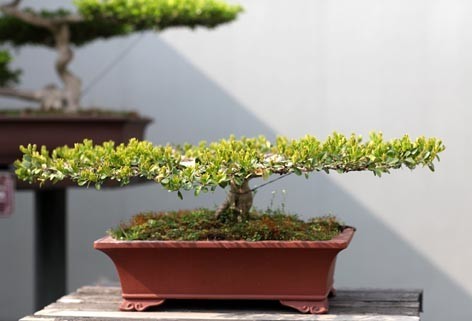
How should Yangzhou-style bonsai works be protected?
The Yangzhou Yangpai Bonsai Museum in Yangzhou, China, houses a collection of ancient surviving bonsai works. They are living artifacts; despite centuries of change, they still maintain their original vibrant form, which is likewise inseparable from the use of Yangpai bonsai techniques for maintenance, management and re-creation.
-
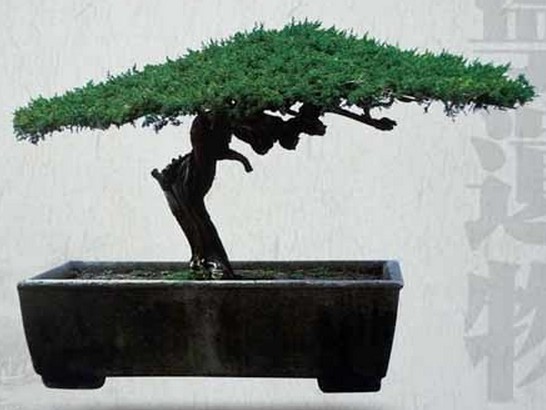
How precious is Yangzhou-style penjing? Appreciation of antique works from the Ming and Qing dynasties
In the Qing dynasty, family-style penjing workshops had already appeared in Yangzhou. In the 1950s and 1960s, the Yangzhou landscaping department collected penjing from among the people, and successively collected 24 penjing from the Ming and Qing dynasties. These living artifacts have now become important collections of today's Yangzhou-style Penjing Museum. 1. Late Ming dynasty Chinese juniper, a relic of Yangzhou Tianning Temple
-
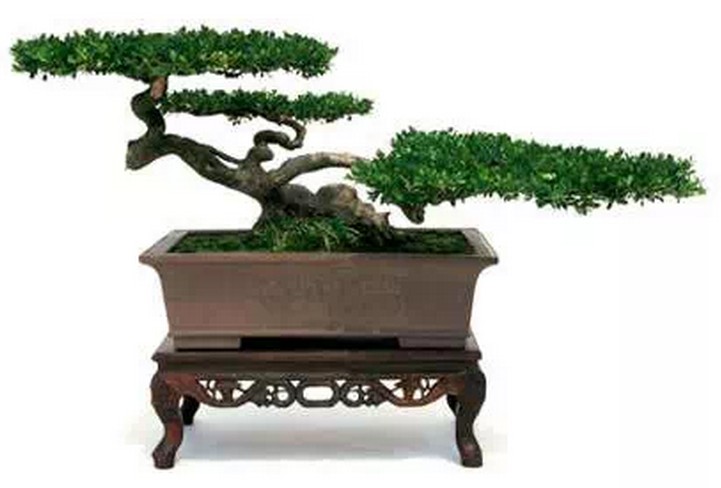
Historical Origins of the Formation of the Yangzhou-style Bonsai Art
The Yangzhou-style bonsai art took shape in the Ming Dynasty and matured in the Qing Dynasty. Drawing materials from nature and learning from the creator, it absorbed traditional Chinese humanistic values and aesthetic ideas, blending poetry, calligraphy, painting and technique into one. With a style that is delicate, elegant, graceful and expressive, and with the pruning and binding craft of "careful binding and fine pruning" and "one inch, three bends," it carries on the lineage of Chinese bonsai art
-
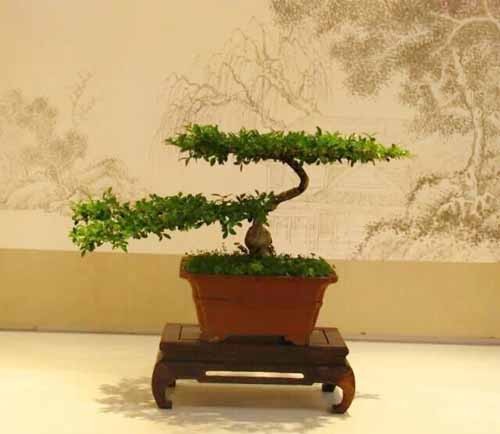
What are the finer points of the Yangzhou-style bonsai creation technique?
Yangzhou-style bonsai follows the Chinese painting principle that "no branch is straight for even an inch," using coir fiber for bending and shaping, and demanding precise tying and fine pruning. Every branch in the "cloud pads" is tied into very fine, dense serpentine curves; in the densest cases, each cun of branch can hold three bends, and every leaf lies flat yet facing upward, standing parallel, known as "three bends per cun."
-
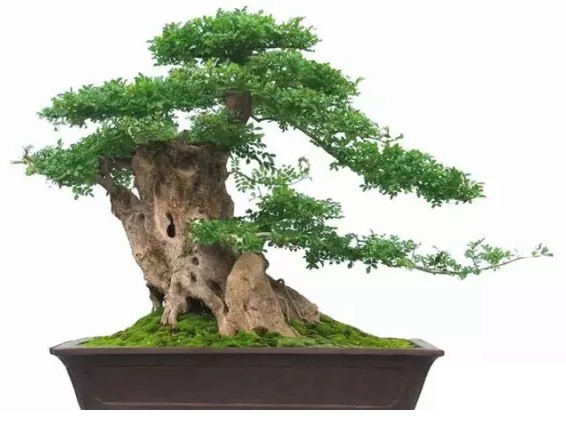
What is Yangzhou-style penjing? Learn its main characteristics in one article
Yangzhou-style penjing is one of the outstanding traditional arts of the Han Chinese and one of the five major schools of Chinese penjing. It began in the Tang Dynasty and is a penjing art school named after Yangzhou City, Jiangsu Province. Its crafting technique of one cun (one cun is 3.3 cm) with three bends can be said to be unmatched in the world. In order to better protect this special set of penjing-making techniques,
-
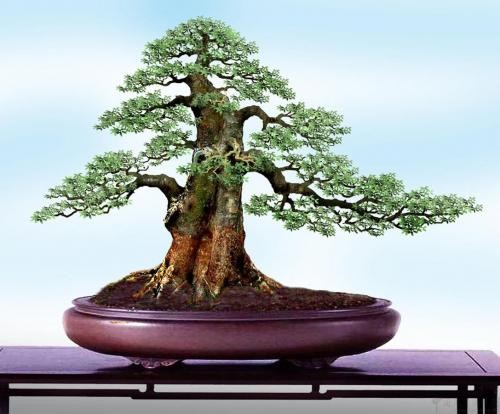
What are the basic characteristics and main values of Suzhou-style bonsai?
Bonsai making in Suzhou has developed since the Ming Dynasty and gone through hundreds of years of vicissitudes. The most prominent feature of Suzhou-style bonsai's shaping techniques is the high degree of integration of art and science. It incorporates the theoretical foundations of literature and fine arts, takes the painting principles of the "Wu School" as the theoretical basis for creation, and especially, under the artistic influence of Wu culture
条件筛选