-
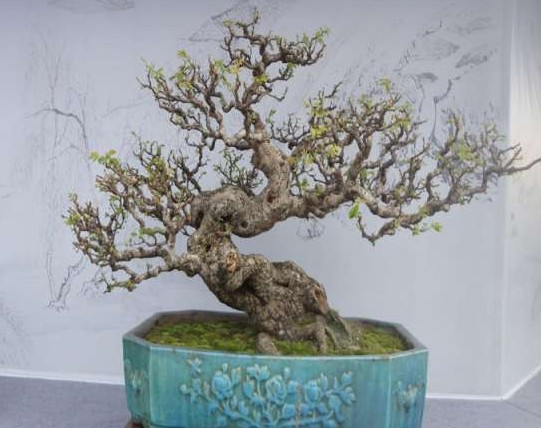
Yang-style bonsai technique inscribed on the national intangible cultural heritage list
Yang-style bonsai is one of the five major schools of Chinese tree-stump bonsai. It has a long history and the most distinctive characteristics. Compared with the Sichuan, Suzhou, Lingnan and Shanghai schools, its ancient pruning-and-binding technique is also the most completely preserved. In June 2008, Yang-style bonsai technique was inscribed on the national intangible cultural heritage list
-
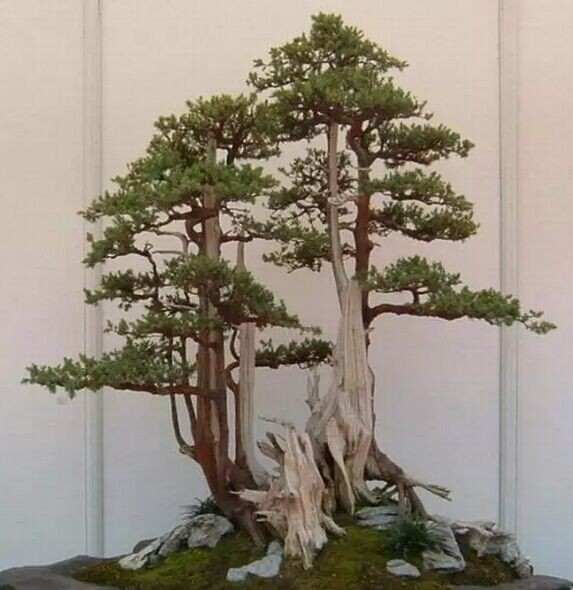
Detailed Explanation of the Unique Styling Structure of Suzhou-Style Penjing
Suzhou is situated on the shore of Taihu Lake, with clear waters and verdant hills, picturesque scenery, a humid climate and abundant rainfall. The variety of plants available here for making penjing is extremely rich. Suzhou also abounds in various rocks suitable for landscape penjing, such as the exquisitely intricate Taihu stone, Kunshan white stone, Suzhou yellow stone and so on.
-
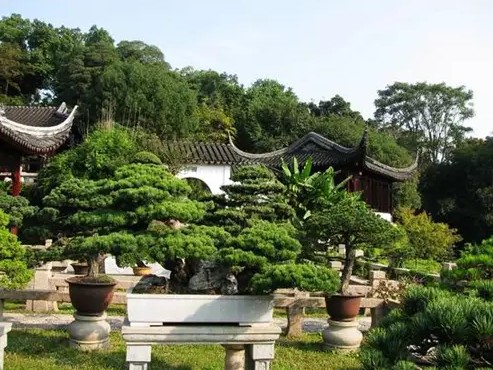
Innovative development of Su-style bonsai craftsmanship brooks no delay
At present, the inheritance methods of Su-style bonsai craftsmanship are relatively limited, and the number of inheritors is also very small. For example, one provincial-level and two municipal-level representative inheritors each have only one apprentice, and even this is unstable. Therefore, in addition to continuing to give play to the role of professional bonsai workers in scientific research and innovation
-

Su-style penjing art exhibition opens, Ji Peilong's works on display
On the morning of June 11, jointly hosted by the Changshu Municipal Culture, Radio, Television, Press and Publication Bureau and the Dongbang Town People's Government, and organized by the Changshu Library and the Ji Peilong Penjing Art Studio, "True Feelings Within the Scenery - Ji Peilong Su-style Penjing Art Exhibition" opened at the Changshu Library. Changshu has a long history of flower and tree cultivation and penjing art. According to relevant materials
-
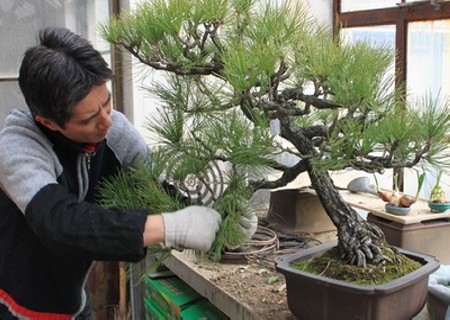
Detailed Tutorial on How to Create Shanghai-Style Bonsai
Everyone knows that if we want to do anything well, we cannot act blindly; we must think it through carefully before proceeding, so that we can achieve twice the result with half the effort. Otherwise, haste makes waste. Take bonsai creation, for example. To create a successful and satisfying work, besides doing the preparatory work in advance
-
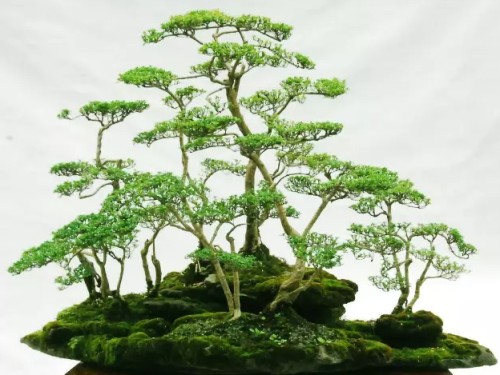
What are the production techniques of Sichuan-style bonsai? A detailed explanation
Sichuan-style bonsai is one of the five major traditional bonsai schools in China, deeply rooted in the majestic and beautiful landscapes of Sichuan. The bonsai production techniques represented by the Chengdu area are the foundation and core of Sichuan-style bonsai production techniques. Bonsai artists of Sichuan devote themselves to understanding the way, carefully observe, and their production techniques
-
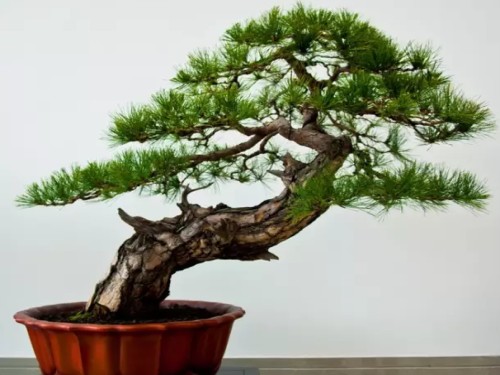
What are the crafting techniques of Su-style penjing?
Suzhou is located on the shore of Taihu Lake, with green mountains and beautiful waters, and the scenery is magnificent. Moreover, the climate is humid and the rainfall is abundant, so the variety of plants available here for making penjing is extremely rich. Suzhou is also rich in various kinds of rocks suitable for landscape penjing, such as the exquisitely perforated Taihu stone, Kunshan white stone, Suzhou yellow stone, and so on.
-
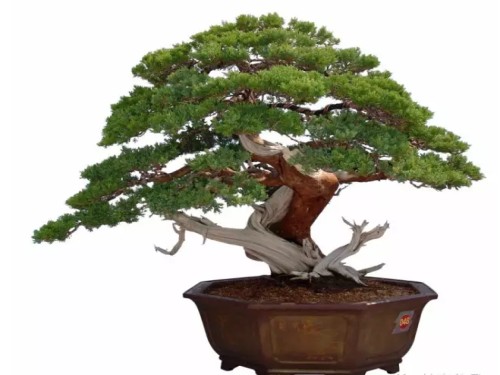
A Detailed Explanation of the Techniques and Skills of Lingnan-Style Penjing
In creating Lingnan penjing, materials are mostly sourced locally, using subtropical and tropical evergreen fine-leaved tree species, generally based on tree stumps that Guangzhou people call "shu zai tou" (little tree heads), with as many as several dozen varieties. Lingnan penjing is one of the outstanding traditional arts of the Han people and a treasure of garden art. Lingnan people, especially those from Guangzhou, are passionately fond of penjing.
-
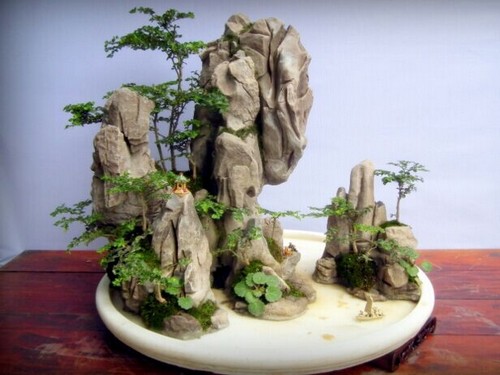
The Style, Layout and Styling Characteristics of Sichuan-Style Bonsai Art
A long history and favourable natural conditions have driven the continuous development of bonsai art, while the splendid Ba-Shu culture and the region's uniquely rich natural materials gave birth to today's distinctive Sichuan-style bonsai art. A stylistic approach that pursues nature and combines form with spirit: Sichuan-style bonsai styling comes from life, yet rises above life
-
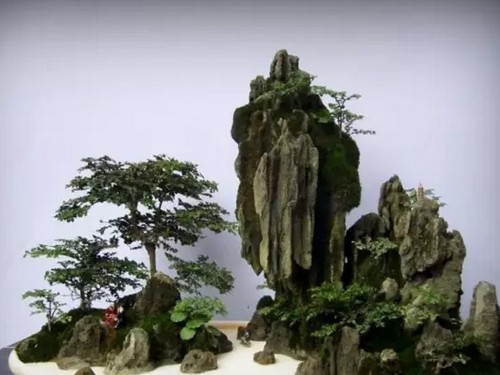
What are the historical origins of Sichuan-style bonsai art?
Sichuan has a suitable climate, dense vegetation, abundant resources, and outstanding people; since ancient times it has enjoyed the reputation of the "Land of Abundance," providing the conditions for bonsai development. Sichuan bonsai is a bonsai art school named after its region; it originated in the Five Dynasties period and has a long history. Sichuan bonsai is roughly divided into two artistic styles: western Sichuan and eastern Sichuan
条件筛选