-

-
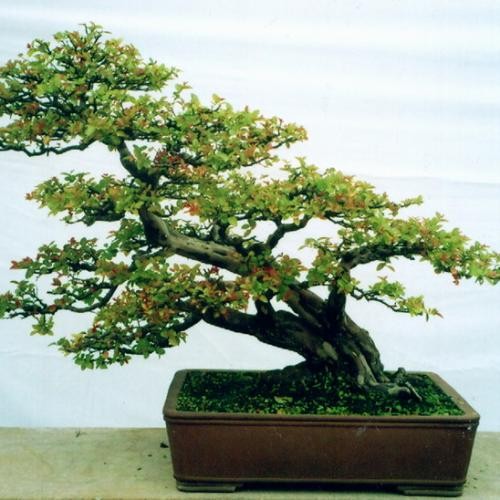
A Detailed Explanation of the Styling Methods and Techniques for the Cascade-on-the-Ground Style of Bonsai
The cascade-on-the-ground style and the slanting style are related; the so-called kinship only refers to the related effect of one following on after another. If a slanted tree cannot be fixed and stabilized, it will eventually topple over completely because of loss of balance. In woodland areas, large trees of this kind of form are generally commonly seen lying across the ground. Speaking of this, I would like to talk about a digression.
-
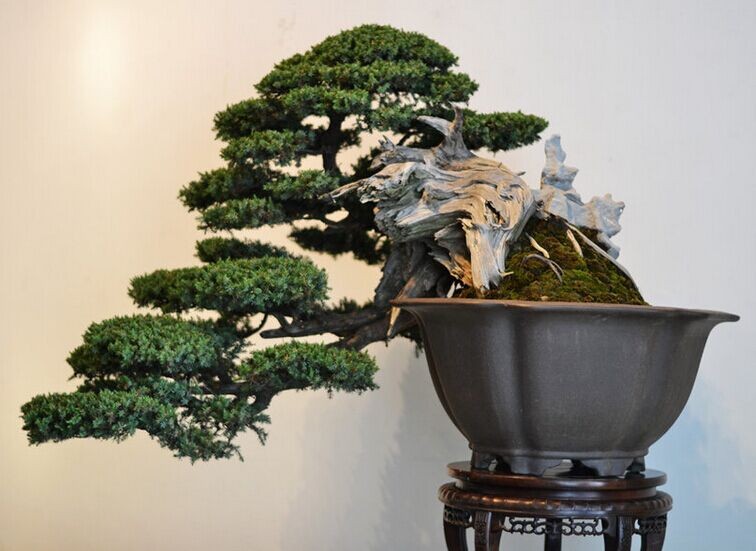
Detailed Explanation of the Shaping Techniques and Methods for Cascade-Style Bonsai
Cascade style can be considered the style that bonsai artists favor most in the bonsai world, yet they often find their ability falling short of their wishes, finding it difficult to express the unique character of cascade forms in nature. What is the reason? Based on my personal exploration over many years, the main reason ordinary artists rarely produce even one or two fine pieces is none other than their reliance on excavating natural material.
-
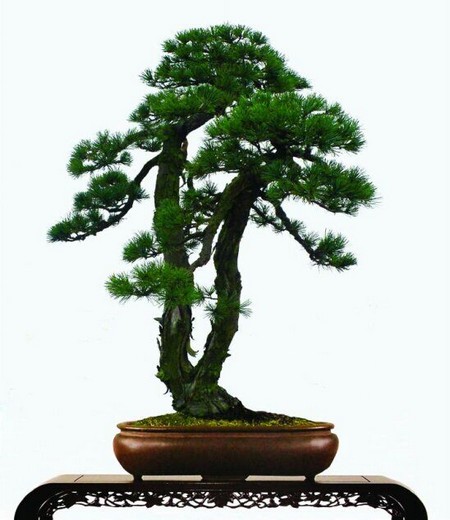
How to shape a pine bonsai in the tall-trunk weeping-branch style? Detailed practical tips
When we walk into the Wenzhou Bonsai Garden on Jiangxin Island, we are soon amazed and filled with admiration by the bonsai of varied shapes, fresh and graceful composition, and scenery that balances movement and stillness. Especially those tall-trunk weeping-branch style pine bonsai, revealing the great in the small, fully displaying the uprightness and vigour of the pine
-
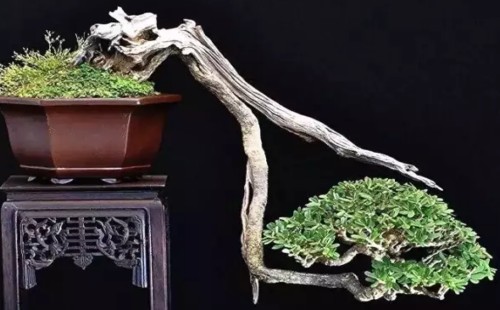
How to Bend a Cascade-Style Bonsai? A Detailed Guide to Shaping Methods
Cascade-style bonsai generally refers to stump bonsai shaped in the cascade style. Because the stump's form is peculiar and precipitous, and the creative techniques are flexible and varied, a fine bonsai of this kind often resonates with viewers, and cascade-style bonsai can also convey a mood of positive effort and brave struggle. However,
-
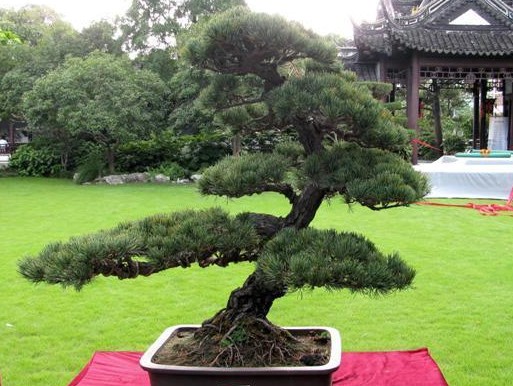
What are the representative tree species and artistic styles of Shanghai-style bonsai?
Shanghai-style bonsai is one of the excellent traditional arts of the Han ethnic group, and is a bonsai art school named after Shanghai. It embodies literature and aesthetics, and integrates plant cultivation science, plant morphology, plant physiology, garden art and plant modeling art. The distribution range of Shanghai-style bonsai is mainly in Shanghai and its surrounding counties and cities
-
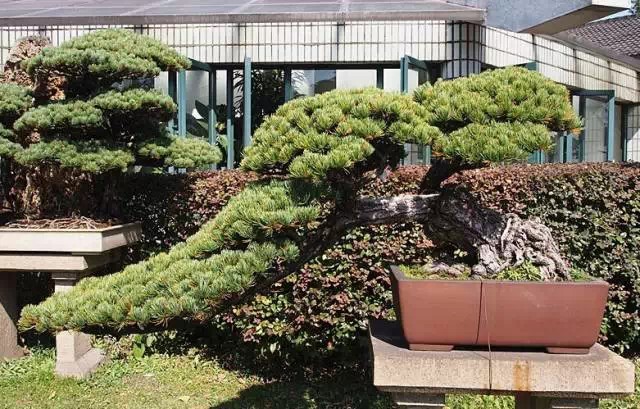
An Analysis of the Artistic Characteristics of Shanghai-Style Bonsai Works
Although Shanghai-style bonsai was developed and formed after the founding of the People's Republic of China, it also has a historical tradition. As early as the Ming Dynasty, there was a man in Shanghai named Zhu Sansong who selected and pruned flowering trees; though they stood less than a foot tall, they were marvelously elegant and aged, possessing the momentum of a coiled dragon stretching a hundred feet.
-
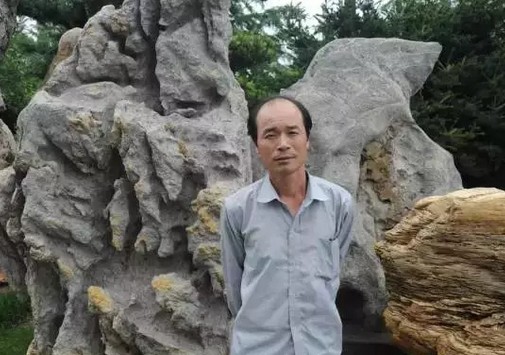
Shanghai-style bonsai master Wang Miaoqing and his bonsai garden, Yipen Garden
I had passed the entrance of this garden, piled with quite a few large rocks, several times before. I had assumed it was just an ordinary workshop for stone carving and landscaping plants, so I never looked into it carefully. Coming here again and stepping inside, I found that although the garden is not large, it has a hidden charm all its own. All kinds of Taihu stones in various shapes are placed casually
-
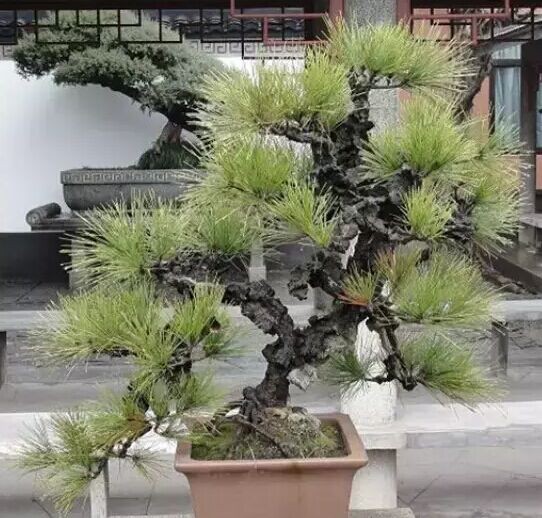
Shanghai-style bonsai imitates nature, with a free and elegant style that breaks convention
Shanghai-style bonsai consists of tree bonsai, landscape bonsai, miniature composite bonsai and more. Imitating nature, free and elegant, breaking convention - among China's traditional five major bonsai schools, only Shanghai-style bonsai lives up to these twelve words. Without seeing it in person, it seems hard to imagine: the largest is just over one meter, the smallest only a few inches
-
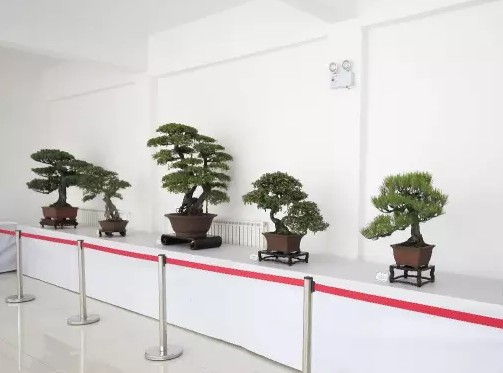
A Detailed Explanation of the Origin and Characteristics of Shanghai-Style Bonsai
Shanghai-style bonsai is one of the outstanding traditional arts of the Han Chinese people, and it is a bonsai art school named after Shanghai. It embodies literature and aesthetics, and integrates plant cultivation science, plant morphology, plant physiology, garden art, and plant modeling art into one. The distribution range of Shanghai-style bonsai is mainly in Shanghai and its surrounding counties and cities.
条件筛选