-
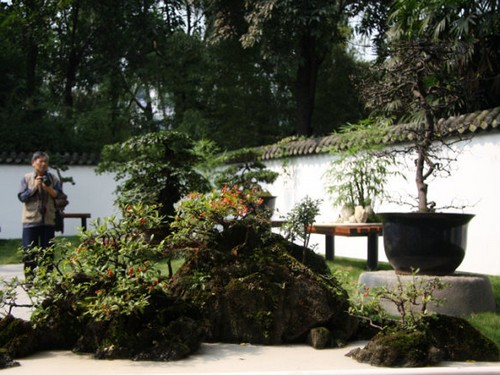
Sichuan-style bonsai reflects Chengdu's refined and elegant urban character
In Chengdu's gardens and museums, bonsai is a major highlight. As a distinctive intangible cultural heritage of Chengdu, Sichuan-style bonsai is one of the four major schools of traditional Chinese bonsai. Starting from the Eastern Han Dynasty, bonsai artists in the Shu region began exploring how to condense the wonders of mountains, waters and nature into a small pot. By the Five Dynasties
-
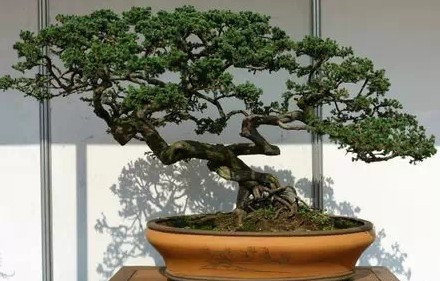
An Analysis of the Technical Characteristics and Artistic Style of Lingnan Penjing
Lingnan penjing is mainly based on tree stumps and originated in the 1930s and 1940s. Lingnan is located in the subtropics, with abundant rainfall and mild weather all year round, suitable for plant growth. Historically, Guangzhou was one of the earlier open treaty ports, with relatively open-minded thinking and a culture that embraced diverse influences. Due to factors such as climate, geography, and human history,
-
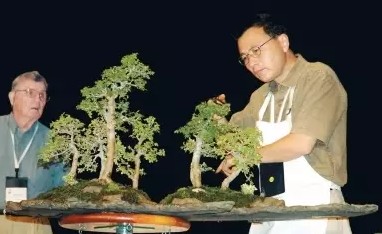
Yangzhou-style penjing debuts on the world stage, with Chinese penjing art master Zhao Qingquan giving a special presentation
With no prominent signboard hung high and no luxurious decoration, Master Zhao Qingquan's studio, tucked away in a corner of the Penjing Museum in the Ten Thousand Flower Garden of Slender West Lake, looks quite simple and understated. When the reporter walked into Zhao Qingquan's office, he was on the phone with Su Yiji, former chairman of the International Bonsai Association and a famous penjing and viewing stone artist from Taiwan, China
-
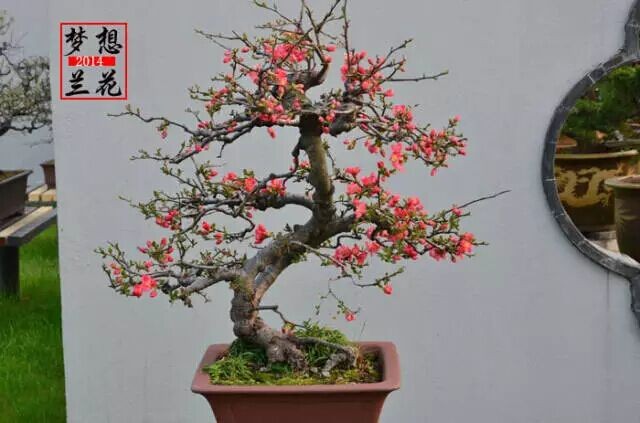
The Yangzhou-style Bonsai Museum is located at Slender West Lake
The Yangzhou-style Bonsai Museum Bonsai Garden is located in the Slender West Lake Scenic Area, integrating functions such as collection, display, popularization and research, covering more than 40 mu. Yangzhou-style bonsai is one of the five major schools in the country, and its "one cun (one cun is 82.5px) three bends" crafting technique can be said to be unmatched in the world
-
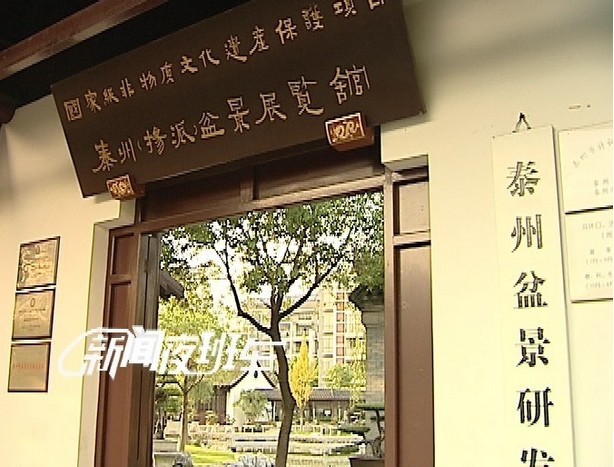
Nearly a thousand bonsai works exhibited at the Taizhou Yang-style Bonsai Exhibition Hall
During the National Day holiday, the Taizhou Yang-style Bonsai Exhibition Hall displayed nearly a thousand works for citizens and tourists to visit free of charge. This afternoon, a reporter saw at the Taizhou Yang-style Bonsai Exhibition Hall at the east gate of Taishan Park in the urban area that many citizens and tourists had come to admire and take photos. Zhao Jianmin, an elderly man aged 66 this year
-
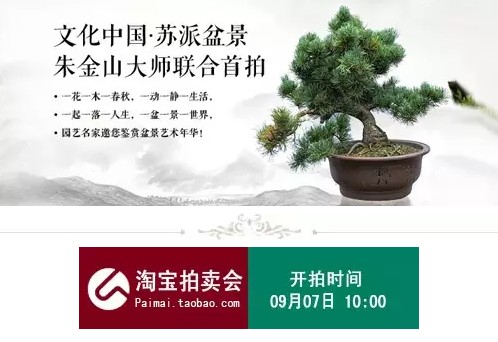
Cultural China · Su-style Bonsai Masters Joint First Auction Works
Su-style bonsai is one of the outstanding traditional arts of the Han ethnic group and a treasure of garden art. The bonsai art centered on Suzhou City, Jiangsu Province, has a long history; it took shape in the Tang and Song dynasties, flourished in the Ming and Qing dynasties, and thrives in the contemporary era. With its unique structural forms and artistic style, it is one of the main schools of Chinese bonsai.
-
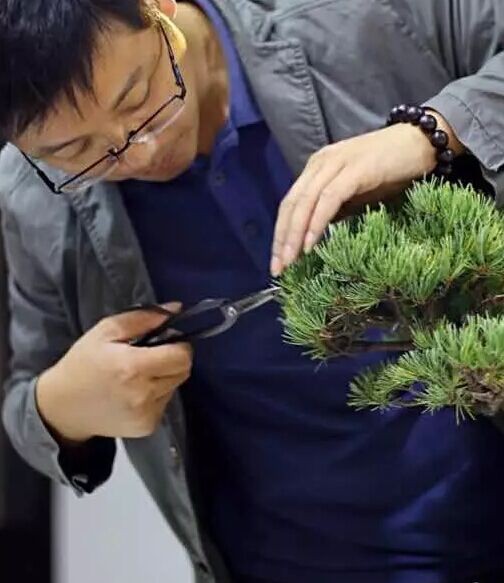
How beautiful is Su-style bonsai? Step into Banzhuju and experience supreme serene beauty
A foot-tall tree, a basin pond before the curved railing, the old Zen monk's pure delight rivals that of forests and springs. Su-style bonsai is a major pillar among China's five great bonsai schools, with a long history: it began in the Tang Dynasty, flourished in the Song, and reached its peak in the Ming and Qing. Tang Dynasty's Bai Juyi, Song Dynasty's Su Shi and Fan Chengda, Ming Dynasty's Wen Zhengming and Wen Zhenheng, Qing Dynasty's Hu Huanzhang
-
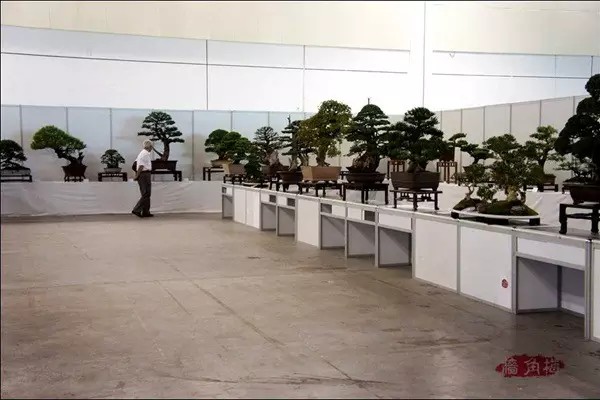
What are the highlights of the Su-style Bonsai Biennale
The Su-style Bonsai Biennale, having already been successfully held twice, welcomes its third exhibition at the Suzhou International Expo Center. 200 exquisite bonsai pieces, gnarled and ancient, in a myriad of forms, are presented together in a concentrated display of high-quality masterpieces that opens visitors' eyes. Most strikingly, this biennale brings together 80 pieces from famous Suzhou masters, gardens and brands
-
The Elegance and Leisurely Delights of Wu Culture in Suzhou-Style Penjing
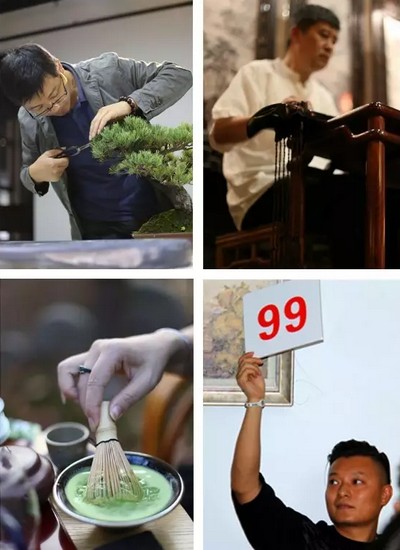
A Record of a Floating Life, encountering Suzhou-style penjing, meet you on November 29 at Liujue Art Museum. Gathering with friends through scenery, poetry within the scenery, painting within the scenery, distinctive charm within the scenery, sharing the refined elegance brought by Suzhou-style penjing through listening, reading, appreciating and tasting. This exhibition focuses on appreciating Suzhou-style penjing, watching penjing pruning and shaping demonstrations, and listening to the exquisite sounds of silk-and-bamboo music
-
Detailed Explanation of Huizhou-Style Tree Stump Bonsai Shaping Methods
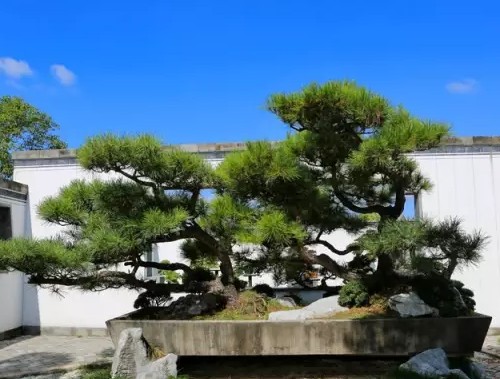
The timing for shaping tree stump bonsai varies depending on the plant species. Generally, spring and autumn are the best seasons, because in spring plants begin to sprout, the branches are relatively soft, and deciduous plants have not yet grown leaves, making shaping operations easier; in autumn, plants have completed their growth cycle, and deciduous plants have already shed their leaves and are preparing for dormancy, which is equally suitable for shaping.
条件筛选