-
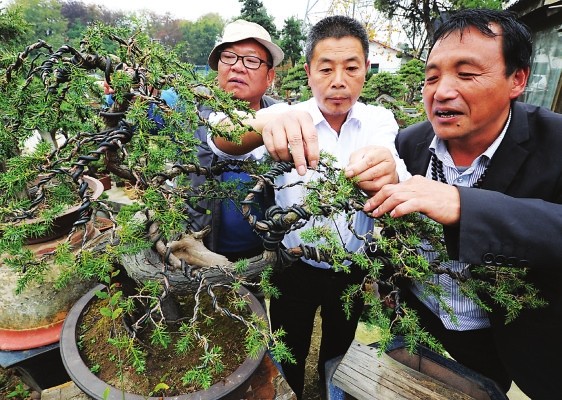
Detailed Explanation of the Key Techniques of Su-style Bonsai Wiring
Suzhou bonsai traditionally uses palm fiber for wiring. Its advantage is that the color of the palm fiber harmonizes with the bark, and the wired stump has higher ornamental value. However, palm fiber wiring is quite difficult, and the skill level of the practitioner can be seen from the wiring technique. The main aspects to master are the anchoring points of the palm fiber and the appropriate thickness of the palm fiber.
-
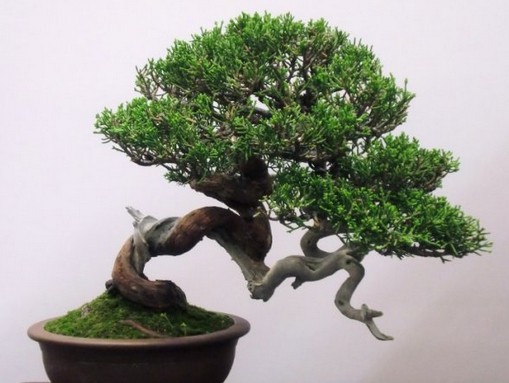
A Detailed Guide to Tree Species Selection and Styling Techniques of Suzhou-Style Bonsai
Suzhou-style bonsai is one of the five major schools of Chinese bonsai and consists of two parts: tree stump bonsai and water-and-stone bonsai. The most common varieties for tree stump bonsai include pines and cypresses, Chinese sweet plum (Sageretia thea), elm, boxwood, trident maple, Chinese fringeflower (Loropetalum chinense), crape myrtle, pomegranate, ginkgo, and others.
-
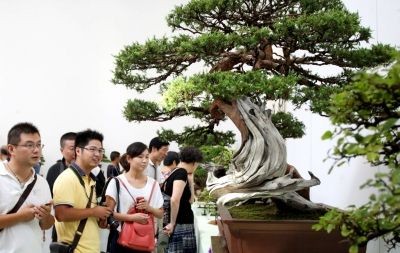
Su-style bonsai is an art sculpted with time
Bonsai is a literati art with a deep folk foundation in Suzhou. In Suzhou during the Ming and Qing dynasties, officials and dignitaries built gardens, while ordinary people enjoyed bonsai. Bonsai is also an art sculpted with time. Despite its small size, it took more than ten years from potting and cultivation to shaping and finalization, and after shaping and finalization
-
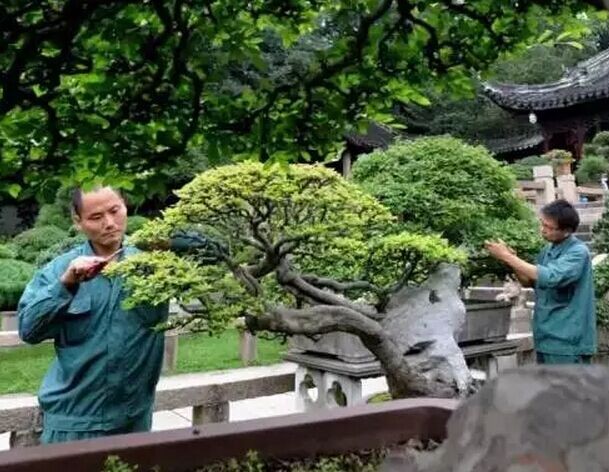
Suzhou-style bonsai pruning and shaping during the plum rain season showcases their unique artistic charm
During the plum rain season, there is plenty of rain and high humidity, so plants grow especially vigorously, and the branches and leaves of bonsai trees grow very quickly. Yesterday, horticulturists at the Bonsai Garden of Wan Jing Villa in Tiger Hill took advantage of a break in the rain to prune and beautify more than 600 Suzhou-style bonsai in the garden, so that these fine bonsai can all grow healthily and always maintain their beautiful forms
-
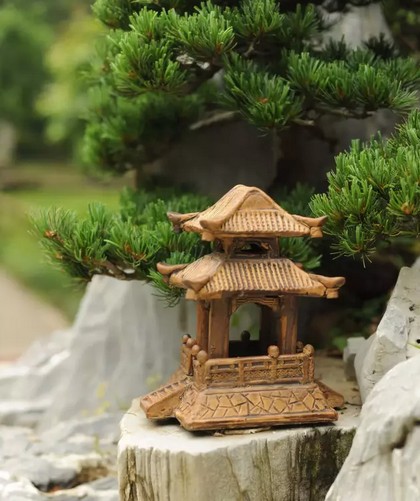
What is Su-style bonsai? A guide to this traditional art
Su-style bonsai is known for its antique elegance and rough simplicity. Gnarled old trunks and branches several decades or even a hundred years old are cultivated in small pots, yet can reach less than a chi in height. The second characteristic of Su-style bonsai is its fine, delicate and subtle craftsmanship, just like the silk-and-bamboo music of Jiangnan, giving people a feeling of elegance, splendor, brightness and smoothness
-
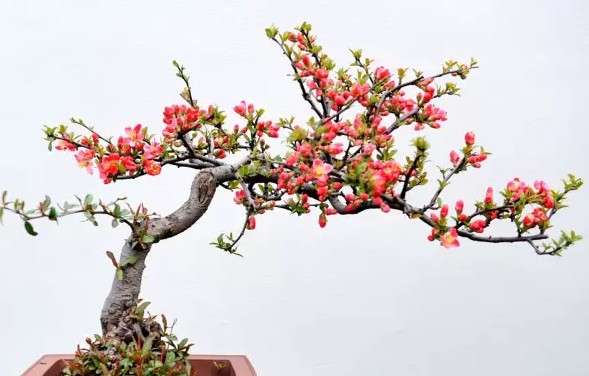
Yang-style penjing is a distinctive craft of Yangzhou.
Yang-style penjing is centered on Yangzhou and includes the northern Jiangsu counties and cities of Taizhou, Taixing, Tai County, Xinghua, Gaoyou, Dongtai, Yancheng, Baoying and others; it is a school of penjing art named after Yangzhou. Yang-style penjing is one of the five major schools in the country, and its technique of making three bends in one cun (one cun is 3.3. m) can be said to be unmatched in the world.
-
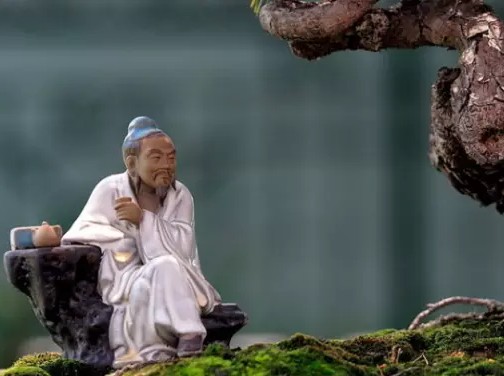
Lingnan-style moss bonsai showcase natural elegance and charm
The mention of moss bonsai inevitably brings to mind Japanese-style gardening landscapes, where adorable, verdant bonsai are given various themes by people's imagination, and a small container becomes a miniature world. The benefit of making moss bonsai lies in honing our carefulness and patience
-
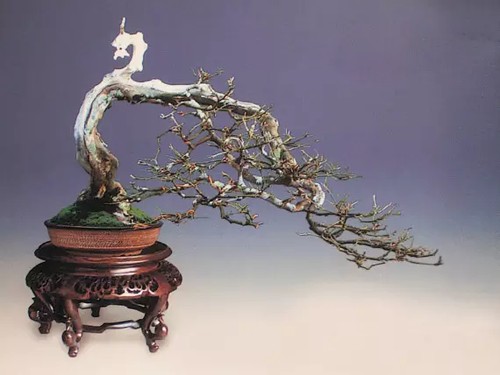
A Detailed Explanation of the Traditional Craftsmanship and Characteristics of Suzhou-Style Penjing
Penjing craftsmanship refers to Suzhou-style penjing craftsmanship, which originated in the Tang Dynasty, flourished in the Ming Dynasty, matured in the Qing Dynasty, and developed in modern and contemporary times. Since the 1980s, Suzhou penjing has won major awards in exhibitions at home and abroad many times. In 2011, it was included in the third batch of the national intangible cultural heritage list.
-
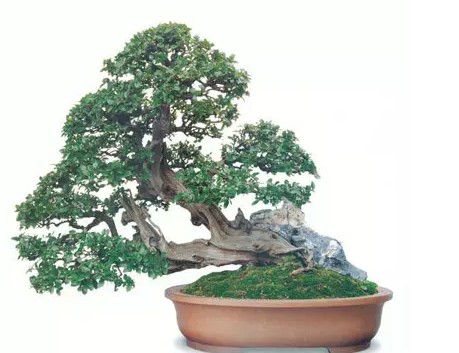
Appreciation of Masterpieces of Suzhou-Style Penjing: Experience the Charm of Traditional Penjing Art
"Ancient Charm Abounds": Species: Chinese sweet plum (Sageretia thea). Height: 57 cm. Age: about 50 years. At first glance it looks like a completely withered old stump, and it has been shaped by human hands, yet it is quaint and natural; the dense canopy of branches and leaves makes it hard to believe that it grew from the back of this dead stump, yet this is an indisputable fact.
-
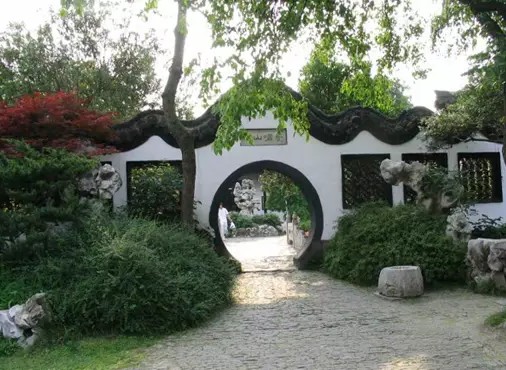
The He Garden Yang-style Penjing Exhibition Is Here: The Perfect Time to Admire Red Leaves and Smell Osmanthus
Yang-style penjing were already being made during the Tang and Song dynasties. By the Qing dynasty, Yangzhou had built gardens extensively and penjing flourished, with the saying that every household had a garden and every family grew penjing, and a school was formed. In 1949, Yang-style penjing developed further. In early 1950, Yangzhou once sent 36 pine and cypress penjing to Zhongnanhai in Beijing
条件筛选