-

Introduction to the Variety Characteristics of Flavor Queen, a Plumcot
The plumcot is an emerging fruit obtained by crossing the apricot and the plum. Flavor Queen. The fruit is round or oblate, with both skin and flesh being orange-yellow, a sweet taste, fine and crisp flesh, and a strong aroma, with excellent quality. The soluble solids content is 17%-19%, it is freestone, and the edible rate is high. The fruit's longitudinal diameter is 5.1-5.9 cm, the transverse diameter is 5.5-6.2 cm, the average single fruit weight is 100 g, and the maximum fruit weight is 135 g. The fruit ripens from late July to early August, the development period is 130 d, and the chilling requirement is 400
-
Phlox, Drummond phlox, annual phlox, five-color plum, grass oleander, campanula pink, foreign plum flower, small foreign flower, small sky-blue hydrangea
Scientific name: Phlox drummondii. Aliases: phlox flower, phlox bloom, five-color plum, grass oleander, campanula pink, foreign plum flower, small foreign flower, small sky-blue hydrangea. Family and genus: Polemoniaceae, Phlox genus. Origin: native to southern North America, now widely cultivated in countries around the world. Origin of the name: the genus name Phlox means flame, because the original species of phlox has red flowers. The species name honors Drummond. Morphological characteristics: plant height 15 to 45 cm. Stems erect, much branched
-
What are the other names for Phlox drummondii? Phlox flower, five-color plum, grass oleander, etc.
Scientific name: Phlox drummondii. Other names: phlox flower, phlox, five-color plum, grass oleander, bellflower pink, foreign plum flower, small foreign flower, small sky-blue hydrangea. Family and genus: Polemoniaceae, Phlox genus. Origin: native to southern North America, now widely cultivated around the world. Origin of the name: the genus name Phlox means flame, because the original species of Phlox has red flowers. The species name was given to commemorate Drummond. Morphological characteristics: plant height 15 to 45 cm. Stems erect, much branched,
-
Detailed Explanation of the Processing Technology and Production Method of Preserved Plum Ginger
Fresh ginger generally only has a spicy ginger taste and ginger flavor. This product, preserved plum ginger, adds preserved plum flavor to the ginger raw material and belongs to the category of preserved fruit foods. The processing technology is as follows: 1. Raw material: The raw material used for this type of preserved fruit product is semi-finished salted ginger base. 2. Desalting: Soak the salted base in a large amount of clean water and change the water as needed. If flowing water is used, the desalting effect is faster, and it can be used where there is an adequate water source. The degree of desalting depends on the need; generally, leaving about 2% salt in the raw material is sufficient. 3
-
Detailed guide to golden plum jujube cultivation: grow the finest of jujubes
Golden plum jujube is a new extra-late-maturing large jujube variety bred by the Nanyang Jujube Research Institute in Henan Province, and has won the national science and technology gold award many times. The golden plum jujube fruit is large and round, turning golden-red when ripe, and resembles a plum. The average single fruit weight is 30g, and the largest fruit weighs 100g. It has a glossy and beautiful appearance, thin skin and crisp flesh, is tender and juicy, sweet as honey, with a rich aroma and excellent quality. The edible rate of golden plum jujube is 96.4%, the moisture content is 65.4%, and the soluble solids content is 32.2%. It is praised by domestic experts as a "national treasure" and called by international friends the "Oriental
-
What are the new plumcot varieties? Let us introduce you to the latest plumcot varieties
Flavor Rose This variety is the earliest-ripening new American red-fleshed plumcot hybrid variety. Its fruit is flat-round, and when ripe it turns purple-black; the fruit surface is smooth and glossy, extremely attractive, the flesh is bright red, the flavor is fragrant and very sweet, and the quality is excellent. The soluble solids content is 17.2%--18.5%, the fruit weighs 100-120 grams, the fruit ripening period is mid to late May, and the fruit development period is 80-85 days. This variety grows vigorously, the branches have strong branching ability, and a large number of flower buds can form in the same year. In full bearing period, each
-
Processing Method and Production Steps for Candied Ginger Plums
This product is a traditional sugar-preserved food, formerly marketed in Southeast Asia, with a sweet, sour, salty, spicy and distinctive flavor. The processing technology is as follows: 1. Raw material preparation: Prepare ginger powder: use fresh tender ginger and fresh old ginger at a ratio of 4:3, wash both types of ginger thoroughly, scrape off the ginger skin and floating skin, then chop and carry out color protection by soaking in a 0.1% sodium bisulfite solution for 8 hours, then rinse with clean water, put into a pulping machine to make a fine pulp, spread in a drying tray, and dry in a dryer at 65-70 degrees Celsius to obtain dried ginger powder. Add sugar and adjust the powder: use pure
-
Detailed Explanation of Key Production Management Techniques for Peaches, Pears, and Plums
1. Apply basal fertilizer well: This fertilization should be mainly organic fertilizer and should be applied before the fruit trees shed their leaves, in order to facilitate the decomposition of the organic fertilizer so that its fertilizer effect can be brought into play earlier next spring. The amount used depends on the variety, the size of the canopy, the amount of fruit produced that year, and the strength of the tree vigor. If conditions permit, apply 10-15 kg of burnt mud ash per tree. At the same time, before leaf fall, supplement with foliar topdressing to prolong the life of the leaves and improve the quality of the flower buds. 2. Do a good job of orchard sanitation: carry out comprehensive orchard sanitation, eliminate overwintering pests and diseases, and reduce the overwintering pest and disease population base.
-
Key Cultivation Techniques and Management Methods for American Plumcot
American plumcot, namely the new intergeneric hybrid cultivar of apricot and plum, is a new cultivar introduced from the United States by the Economic Forest Research and Development Center of the Chinese Academy of Forestry. This cultivar was developed through multiple generations of hybridization between apricot and plum. Its fruit has a unique rich and fragrant aroma, and its sugar content is much higher than that of any single apricot or plum cultivar, with soluble solids content reaching 18-20%. It is one of the emerging fruit varieties with the best market prospects. Currently, 7 cultivars have been introduced: Flavor Rosa, Flavor Queen, Flavor Delight, Flavor King, Dinosaur Egg,
-
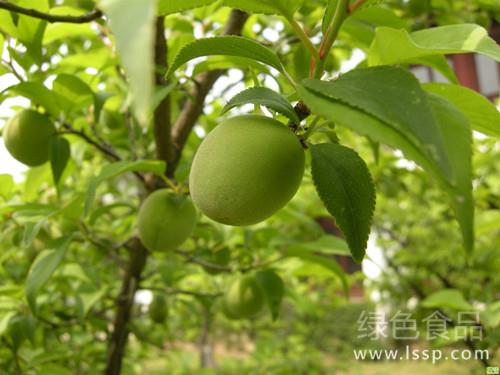
High-quality, High-yield Cultivation Techniques for Japanese Apricot (Green Plum) with Pollinator Trees and Bee Release at Blooming
Cultivation Techniques for High-quality, High-yield Japanese Apricot with Pollinator Trees and Bee Release at Blooming
条件筛选