-
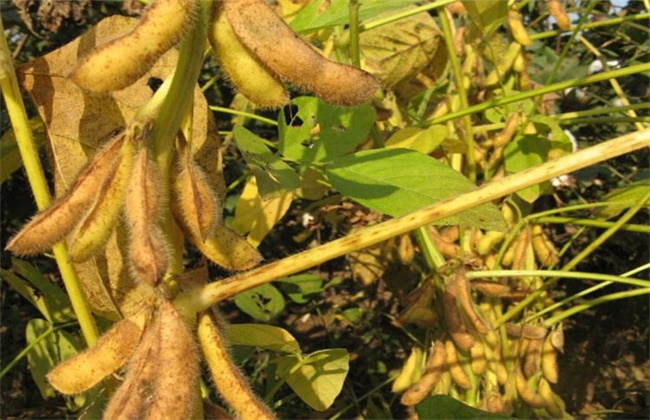
Why are soybean pods not plump? Causes and control measures
Causes of non-plump soybean pods and control measures
-

Detailed Explanation of the Processing Technology and Key Operating Points for Candied Ginger Plums
This product is a traditional sugar-preserved food, formerly marketed in Southeast Asia, with a sweet, sour, salty, spicy and distinctive flavor. The processing technology is as follows: 1. Raw material processing: Prepare ginger powder: use fresh tender ginger and fresh mature ginger at a ratio of 4:3. Wash both types of ginger thoroughly, scrape off the ginger skin and outer peel, then chop and subject to color protection by soaking in a 0.1% sodium bisulfite solution for 8 hours. Then rinse with clean water, put into a pulping machine and beat into a fine pulp, spread in a drying tray, and dry in a dryer at 65-70 degrees Celsius to obtain dried ginger powder.
-
Detailed Explanation of the Processing Technology and Production Method of Preserved Plum Ginger
Fresh ginger generally only has a spicy ginger taste and ginger flavor. This product, preserved plum ginger, adds preserved plum flavor to the ginger raw material and belongs to the category of preserved fruit foods. The processing technology is as follows: 1. Raw material: The raw material used for this type of preserved fruit product is semi-finished salted ginger base. 2. Desalting: Soak the salted base in a large amount of clean water and change the water as needed. If flowing water is used, the desalting effect is faster, and it can be used where there is an adequate water source. The degree of desalting depends on the need; generally, leaving about 2% salt in the raw material is sufficient. 3
-
Processing Method and Production Steps for Candied Ginger Plums
This product is a traditional sugar-preserved food, formerly marketed in Southeast Asia, with a sweet, sour, salty, spicy and distinctive flavor. The processing technology is as follows: 1. Raw material preparation: Prepare ginger powder: use fresh tender ginger and fresh old ginger at a ratio of 4:3, wash both types of ginger thoroughly, scrape off the ginger skin and floating skin, then chop and carry out color protection by soaking in a 0.1% sodium bisulfite solution for 8 hours, then rinse with clean water, put into a pulping machine to make a fine pulp, spread in a drying tray, and dry in a dryer at 65-70 degrees Celsius to obtain dried ginger powder. Add sugar and adjust the powder: use pure
条件筛选