-
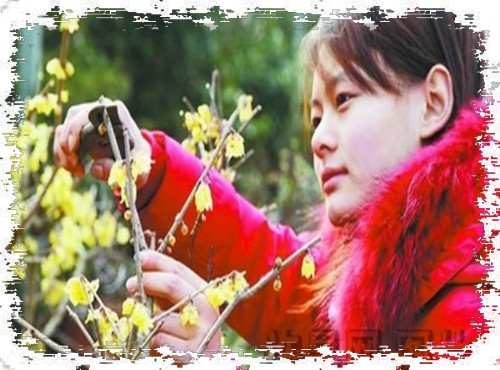
How to prune and wire a plum blossom bonsai? Detailed technical methods
Bonsai creation requires a certain level of skill and experience. To shape a bonsai with strong ornamental value, one simply cannot do it without five or six years of cultivation and shaping expertise. The two most critical techniques in bonsai shaping are pruning and wiring. Pruning techniques: some early woody flowering plants that bloom before leafing out
-
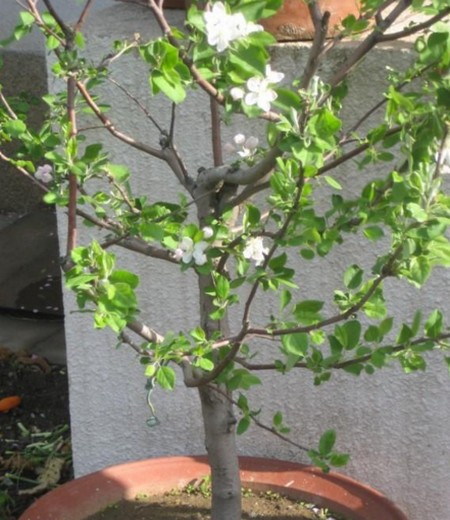
How to prune a potted plum tree? Detailed guide to bonsai pruning techniques for plum trees
The pruning shape of a potted plum tree should not only favor fruiting but also have an aesthetic effect, enhancing its ornamental value. Usually, the natural round-headed shape and the pagoda shape are the main forms, though you can also shape it into a favorite tree form according to personal preference, such as the cascade style or the curved-trunk style. After potting
-
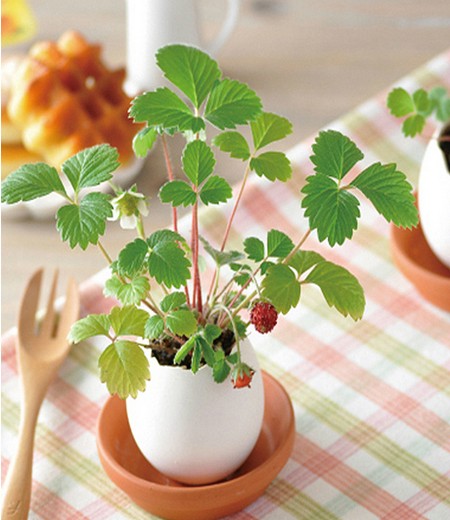
How to Propagate Plumeria? Introduction to Common Propagation Methods
Plumeria has extremely high ornamental value. The whole tree appears graceful, well-proportioned, natural and beautiful. The multi-year old trunk of a mature plumeria has a naturally formed shape that is vigorous and upright, full of presence; its canopy is like a cover, full of green, naturally growing into a rounded form. Therefore, in landscaping
-
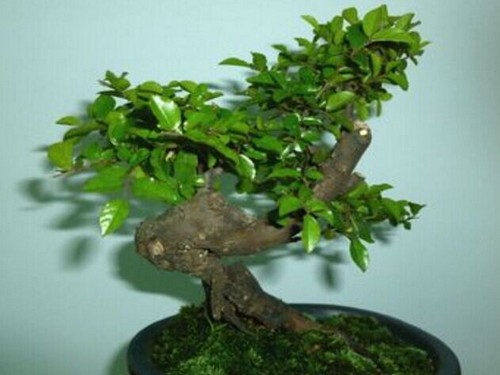
Detailed Explanation of the Key Styling Techniques for Chinese Sweet Plum (Sageretia thea) Bonsai
Sageretia thea, also known as duijieci, sageretia vine, sour fruit, and sour-berry tree, is a deciduous climbing shrub of the genus Sageretia in the family Rhamnaceae. Its roots and trunk are naturally peculiar, and its tree form is vigorous and antique, making it one of the main tree species for stump bonsai in China. Sageretia thea is a major bonsai tree species of the Lingnan school and the Su school, and is also commonly used in other regions.
-
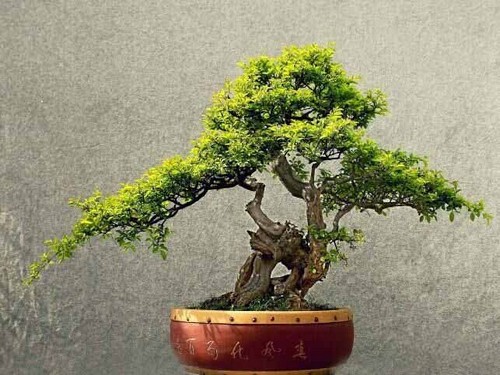
How to prune a Chinese sweet plum bonsai? Detailed pruning methods and techniques
In gardens, the Chinese sweet plum can be used as a hedge or vertical greening material, and it is also suitable for planting among rocks. This plant is extremely adaptable and not demanding about soil; it can adapt to acidic, neutral and calcareous soils, and it is drought-tolerant, tolerant of waterlogging and tolerant of poor soil.
-
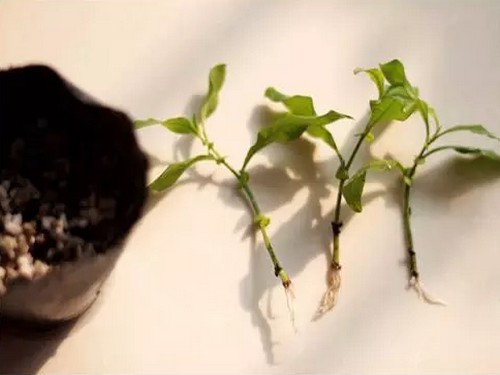
A detailed guide to blue plumbago (Plumbago auriculata) cuttings: easy to learn
You have a blue plumbago yourself and want to propagate it by cuttings. You cut off a piece of stem, remove the leaves from the lower half, and put it in water. Then, a few days later, the bottom has turned black, and the leaves at the top have wilted. Then you cut off the blackened bottom part and keep it in water. Then, a few days pass
-
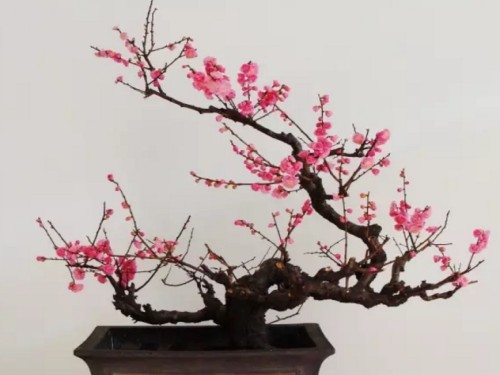
Detailed Explanation of the Key Pruning Techniques for Red Plum Bonsai
To cultivate a red plum bonsai that has both abundant flowers and a beautiful tree form, in addition to careful maintenance and management, artistic processing is essential, and the basic methods are pruning and wiring. Red plum has strong branching ability and tolerates pruning, and it forms flower buds on new shoots of the current year, so every year after the flowers fade, it should be pruned in time, cutting the old flowering branches short
-
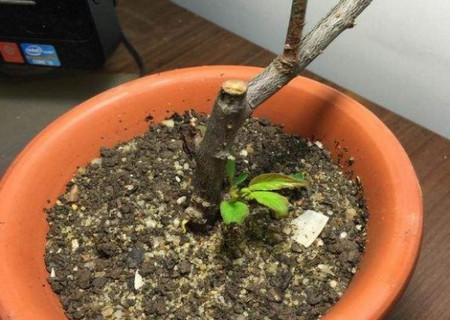
Detailed Explanation of Plum Blossom Propagation Methods and Technical Key Points
Artistic Conception Beauty: The ancients said that plum blossoms win by charm and rank high by character, which means that plum blossom bonsai must have an artistic conception. Mr. Zhou Shoujuan loved plum blossoms all his life, and when making plum blossom bonsai, he paid great attention to creating an artistic conception. A bonsai he created during his lifetime, "Lonely Mountain Releasing Crane Picture," made viewers involuntarily feel deep respect for the Song Dynasty poet Lin Bu, who kept himself pure and self-disciplined.
-
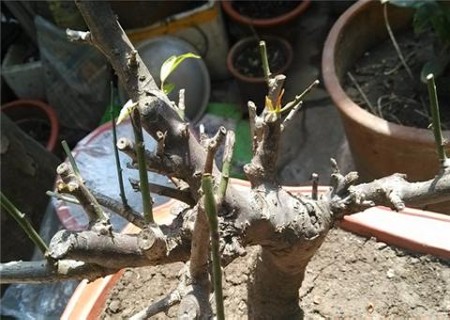
How to graft plum blossoms? A detailed guide to the cleft grafting propagation method
Plum blossoms are usually propagated by grafting, because seedlings grown from seed often fail to pass on the superior traits of the mother plant, and grafting is divided into two types: cleft grafting and bud grafting. We have already covered the bud grafting technique for plum blossoms, so this article will discuss the cleft grafting propagation method for plum blossoms! As for the scion, there is no need to elaborate, it is the same as usual
-
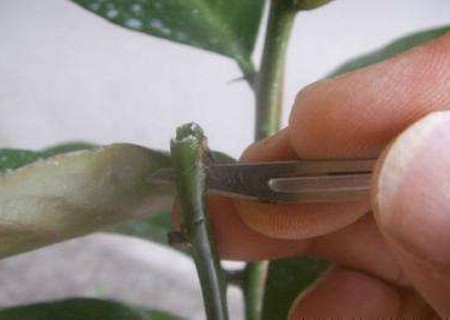
Plum blossom budding method illustrated, detailed steps of the grafting method
Budding is a method in which a single bud is cut from a branch, with or without a little wood, inserted into a cut in the rootstock, and then tied so that the two knit closely together and heal. Budding should be carried out during the slow-growth period, because at this time the cambium cells are still very active and the tissues of the bud are already well developed. Potted plum blossoms are mainly propagated by grafting, commonly using cleft grafting and budding.
条件筛选