-
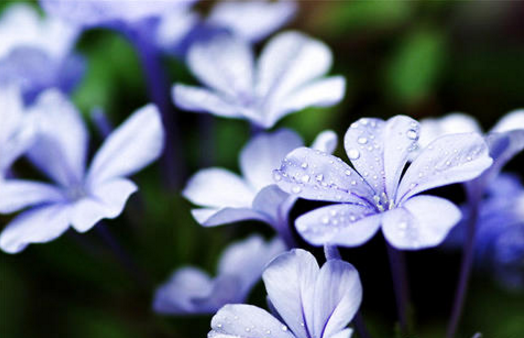
How to Propagate Blue Plumbago? Detailed Guide to Seed Sowing and Cutting Methods
Blue plumbago (Ceratostigma plumbaginoides) is a fairly common plant in people's daily lives with strong ornamental value. Of course, if propagation goes poorly and the plant withers, it loses its beauty, so mastering the propagation methods of blue plumbago is very important. Regarding how to propagate blue plumbago, what are the propagation methods?
-
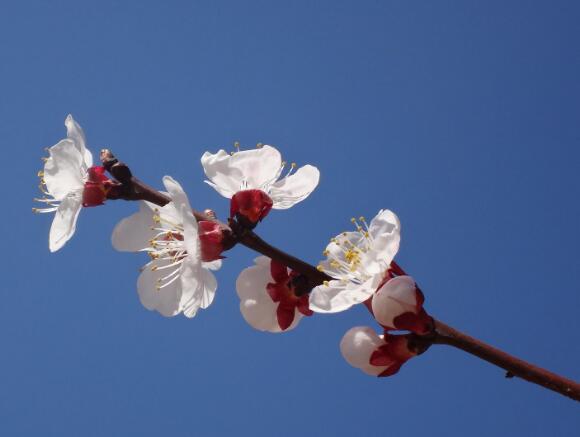
How to propagate plum blossoms? Four methods: sowing, cuttings, grafting and layering
Plum blossom (Prunus mume), ranked first among China's ten famous flowers, is a highly ornamental plant, and many people also grow it at home, so its propagation methods are a question many people care about. How do you propagate plum blossoms, and what propagation methods are there? Let's take a look below.
-
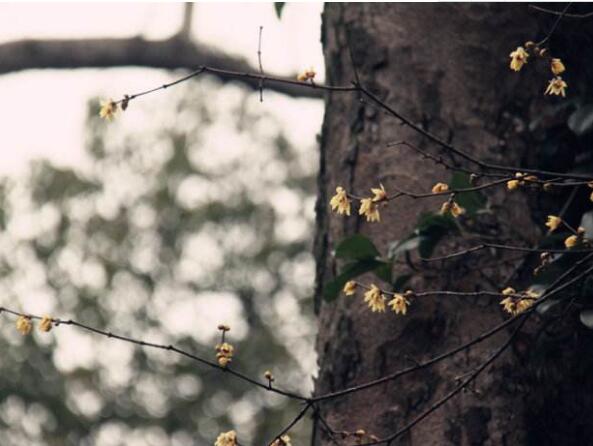
What to Do When Plum Blossoms Get Bugs: Common Plum Blossom Diseases and Their Control / 3 Pests, 3 Diseases
The plum blossom is a fairly well-known plant in China, with a resolute character and very strong vitality, though pest and disease problems can still cause the plant to wither and die. What should you do when plum blossoms get bugs, and how should common plum blossom diseases be prevented and controlled? Let's take a look below.
-
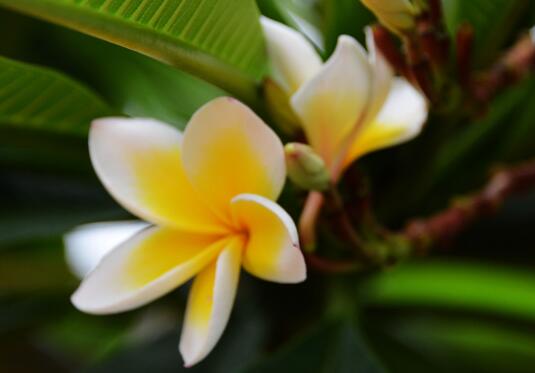
Four propagation methods for plumeria: seed sowing, cuttings, grafting, and layering
Plumeria is a highly ornamental plant, and people in many regions of our country grow it. As more people cultivate it, questions about its propagation have also drawn greater interest. How do you propagate plumeria? What propagation methods are there for plumeria? Below, the editor will walk you through it.
-
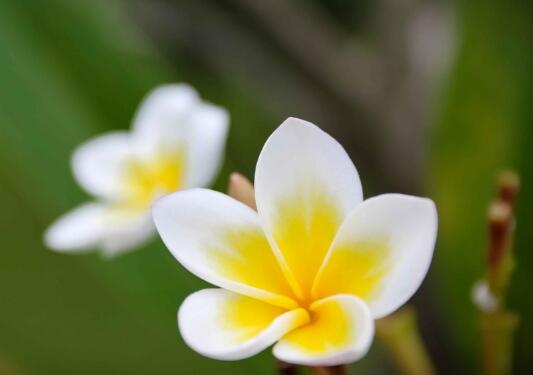
Why does plumeria get bugs? 3 pests and 1 disease control methods
Plumeria is a fairly common flower in people's lives, with high ornamental value, but for this kind of ornamental flower, the most feared problem is pests and diseases. Once such problems appear, they not only greatly affect the appearance, but if left untreated for a long time, they can also cause the plant to wither and die.
-
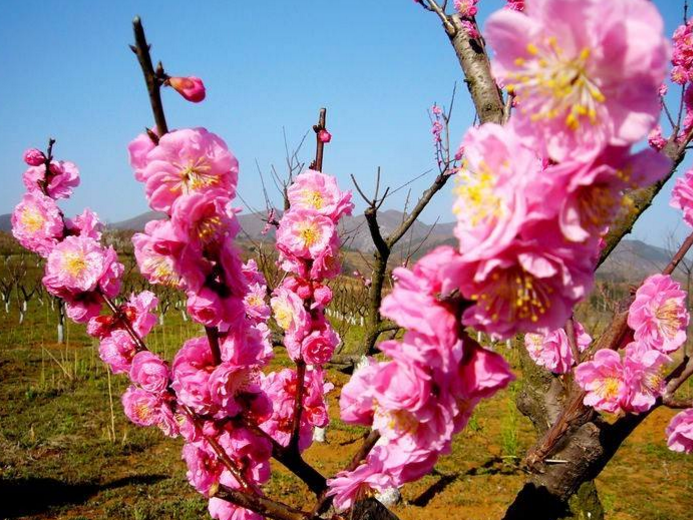
Detailed Explanation of Plum Blossom Planting Methods and Techniques
I. Outdoor Planting Environment and Seedling Selection: Choose a spot with full sun, deep and fertile soil, loose topsoil, and slightly clay-heavy subsoil for planting; plants grow better in such locations. In spring, 1- to 2-year-old small seedlings can be planted bare-root and will easily survive; for large plum blossom seedlings over 3 years old, they must be planted with a soil ball. Fertilizing
-

What are the key points to note when growing plum blossom bonsai?
In summer, when the light is too intense and the temperature is too high, you must shade the plum blossom; generally, keeping it indoors in a bright, well-ventilated spot is enough.
-
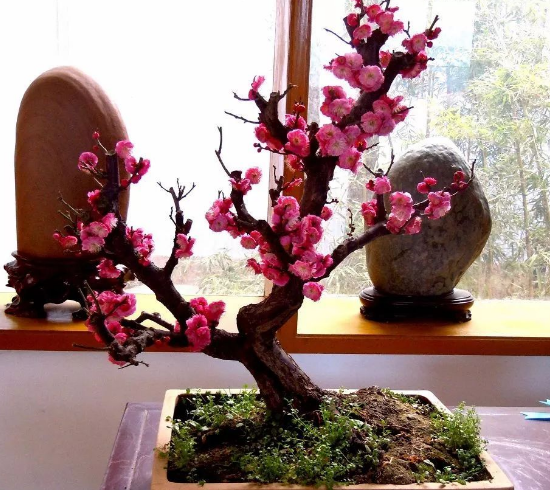
What are the methods for growing plum blossom bonsai?
1. Soil. Plum blossom bonsai does not have very high requirements for soil; a well-draining, breathable, loose and fertile soil is ideal. There is soil specially formulated for growing plum blossoms on the flower market, which gardening enthusiasts can buy and use directly. 2. Light. Plum blossoms bloom in the cold winter, and winter is also their period of vigorous growth.
-
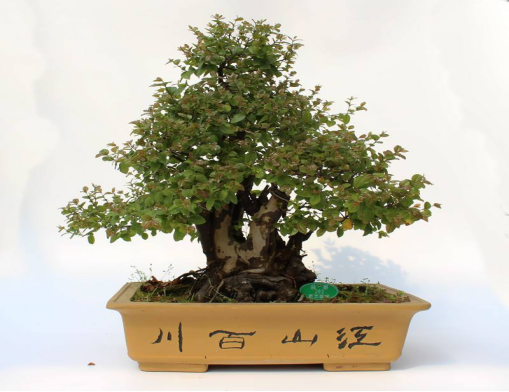
What causes the leaves of Sageretia thea (Chinese sweet plum) to turn yellow
First, if it is placed outdoors, it may be caused by the potting soil being too dry or too wet, especially water accumulating after rain and poor drainage. Second, it may be caused by being kept for a long time indoors in a stuffy, unventilated, shaded spot, or by suddenly being moved outdoors and exposed to the blazing sun. After the Sageretia thea drops its leaves, as long as the branches and trunk do not wither and some remaining leaves are still attached
-
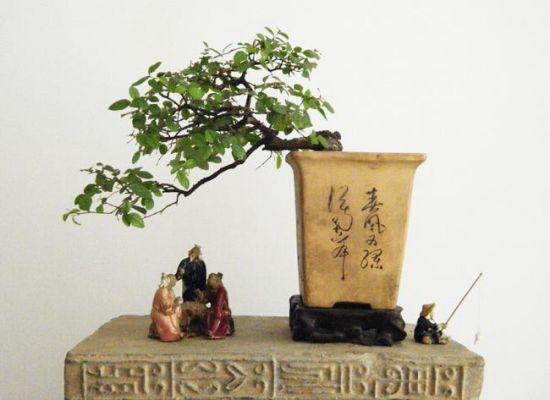
How to grow Sageretia thea (Chinese sweet plum)? Master these five key care tips
Water: There is a bit of finesse to the water used for Sageretia thea care. Natural water such as river water, pond water and rainwater is best. If using tap water, it should be stored for one or two days so the chlorine can evaporate. Water left over from washing clothes, and water containing grease or salt, must never be used. Fertilizing: Sageretia thea should be fertilized in moderation; too much fertilizer makes the branches and leaves grow excessively.
条件筛选