-
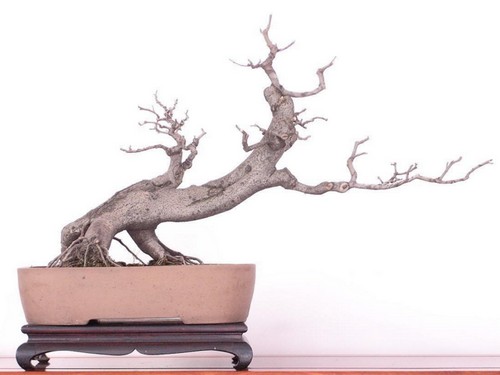
Detailed explanation of branch-pad styling methods for Chinese ash bonsai
Chinese ash (Fraxinus hupehensis) is a fast-growing species with vigorous growth. After one year of training and pruning of the trunk and primary branches, apart from a few terminal transition branches, cascading branches and drooping branches deliberately left long to thicken, most branches can be pruned and built into pads in the second year. In the early stage, primary and secondary branches are mainly wired (or guyed), with pruning as a supplement; in the later stage, once the branch pads have basically taken shape, pruning becomes the main method.
-
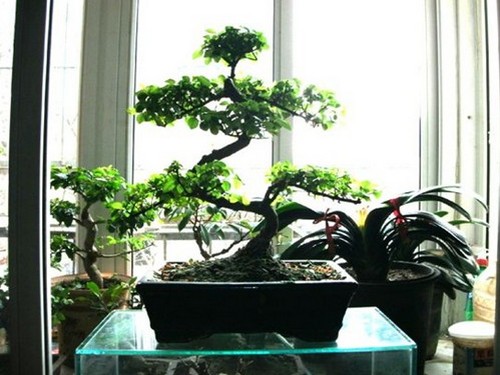
Detailed Explanation of Shaping and Styling Techniques for Chinese Privet (Ligustrum quihoui) Bonsai
Artistic shaping of garden plants is a technique in which garden technicians use ingenious concepts and adopt measures such as pruning and shaping, frame building and styling, and cultivation management to create beautiful artistic images with high ornamental value.
-
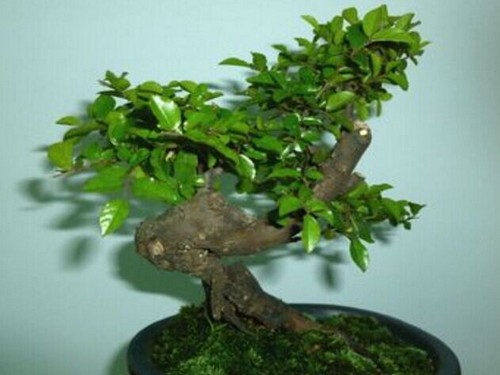
Detailed Explanation of the Key Styling Techniques for Chinese Sweet Plum (Sageretia thea) Bonsai
Sageretia thea, also known as duijieci, sageretia vine, sour fruit, and sour-berry tree, is a deciduous climbing shrub of the genus Sageretia in the family Rhamnaceae. Its roots and trunk are naturally peculiar, and its tree form is vigorous and antique, making it one of the main tree species for stump bonsai in China. Sageretia thea is a major bonsai tree species of the Lingnan school and the Su school, and is also commonly used in other regions.
-
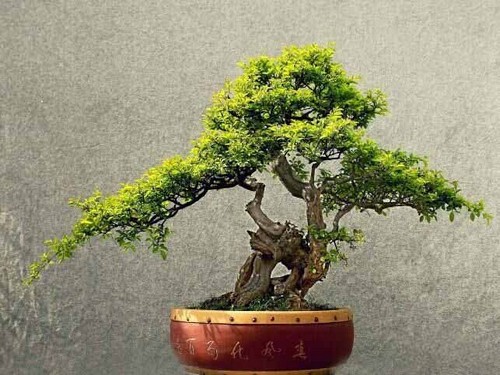
How to prune a Chinese sweet plum bonsai? Detailed pruning methods and techniques
In gardens, the Chinese sweet plum can be used as a hedge or vertical greening material, and it is also suitable for planting among rocks. This plant is extremely adaptable and not demanding about soil; it can adapt to acidic, neutral and calcareous soils, and it is drought-tolerant, tolerant of waterlogging and tolerant of poor soil.
-
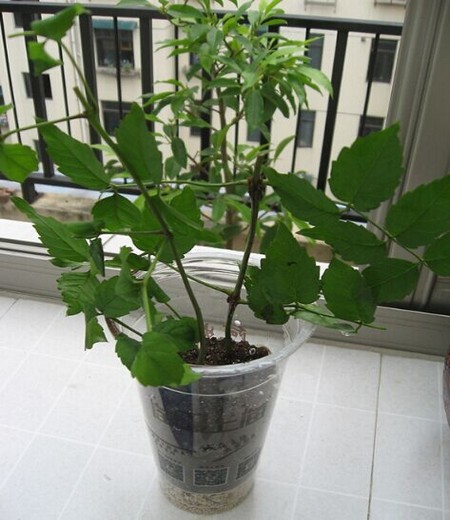
Chinese Trumpet Creeper Propagation Methods and Key Points of Seedling Management Techniques
Chinese trumpet creeper (Campsis grandiflora) originated in central China and has a cultivation history of more than 2000 years. A complete flower of Chinese trumpet creeper is about 4-5cm, and the color is extremely vivid, mostly yellow-brown to brown. The propagation of Chinese trumpet creeper is mainly by layering and cuttings. Because Chinese trumpet creeper grows fast and blooms many times, attention should be paid to pruning and fertilizing.
-
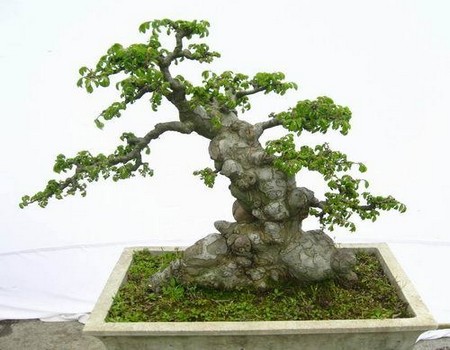
Detailed Explanation of the Key Points of Chinese Scholar Tree Bonsai Shaping and Pruning Techniques
The Chinese scholar tree (Sophora japonica) has a low branching rate, with no lateral branches on the middle and lower parts of the trunk, and the trunk thickens slowly. Moreover, most of these trees have hard wood but a slow lignification process, which makes the trunks of young seedlings thin and soft. Because the upper part of the seedling has a high water content and dense leaves, it easily sprouts branches during the second growth period, causing a top-heavy condition. After wind, rain and sun exposure, the seedling naturally bends.
-
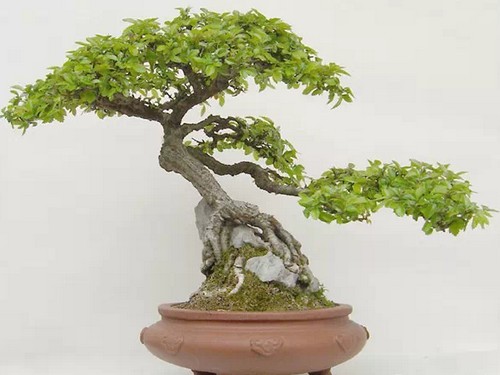
A detailed guide to shaping Chinese elm bonsai to create a beautiful tree form
When buying a Chinese elm bonsai, you must carefully examine the trunk. The fresher the raw trunk material, the better. Do not assume that a withered, decayed trunk has more charm. Some even have poorly developed root systems. Beginners should first keep the Chinese elm alive, then gradually shape it! The processing and shaping of Chinese elm can be carried out by combining pruning with wiring.
-
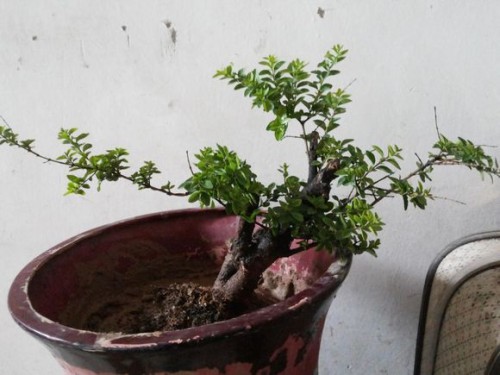
Detailed Guide to Shaping a Chinese Privet (Ligustrum quihoui) Bonsai
Chinese privet (Ligustrum quihoui) likes light, tolerates slight shade, is relatively cold-hardy, and resists many toxic gases, making it an excellent pollution-tolerant tree species. Its branches are soft and spreading, it sprouts vigorously, its leaves regenerate readily and it tolerates pruning, and it has the characteristic of taking shape quickly, making it an excellent material for modern horticultural plant shaping.
-
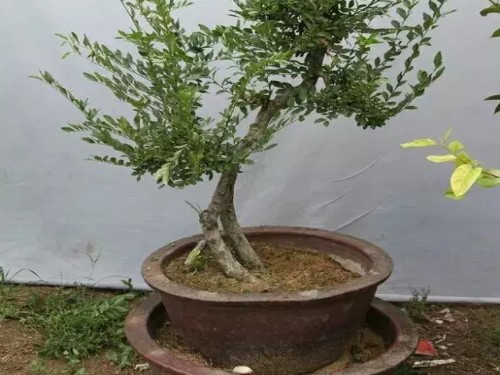
How to prune a Chinese elm bonsai? Detailed pruning tips and methods
The Chinese elm trunk is slightly curved, the bark is mottled and elegant, the small branches droop gracefully, and the leaves turn red in autumn. It is a good ornamental tree and a species for factory greening and roadside greening, often planted as a solitary specimen to form a landscape, suitable for planting beside ponds and near pavilions, and can also be placed among rocks, except that it has relatively many pests and diseases. It has strong sprouting ability and is a good material for making bonsai
-
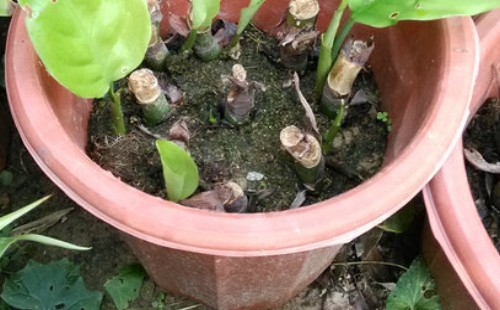
Complete Guide to the Timing and Methods of Propagating Chinese Evergreen by Cuttings
Chinese evergreen can be propagated into young plants not only by sowing seeds and division, but also by means of cuttings. By comparison, propagating Chinese evergreen by cuttings is simpler and less troublesome than sowing seeds, yet it is not as cruel as division, which easily causes wounds. Therefore
条件筛选