-
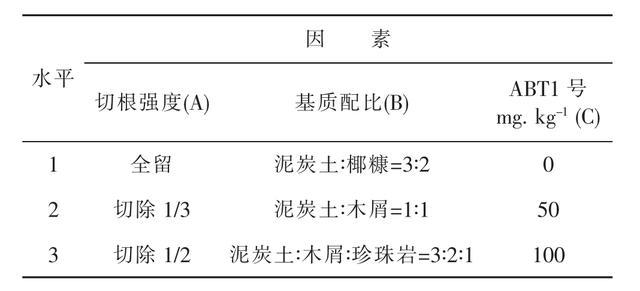
Detailed Explanation of Key Techniques for Raising Cinnamomum camphora Seedlings in Lightweight Substrate Mesh Bags
Research on the Technique of Raising Cinnamomum camphora Seedlings in Lightweight Substrate Mesh Bags. Cinnamomum camphora (L.) Presl. is an evergreen large tree of the family Lauraceae (Lauraceae), and is an excellent spice, valuable timber and street-greening tree species. In recent years, it has gradually become...
-

How to prune bonsai? Master the three-cut and three-no-cut techniques
Pruning branches is an important means of creating bonsai and is directly related to the speed at which a bonsai takes shape and the level of its quality. To maintain the posture of a small bonsai, the bonsai must be pruned. Especially in summer, because temperature, water and nutrients are abundant,...
-
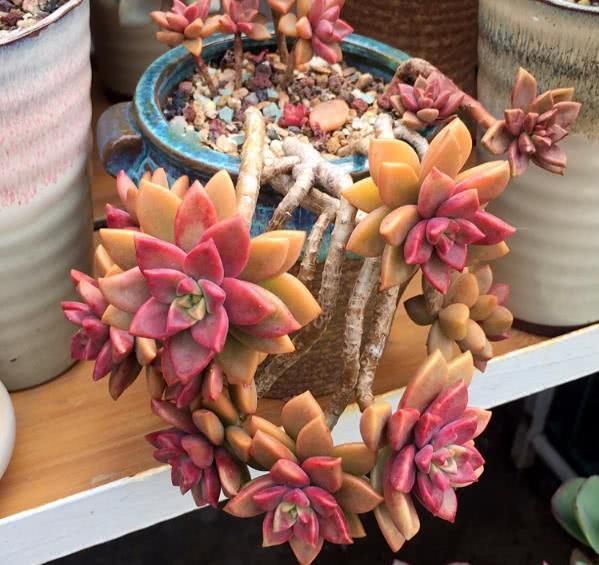
Succulent propagation techniques: These factors determine the survival rate
Leaf propagation is one of the main ways to propagate succulents, and many succulents can be propagated by leaf. Most people do leaf propagation in spring and autumn, but in fact many flower lovers also propagate succulents by leaf in winter. Some succulent lovers...
-

Five Vertical Gardening Techniques That Teach You to Grow a Whole Garden and Vegetable Patch from Discarded Bottles
In everyday life, many people want a garden or vegetable patch of their own, but we simply do not have that much space. In this situation, many people just give up, but some veteran gardeners choose another way to make it happen...
-
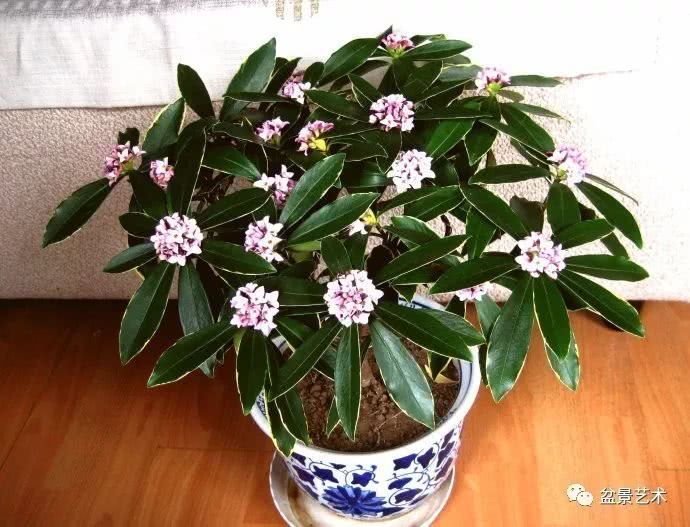
Detailed Guide to Making and Techniques for Daphne Bonsai
(1) Botanical Knowledge Belongs to the Thymelaeaceae family, Daphne genus. Evergreen shrub, smooth stems. Leaves alternate, oblong, mostly clustered at the branch tips, entire margins, deep green and glossy. Blooms from March to May, capitate inflorescences terminal, corolla yellow-white to pale...
-
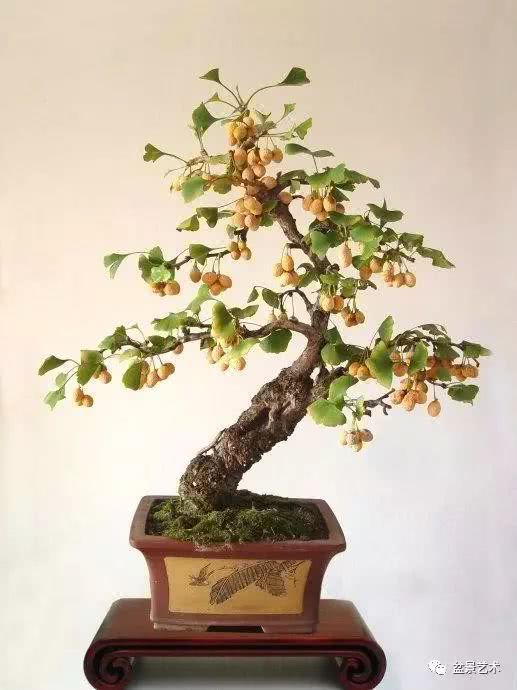
Detailed explanation of ginkgo grafting techniques: master the grafting methods and timing
Female ginkgo trees are often pollinated artificially to promote fruiting, which frequently leads to either too much or too little fruit, and when there is too much fruit, the ginkgo tree is often "worn out." Grafting male scions onto female ginkgo trees allows natural poll...
-
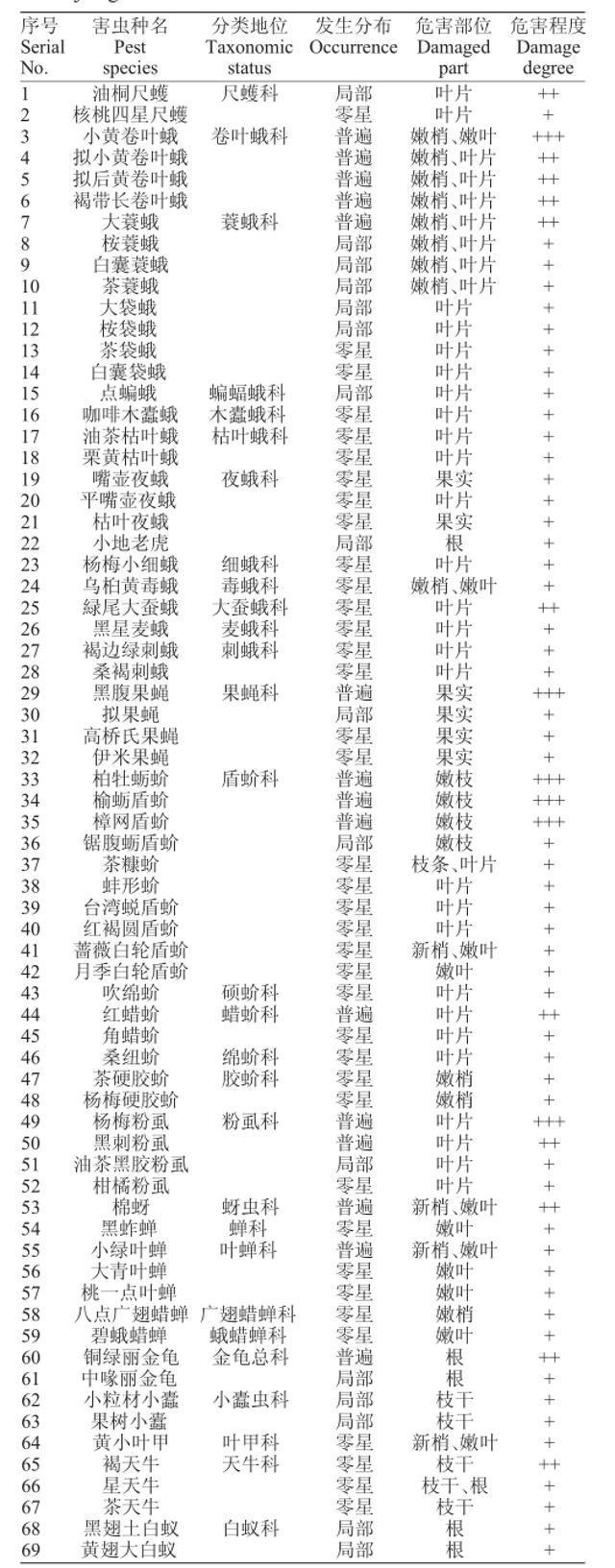
What types of pests and diseases affect bayberry? Occurrence patterns and green control techniques in Zhejiang
Species and Occurrence Patterns of Bayberry Pests and Diseases in Zhejiang Province and Their Green Control Techniques 0 Introduction [Research significance] Bayberry [Myrica rubra (Lour.) Sieb. et Zucc.] is a distinctive fruit of southern China, with a sweet-and-sour taste and unique flavor, enjoying a high reputation both domestically and internationally. Zhejiang Province is the main bayberry production area in China, with a total planting area of 86,500 ha, accounting for about one-third of the national total, an annual output of about 500,000 t, and an output value of 4.83 billion yuan, ranking first in output value among fruits in Zhejiang Province. It is the leading industry for farmers in mountainous and semi-mountainous areas of Taizhou, Wenzhou, Ningbo, Lishui, and Jinhua. In recent years, the bayberry industry in Zhejiang has developed rapidly, especially with the continuous expansion of the planting area of Dongkui bayberry, and the occurrence of pests and diseases has shown an increasingly severe trend, with heavy control tasks and great safety hazards. Therefore, identifying the main pest and disease species and their occurrence and damage patterns in Zhejiang bayberry, and proposing control strategies and green control techniques, is of great significance for ensuring the sustainable and healthy development of the bayberry industry and increasing farmers' income. [Previous research progress] To date, there have been many studies on the main pests and diseases, occurrence patterns, and control techniques of bayberry in various main production areas of Zhejiang Province. Wang Hongxiang et al. (1999), Gong Jieqiang and Wang Hongxiang (2002) reported that the main diseases damaging bayberry in Taizhou City, Zhejiang Province include brown spot disease, cancer disease, red coat disease, dieback disease, branch rot disease, and shoot blight disease, and the main insect pests include scale insects, whiteflies, oil tung geometer moths, leaf roller moths, bagworm moths, and termites. They analyzed the reasons for the increase in pest and disease occurrence and proposed corresponding control measures, but did not go deep into specific pest and disease species investigation and green control techniques. Liu Yougao et al. (2006) reported the occurrence characteristics and control techniques of bayberry cancer disease, brown spot disease, scale insects, and moths in Wenzhou City, Zhejiang Province, but there has not yet been a systematic investigation of other pest and disease species of bayberry, and most of the chemicals introduced in chemical control are not registered on bayberry, making safe pesticide use a difficult problem. Liu Gaoping et al. (2013) and Zou Xiuqin et al. (2015) reported simple net-room cultivation and green control techniques for Dongkui bayberry. Ren Haiying et al. (2014) reported the occurrence and control of bayberry wilt disease and slug moth pests. [Entry point of this study] From the overall research status, the investigation of bayberry pest and disease species and control techniques in Zhejiang is still not systematic and in-depth enough, and the various measures of agricultural, biological, physical, and chemical control still lack organic coordination and matching, thus affecting the implementation of integrated control techniques and the improvement of economic, social, and ecological benefits. [Key problems to be solved] Using a combination of systematic general survey and fixed-point monitoring, experimental research, and demonstration and extension, the main pest and disease species, distribution, and damage conditions of bayberry in the main production areas of Zhejiang Province were investigated, and the green control techniques and integrated management strategies for main bayberry pests and diseases were explored, providing a scientific basis for bayberry pest control.
-
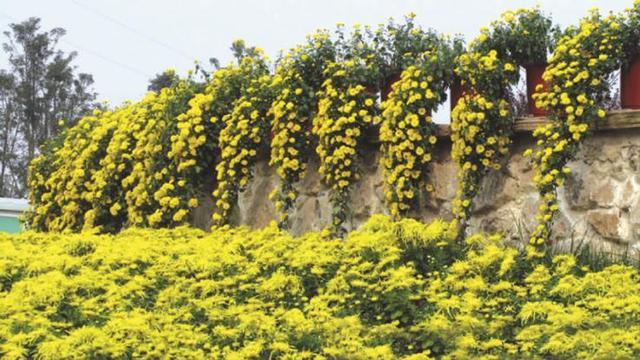
Key Techniques for Propagation and Management of Potted Cascading Chrysanthemums
Propagation and Management of Potted Cascading Chrysanthemums. The cascading chrysanthemum is a training and planting method for chrysanthemums that makes use of the characteristics of small chrysanthemums, such as abundant branching, slender and pliable stems, and dense flowering, to imitate the natural drooping posture of wild chrysanthemums in the mountains. The plant is trained into a pendulous, cliff-like form, and with...
-
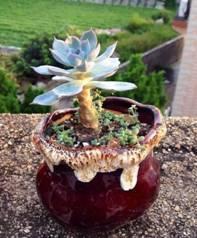
Detailed Explanation of Propagation Methods and Care Techniques for the Succulent Echeveria peacockii
Propagation and Care Techniques for the Succulent Echeveria peacockii 1 Introduction Echeveria peacockii "desmetiana", also known as Peacock's Echeveria, is a succulent plant in the Crassulaceae family, genus Echeveria. Because its rosette-shaped leaf disc closely resembles a blooming...
-
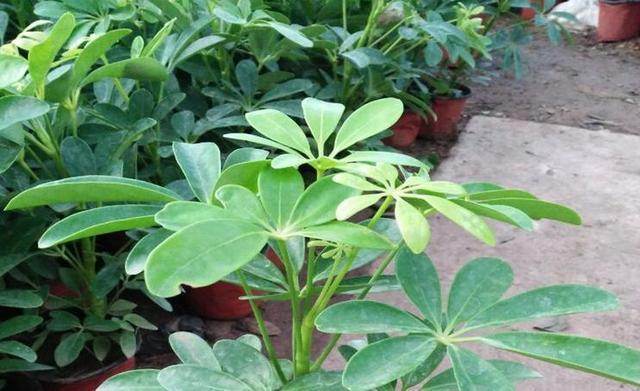
Schefflera Cultivation Techniques: Propagation Methods and Pest and Disease Control
Schefflera Propagation and Pest and Disease Control Cultivation Techniques 1 Growth Habit Characteristics Schefflera prefers moisture and fears dryness, and dislikes direct strong sunlight. The suitable growth temperature is 16-27 °C. Under conditions of high air humidity and sufficient soil moisture, the stems and leaves grow luxuriantly. Gro...
条件筛选