-
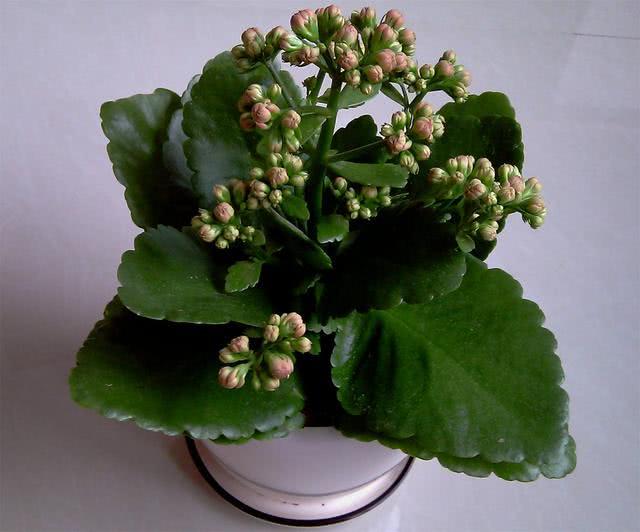
Kalanchoe Summer Cutting Techniques and Leaf Cutting Precautions
We are constantly making progress in planting techniques. Many plants are now propagated by cuttings. We no longer use traditional growing methods; instead, we use cutting methods to ensure excellent plant varieties, and this method can also...
-

Only 2 Hours of Sunlight? Learn 3 Techniques to Grow Roses Well
Many flower enthusiasts grow roses, but because of their environment, the sunlight hours are not long enough, and it is semi-shady all year round, so they always feel it is not suitable for growing roses. In fact, even if there are only 2 hours of sunlight, learning 3 techniques well will still let you grow roses well. Technique 1...
-
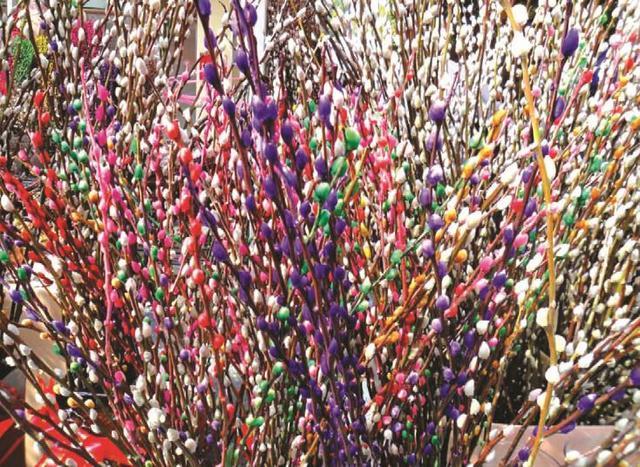
Cultivation Techniques for Silver Bud Willow: Propagation Methods and Pest and Disease Control
Propagation and Pest and Disease Control Cultivation Techniques for Silver Bud Willow. Silver bud willow (Salix leucopithecia), also known as silver willow, cotton willow, cat willow, silver bract willow, and pussy willow, is a deciduous shrub of the genus Salix in the family Salicaceae. Silver bud willow is native to northern China, and currently...
-

What techniques are there to improve the planting benefits of wintersweet trees
How can the planting benefits of wintersweet trees be improved? Wintersweet tree, also known as yellow plum blossom, fragrant plum blossom, fragrant plum, dried-branch plum, belongs to the family Calycanthaceae and the genus Chimonanthus. The fruit cup of the tree is nearly woody, urn-shaped or obovate-elliptical, 2-5 cm long, 1-2.5 cm in diameter, with a constricted mouth...
-
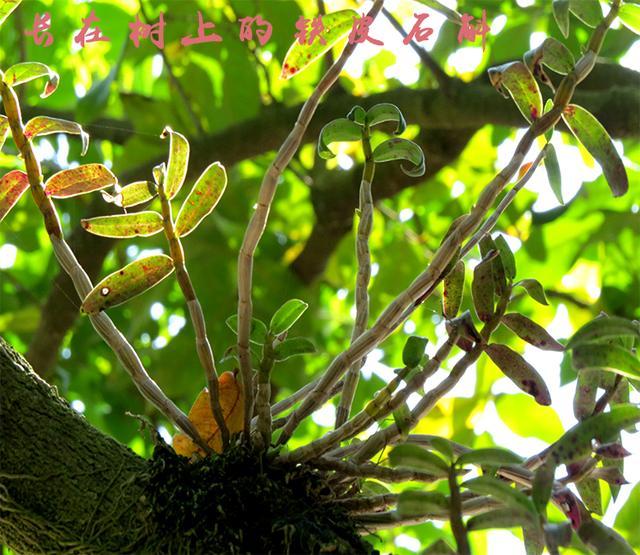
Understory Wild-Simulated Cultivation Techniques for Dendrobium officinale in Mengla County
Understory Wild-Simulated Cultivation Techniques for Dendrobium officinale in Mengla County 1 Introduction Dendrobium officinale has high health-preserving and wellness benefits and is a very precious and long-established medicinal herb in traditional Chinese medicine, known as the "first of the nine immortal herbs," with high value for artificial cultivation and industrial development....
-
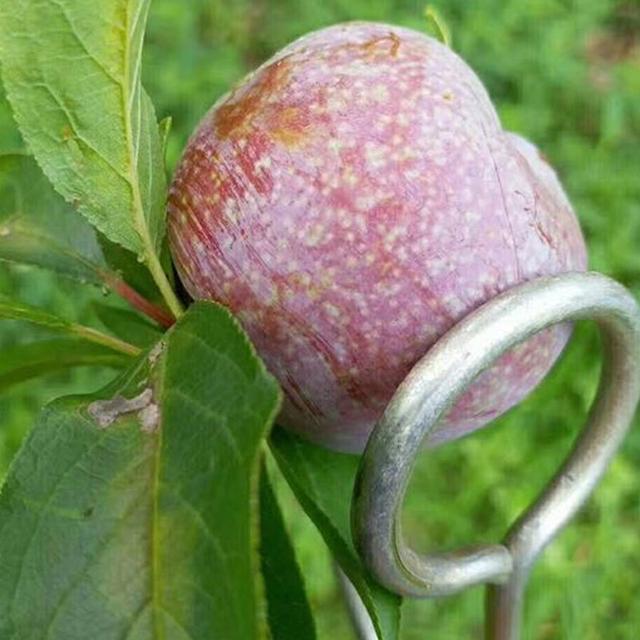
A detailed explanation of the morphological characteristics, occurrence patterns and key control techniques of the Shanhua plum longhorn beetle
Morphological characteristics, occurrence patterns and key control techniques of the Shanhua plum longhorn beetle 1 Morphological characteristics 1.1 Adult The body is long and cylindrical, with the front end of the body expanded into a round shape, resembling a head; the head is flexible, the back is slightly flattened, and there is a pair of exceptionally long antennae, the antennae...
-

Compost Stinks and Attracts Pests? Avoid These 12 Things and Learn Healthy Composting Techniques
Making some compost yourself is very beneficial: it not only reduces how often you use pesticides, but also saves a lot of money and improves the soil in your yard. Below we discuss how to avoid problems and make composting healthier and simpler...
-
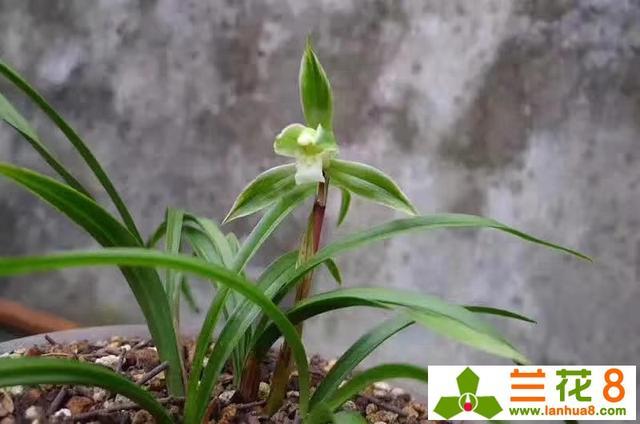
How to Grow Cymbidium faberi? A Detailed Guide to Care Techniques and Key Cultivation Points
Cymbidium faberi, also known as Jiuhua Orchid, Jiuzi Orchid, Jiujie Orchid, Xia Orchid, Bamao Orchid, Huoshao Orchid, Xing Orchid, and others, blooms from March to May. Its pseudobulbs are inconspicuous, its root system is thick and long, and its plant form is tall. Its leaves are just a little broader and larger than those of Cymbidium goeringii, relatively rough, with serrated edges. One stem bears multiple flowers, with large flowers rising above the leaves, usually 5-15 blooms. The floral fragrance is rich. It is cold-tolerant and drought-tolerant, has a long cultivation history in China, and is deeply loved by Chinese people. Growing it is also very simple; usually you only need to pay attention to the following points.
-
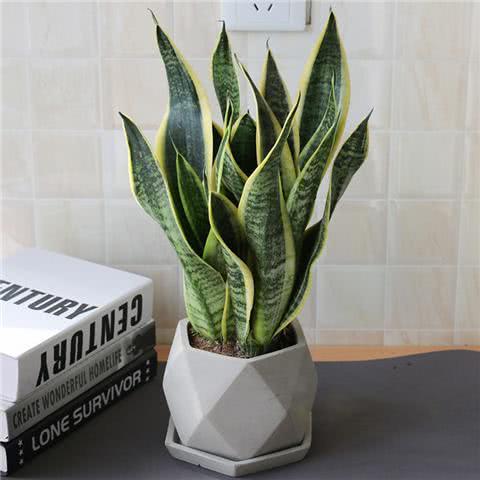
Fertilizing Snake Plants: Techniques to Make Them Thrive and Grow Huge
Snake plant leaves are upright and sturdy, the plant has an attractive form, and it can also purify the air. So how should you fertilize a snake plant? Today let's learn about it together. Fertilizing techniques for snake plants: (1). When planting or repotting a snake plant, apply plenty of base fertilizer at the bottom of the pot. You can add duck manure at the bottom of the pot as base fertilizer. With enough base fertilizer, no fertilizer is needed in the later stages of growth. The snake plant itself has the ability to resist drought and tolerate poor soil. Then place it in a ventilated spot with bright light for care, which is good for growth and promotes flowering.
-
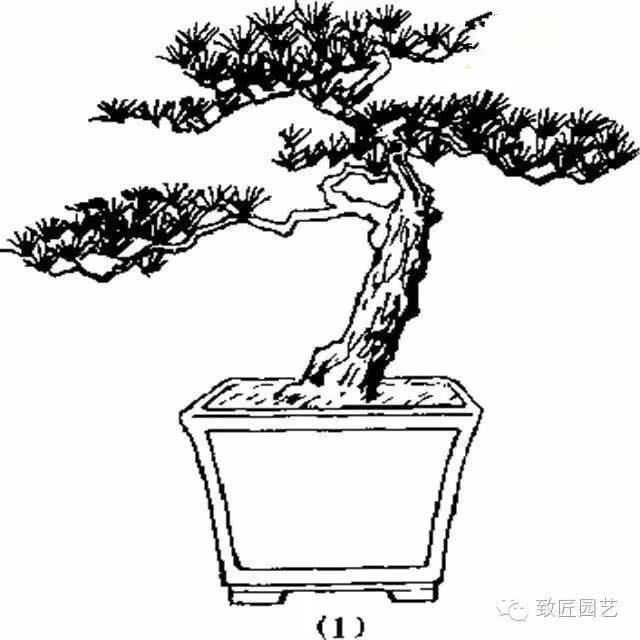
Detailed Explanation of Bonsai Repotting Methods, Intervals and Techniques
I. Purpose of Repotting The main purpose of repotting is to replace the potting soil and the pot, and to enhance the ornamental value of the bonsai. 1. Renewing the potting soil. The potting soil is the material foundation on which the bonsai plant depends for survival. After 1 to 2 years of cultivation, the root system of a potted flowering plant...
条件筛选