Detailed explanation of ginkgo grafting techniques: master the grafting methods and timing
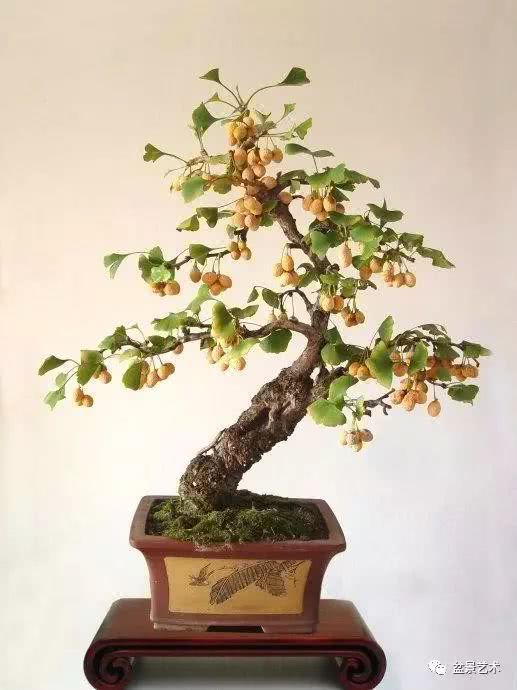
Female ginkgo trees are often pollinated artificially to promote fruiting, which frequently leads to either too much or too little fruit, and when there is too much fruit, the ginkgo tree is often "worn out." Grafting male scions onto female ginkgo trees allows natural pollination, so there is no need to worry that years of artificial pollination and excessive fruiting will affect the normal growth of the ginkgo. So, how should male scions be selected?
1. Choose male scions with a later flowering period
After male ginkgo flowers mature, the pollen sacs release large amounts of pale yellow pollen; this is called the flowering (pollen-shedding) period, and the full bloom period generally lasts only about two days. When the ovules of the female flowers mature, pollination fluid seeps from the micropyle to form a droplet, known as "sexual water"; this is the flowering period, which lasts about 1 week. Only when pollen from the male flowers drifts onto the "sexual water" can the female flowers be fertilized and set fruit. Male trees generally bloom earlier, so the overlap with female tree flowering is low and the natural pollination rate is not high. Therefore, male branches that flower later and bloom at the same time as the female should be selected as scions for grafting.
2. Choose male scions with a larger number of flowers
According to surveys, some male trees have 1-3 male flowers per axillary bud (referring to axillary buds containing male flowers, the same below), while other male trees have 5-9 male flowers per axillary bud. Male branches whose axillary buds contain more male flowers should be selected as scions.
3. Choose male scions with a longer flowering time
The full bloom period of male flowers generally lasts only about two days, but some male trees have a longer pollen-shedding period, with the full bloom period reaching more than 4 days. When selecting scions, choose from those male trees with a longer pollen-shedding period.
4. Choose two male scions with different but not greatly differing pollen-shedding periods
To avoid male flowers rotting and affecting normal pollination due to continuous rainy weather during the flowering period, when grafting male branches onto the mother tree, two male scions with different but not greatly differing flowering periods should be selected. It is best if the pollen-shedding peak of one male branch (scion) is 2-3 days earlier than the flowering peak of the female tree, and the pollen-shedding peak of the other male branch (scion) is 1 day later than the flowering peak of the female tree, so as to ensure fertilization of the female ginkgo flowers.