-

Northeast japonica rice market remains stable, with the "strong paddy, weak rice" trend prominent
Recently, the Northeast japonica rice market has been operating steadily, with the "strong paddy, weak rice" feature prominent. Unlike the sharp rise in long-grain paddy, against the backdrop of strict moisture and impurity deductions at state reserve warehouses, round-grain paddy has performed relatively steadily, with only low-moisture paddy seeing an increase of about 2-3 fen compared with last month
-
Vegetable labels are dazzling: why do vegetable prices differ tenfold?
Organic vegetables, premium vegetables, healthy vegetables, pollution-free vegetables, green vegetables... Nowadays, anyone buying vegetables is confronted with so many labels, and prices between different labels differ severalfold or even more than tenfold. Consumers say, with so many vegetables, which one to buy
-
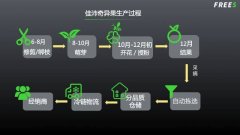
The case of how Zespri Kiwifruit became a billion-dollar brand through stable production
To build a fruit brand, large-scale production with stable quality is an essential prerequisite. Next, we attempt to use the case of the New Zealand kiwifruit producer Zespri to explain how technological upgrading and organizational change reduce the impact of the natural environment
-
What methods are there for detecting pesticide residues in vegetables?
Pesticides are very difficult to wash off completely with water. Water-soluble pesticides in particular are absorbed by plants through the roots and enter the plant body, making them impossible to wash away; fat-soluble pesticides, on the other hand, do not dissolve in water and are hard to wash clean with water, while using fruit and vegetable cleaners carries the risk of secondary contamination from ingesting the cleaner itself.
-
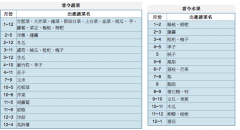
What does "in-season vegetables" mean? A guide to the timing of in-season vegetables now
In the past, vegetables were only produced within limited time periods, but now with new technology we can see any vegetable all year round; however, today's vegetables are not as nutritious as before. Every fruit and vegetable has a season best suited to its growth, called "
-
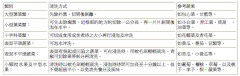
How should fruits and vegetables be washed to remove pesticide residues thoroughly?
Today's vegetables and fruits are all sprayed with pesticides, and pesticide residues are also very serious, so how should we wash them to minimize pesticide residues? Excessive nitrogen fertilizer on fruits and vegetables - beware of cancer. Although eating fruits and vegetables is good for health, when nitrogen fertilizer is used excessively, the nitrate present in leafy vegetables can trigger diseases such as esophageal cancer, gastrointestinal cancer and liver cancer.
-
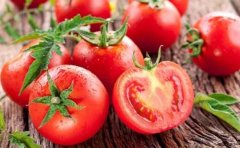
How do you wash fruits and vegetables to get rid of pesticide residue thoroughly?
How to wash fruits and vegetables so you can eat with peace of mind: To remove pesticide residue from the surface of fruits and vegetables, consumers usually have to treat them before eating. The following methods, such as washing, peeling, storing and cooking, can all remove pesticide residue, letting people eat with peace of mind. Let's take a look.
-
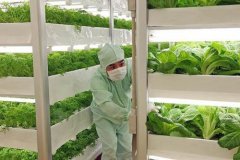
Can organic vegetables be sprayed with pesticides to kill insects?
Organic vegetables are still sprayed with pesticides, is this really okay? How can consumers be deceived like this? It is precisely because of this matter that some people have been harmed. Let's take a look together. In December of year 87, Consumer Reports magazine published the news item "Organic Vegetables Are Still Sprayed with Pesticides"
-
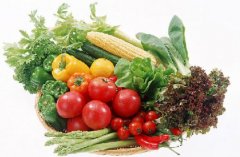
What are the reasons for the excessively high nitrate content in leafy vegetables and root vegetables?
Pesticide residues in vegetables and fruits have always been a concern for everyone, so what are the reasons for pesticide residues in vegetables and fruits? The problem of pesticide residues in vegetables and fruits is generally serious. Chen Shixiong, head of the Department of Agronomy at Chung Hsing University, pointed out that leafy vegetables are the crops most prone to nitrate residue. If you want to eat bok choy
-
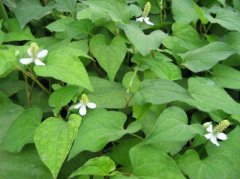
How do vegetables get nitrogen fertilizer applied? Signs and dangers of excessive nitrogen fertilizer
It is worth noting that nitrate ions, upon contact with digestive enzymes in saliva, are converted into nitrosamines, a chemical compound that the medical community has confirmed to be a carcinogen. Therefore, Professor Zheng Zhengyong reminds the public that just as the Department of Health encourages children to eat more fruits and vegetables, they should also
条件筛选