What are the reasons for the excessively high nitrate content in leafy vegetables and root vegetables?
Pesticide residues in vegetables and fruits have always been a concern for everyone, so what are the reasons for pesticide residues in vegetables and fruits?
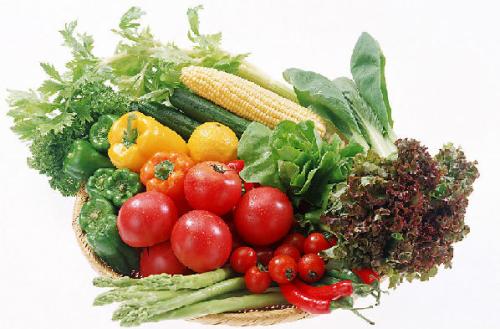
The problem of pesticide residues in vegetables and fruits is generally serious. Chen Shixiong, head of the Department of Agronomy at Chung Hsing University, pointed out that leafy vegetables are the crops most prone to nitrate residue. If you want to eat bok choy, spinach, water spinach, or crown daisy, it is best to buy organic products or test them yourself to ensure safety. Sprouts and root vegetables such as carrots contain almost no nitrate, so you can buy and eat more of them with peace of mind.
When Director Chen Shixiong gave a speech yesterday on "Organic Agriculture and a Healthy Life" at the invitation of the Taichung Organic Life Association, he cited relevant reports and pointed out that about 100,000 tons of vegetables and fruits containing pesticide residues exceeding the standard amount are eaten by consumers across Taiwan each year. Many farmers do not dare to eat the vegetables and fruits they grow themselves. Because nitrate in pesticides has the possibility of causing cancer, organic vegetables produced by natural farming methods are the best choice for consumers. He suggested that the government establish a reliable inspection and certification standard as early as possible.
He analyzed the reasons for nitrate residue in vegetables and fruits. The first is improper fertilization: farmers force crop growth and therefore add too much nitrogen fertilizer, causing nitrate residue in vegetables and fruits. The second is the use of net house cultivation, which prevents nitrate from being fully released through photosynthesis, so it remains in the vegetables and fruits. The third is poor soil drainage, which leads to excessively high nitrate residue. The fourth is harvesting right after typhoon days, because the vegetables and fruits cannot carry out photosynthesis during continuous rainy days, resulting in residue.
The nitrate content standard for processed foods set by our country's Department of Health is below 70 ppm. The test paper packaging box is marked with labels showing the nitrate content represented by various colors. Use nitrate test paper to touch crushed or ground vegetable juice, and observe the color change of the test paper.
When buying vegetables, you must choose carefully and not be too careless.