-
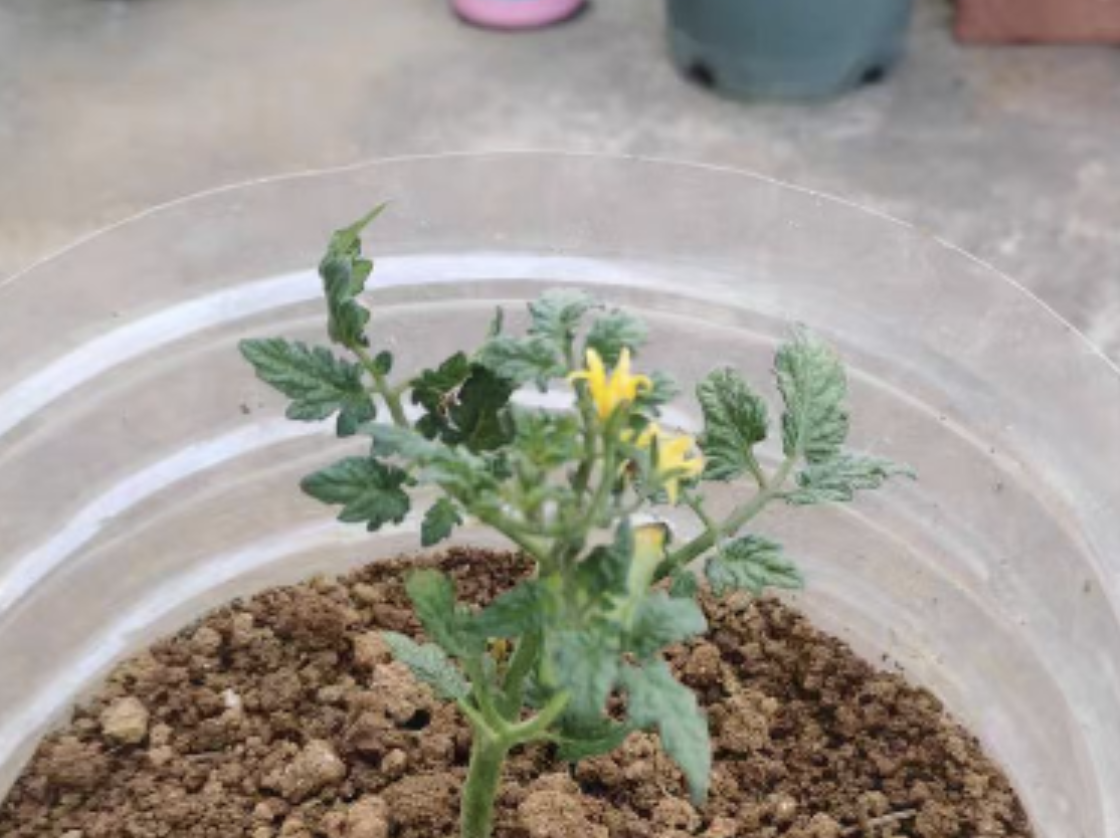
What are the benefits of watering tomatoes with rice washing water?
Do you usually throw away the leftover rice washing water after cooking rice? Actually, this seemingly ordinary and useless rice washing water is a treasure
-
Reasons for Root Rot in Water-Cultured Phalaenopsis and How to Care for It After Washing the Roots
Many gardening enthusiasts want to try growing Phalaenopsis (moth orchid) in water but always fail at the early stage. In fact, the problem often lies in the step of "washing the roots"! The core difference between water culture and soil culture is the change in the root environment. Roots that have not been treated still carry old potting medium and pathogens, and putting them directly into water easily leads to root rot and withering. Today we will share in detail the root washing for water-cultured Phalaenopsis.
-

Can You Clean Phalaenopsis Leaves in High Temperatures? Here's the Best Way to Wash the Leaves
The weather has been getting hotter and hotter lately, and quite a bit of dust has settled on the Phalaenopsis leaves at home. Many flower lovers are worrying: can we take advantage of the high temperatures to clean the leaves? How should we wash them without harming these delicate flowers? Phalaenopsis is a delicate tropical plant, and it easily suffers heatstroke above 30°C. If you wipe the leaves with water at noon under 35°C
-
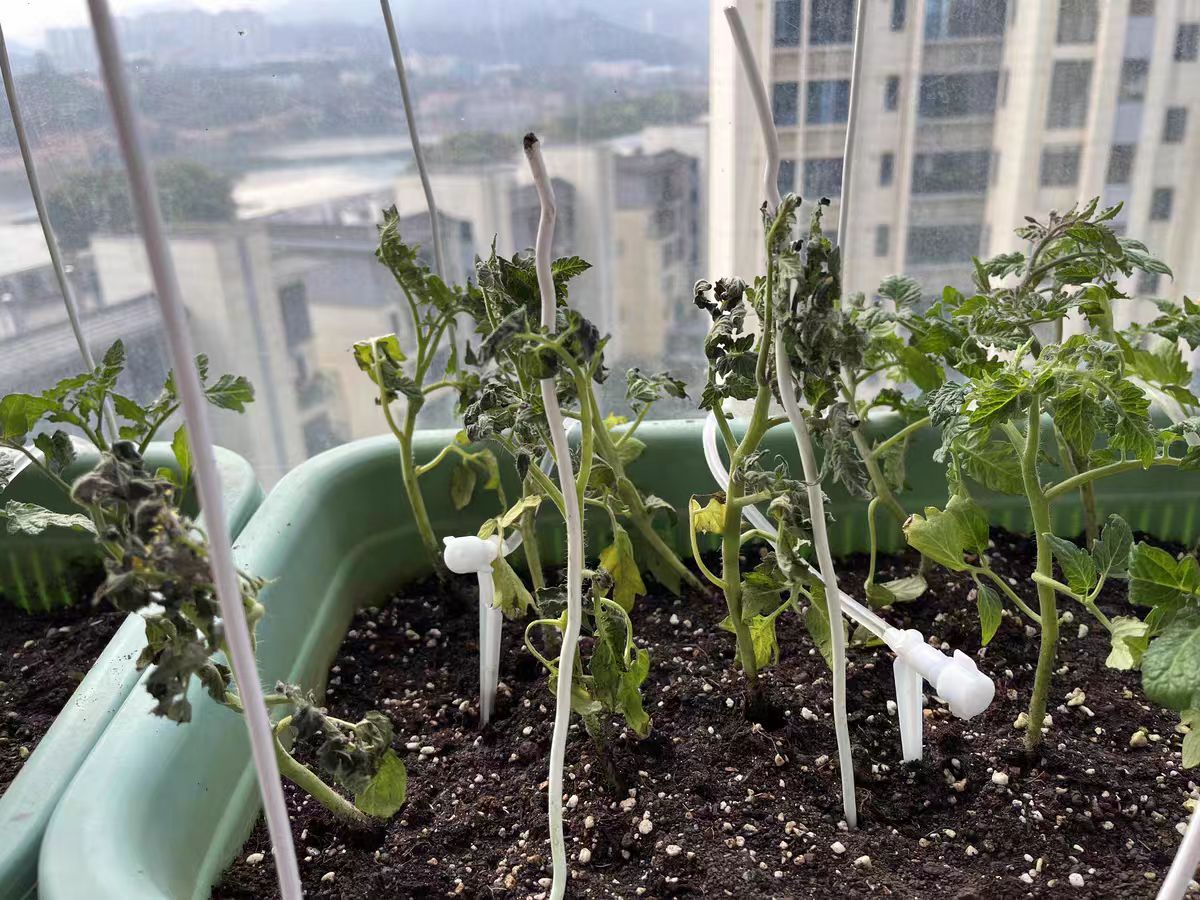
Can tomato plants be watered with rice-washing water?
After cooking, do you usually pour out the leftover rice-washing water? In fact, this seemingly ordinary and useless rice-washing water is a treasure for
-

Is it safe to eat bayberry without washing? Here's how to wash it properly to remove the bugs
Jingzhou bayberries are about to turn red again, and the season for eating bayberries is almost here. Do you know the right way to eat bayberries? That is, without washing, picked straight from the tree and eaten right away. This is how the local bayberry farmers of Jingzhou in Huaihua eat them. Many people will have doubts and debates. Don't bayberries have
-
What Is High-Bed Farming? A Detailed Guide to Its Advantages
No need to wash the pig pens, and pig manure and urine do not need to be separated; they are mixed directly with bedding material, turned and piled for fermentation, and turned into organic fertilizer. This high-bed pig farming model not only helps pig farms solve the difficult problem of waste disposal and helps them save energy and increase efficiency, but it is also favored by World Bank environmental protection projects
-
Can You Still Eat an Australian Lobster After It Dies? A Simple and Clean Way to Wash It
When it comes to Australian lobster, everyone surely knows it. This kind of lobster is not only large but also meaty and delicious, so it is very popular. However, because those sold in markets, restaurants and hotels are relatively expensive, many people like to buy their own and cook them at home, but the lobster they bring home does not stay alive for long before it dies, so
-
Are there parasites in river snails? This is how to wash them clean
From late March to early April is when river snails are at their plumpest and most delicious. At that time many people go to the riverbank to gather some and bring them home to make all kinds of dishes. But since river snails, like crayfish, must be washed clean before eating, how do you wash river snails so they are clean? Do they contain parasites?
-
How to store fresh chili peppers so they last longer
After washing fresh chili peppers, put them in a sealable container and add edible salt; this way they can be stored for about two years. You can also sun-dry the fresh chili peppers, then put them in a clean bag and store them in a dry place. You can also add water to a crisper box, and place the chili peppers
-
How do you kill a snakehead fish cleanly? Let me teach you the correct method for slaughtering it
First wash the mud or dust off the snakehead fish, then hold the fish body down with your left hand and use the back of a knife in your right hand to strike the top of the fish's head hard to stun it. Put the fish in the sink and scrape off the scales, then dig out the gills, then use a knife to slit open the fish belly and take out the internal organs, and finally rinse it clean with water
条件筛选