-
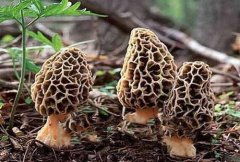
Who should not eat morel mushrooms? Raw-eating poisoning risks and main production areas
The morel mushroom gets its name because its shape closely resembles a sheep's stomach, so it is called morel. Wild morels are distributed in China's Shaanxi, Gansu, Qinghai, Tibet, Xinjiang, Sichuan, Shanxi, Jilin, Jiangsu, Hebei, Beijing, Hunan, Guizhou and other regions. Now
-
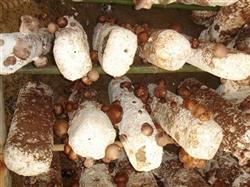
What is the suitable humidity during the growth and development period of shiitake mushrooms?
What humidity is suitable during the growth and development period of shiitake mushrooms? I would also like experienced readers to help explain. Shiitake mushrooms have long been known as the "king of mountain delicacies" and are a high-protein, low-fat nutritional health food. Shiitake mushrooms have a very high ergosterol content, which is effective in preventing and treating rickets; moreover, lentinan (beta-1,3-glucan) can...
-
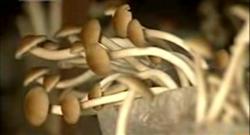
Tea Tree Mushroom Cultivation: What Kind of Environment Is Suitable for Growing Tea Tree Mushrooms?
What kind of environment is suitable for growing tea tree mushrooms? Here is an introduction to the suitable growing environment for tea tree mushrooms (for reference): 1. Growing temperature for tea tree mushrooms: mycelium growth temperature 5-30°C, optimum 21-28°C; fruiting body growth temperature 13-25°C, optimum 22-24°C; different strains have different requirements, and primordium differentiation does not...
-
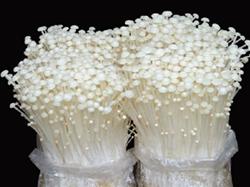
Enoki mushroom cultivation techniques and suitable growing environment conditions
What kind of environment is suitable for enoki mushroom growth? Please give an introduction. The enoki mushroom is a wood-rotting fungus that can utilize monosaccharides, cellulose, lignin and other compounds in wood. However, its ability to decompose wood is relatively weak, and after hard trees are felled, fruiting bodies cannot grow unless a certain degree of decay has been reached. Aged broadleaf...
-
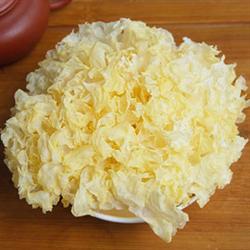
What season is suitable for cultivating white fungus (Tremella fuciformis), and what are the commonly used formulas?
What season is suitable for cultivating white fungus (Tremella fuciformis), and what are the commonly used formulas? Please give an introduction. Cultivating white fungus requires selecting a suitable cultivation period based on its biological characteristics and in combination with the climate environment of the cultivation region. Usually, inoculation and cultivation are arranged in spring from March to April and in autumn from September to October. If temperature can be regulated, it can be cultivated all year round....
-
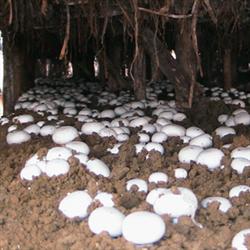
What is the most suitable season for growing button mushrooms?
In which season is it suitable to grow button mushrooms? Please explain that the button mushroom (Agaricus bisporus) is a low-temperature fruiting fungus, producing fruiting bodies only below 18°C, with the optimum fruiting temperature at around 16°C. Therefore, the cultivation season is mostly arranged in autumn and winter and extends into early spring. Because of climate differences and local microclimates in different regions, it can...
-
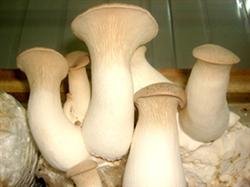
What is the suitable growing temperature for king oyster mushrooms?
Control the environment and try to keep the ambient temperature within the growing range; the growing temperature for king oyster mushrooms is 6°C to 25°C. At 6°C to 15°C, the fruiting body grows slowly, but its tissue is dense and its color is attractive, so high-quality mushrooms can be cultivated. For management during the bud stage, first increase ventilation, as only then can the cap growth be promoted and the stipe growth be inhibited...
-
Several key techniques for high and stable yields in straw mushroom cultivation
1. Straw mushrooms prefer a high-temperature, high-humidity environment. After the compost is brought into the mushroom house, its moisture content must be strictly controlled, and over-aged spawn must not be used; keep the mushroom house temperature at around 30°C. 2. Because straw mushrooms are aerobic fungi, they need plenty of water; too much ventilation easily leads to water loss and death, while too little ventilation easily causes excess carbon dioxide and oxygen deprivation...
-

Two rare mushroom varieties suitable for summer and autumn cultivation
1. EC55 long-root mushroom (Oudemansiella radicata). Its fruiting body is tall and upright, beautiful and attractive, shaped like an open sun umbrella, with a cap (pileus) 8-15 cm wide, light coffee-colored, and a stalk (stipe) 20-55 cm tall, 1-2 cm thick, white to light brown, with white flesh, fine and delicate texture, crisp and tasty stalk, and delicious flavor. It has high nutritional and medicinal value, rich in protein, amino acids, carbohydrates, vitamins and various mineral elements. Regular consumption can strengthen the body and boost human immunity, and for patients with high blood pressure
-
Morel mushrooms become a new star food on the dining table
Known as the "king of mushrooms", the morel is a very precious fungus in the world, a premium nutritional tonic, with a natural function of tonifying the kidney and strengthening yang. According to measurements: morel mushrooms contain 28.1% protein, 4.4% crude fat, and as many as 20-plus kinds of amino acids, accounting for 48.47%; in particular, the content of the 8 essential amino acids for the human body is very high, making up 44.14 of the total amino acids, among which arginine has the highest content, becoming an important factor in tonifying the kidney and strengthening yang. In addition, morel mushrooms also contain a large amount of hormones and other nutritional components. It is both
条件筛选