-

What are the common diseases of small-leaved Syzygium buxifolium? These 3 need early detection and early treatment
Has your pot of small-leaved Syzygium buxifolium been looking a bit "droopy and listless" lately? Either the leaves develop spots, or the branches get moldy, or even the whole plant wilts. In fact, it is mostly down to common diseases. Today let's talk about the 3 diseases that small-leaved Syzygium buxifolium is most prone to, and how to identify and save them. The first and also the most common one is
-

How to tell if a flowering plant has root rot? Detect it early and treat it early so your plants grow better
In the process of growing flowers, the most troublesome problem is root rot, because once you water too much, the plant's roots may rot, and it is also rather troublesome to deal with. Some people also fail to notice that the plant's roots have already rotted, which causes the plant to die outright.
-
Pesticide Residues Are Highly Harmful: A Detailed Explanation of Detection and Prevention Methods
The use of pesticides is an unavoidable step in modern agriculture, but pesticides that remain on agricultural products due to improper pesticide use or ineffective detection will bring serious harm to the human body, agricultural products, and the production environment. Understanding the detection standards, causes, and hazards of pesticide residues can help us better remove and prevent pesticide residues.
-
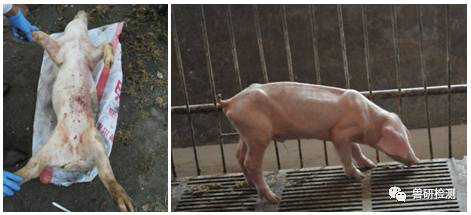
Detection Methods and Case Analysis of Porcine Circovirus Disease
Porcine Circovirus Disease and Detection Case Analysis
-
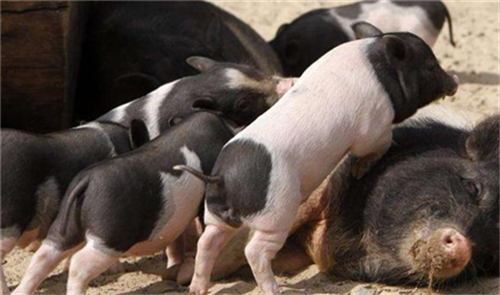
Porcine circovirus detection rate as high as 100%: how should pig farms deal with it?
Circovirus, circovirus again! The detection rate on pig farms is actually as high as 100%. How on earth should it be dealt with?
-
-
-
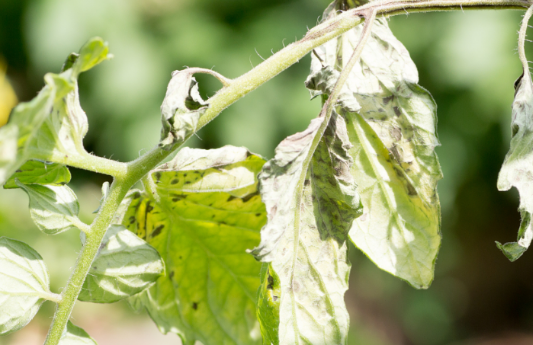
Plant diseases are contagious, and early detection and early prevention are key
Xiaozhi has recently been hearing from many friends telling me that the plants they grow have gotten sick and asking what the cause might be. Generally speaking, plant diseases can be physiological or pathological, just like in humans, and you need to treat the root cause. If you "misdiagnose," the plant ultimately still cannot be saved
-
Research Progress on Detection Technologies for Porcine Circovirus
Porcine circovirus disease is a class of viral infectious diseases caused by porcine circovirus (PCV) infection and characterized by immunosuppression, with the main clinical manifestation being postweaning multisystemic wasting syndrome in piglets caused by PCV-2. This article reviews the research progress in recent years, both domestically and internationally, on detection technologies for this virus, including virus isolation, electron microscopy, polymerase chain reaction, indirect immunofluorescence assay, immunohistochemistry, enzyme-linked immunosorbent assay, and in situ nucleic acid hybridization. Porcine circovirus disease
-
How to treat lice in pigs? Early detection and early prevention and control are key
Pig lice (haematopinus, hog lice) are a type of wingless small insect that parasitizes the body surface of pigs, mostly parasitizing the armpits, inner thighs, lower jaw, lower neck, and the wrinkled areas of the skin on the lower side of the body, and are also numerous behind the ear flaps. Pig lice suck the blood of pigs, causing the pigs' skin to itch and their mood to become restless and agitated, and in severe cases they can also cause skin damage in pigs, emaciation and anemia, affecting the growth and development of pigs, and they can occur throughout all four seasons. Healthy pigs can be directly infected through contact with lice-carrying diseased pigs, and can also be indirectly infected through equipment, bedding straw, and the like. Pig lice reproduce quickly and are good at crawling, and once a pig is infected
条件筛选