-
What is the difference between pesticide dusts and wettable powders?
What are the characteristics of dusts and wettable powders? How do dusts differ from wettable powders? Can dust and wettable powder pesticides be mixed? The following brief introduction from Gengzhongbang Planting Network is for netizens' reference. Dusts and wettable powders are two common pesticide formulations, and the physical properties of these two formulations...
-
Which crops is the fungicide chlorothalonil suitable for?
On which crops can the fungicide chlorothalonil be used? Please give an introduction. The fungicide chlorothalonil can be used on the following crops: 1. Control of rice blast. To control leaf blast, start spraying when disease centers appear in the field, then spray again after 7 days. To control panicle blast, spray once each at the booting stage and the full heading stage of rice. Each time per...
-
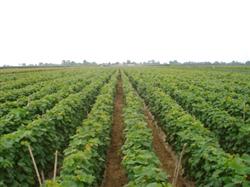
What are the methods for using herbicides on aquatic vegetables?
How can grapes be protected from herbicide damage? Please advise. According to surveys, the harm to grapes from herbicides is also becoming increasingly serious, especially for varieties that sprout and unfold leaves early, such as Vitis amurensis (Amur grape), which suffer particularly severe damage. The leaves of affected plants look as if they have been scalded with boiling water. Later they dry up and fall off, and the clusters also show varying degrees of wilting; in severe cases the berries...
-
How to apply plant growth regulators to fruits and vegetables
Scientific and rational use of several plant growth regulators can effectively control the growth of fruit trees and vegetables at different stages, improve their quality and yield, and increase economic benefits. 1. Ethephon 1. Physical and chemical properties. The pure product is a white crystalline solid, easily soluble in water and ethanol, poorly soluble in benzene and dichloroethane, and in acidic solution...
-
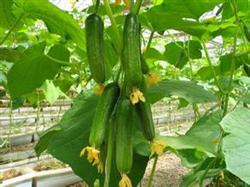
Which pesticides and insecticides can be used on pollution-free vegetables
Biopesticides: BT, whose Chinese name is Bacillus thuringiensis, is a bacterial insecticide. This variety has been fully used in the main vegetable-growing areas of our country and has achieved relatively good economic benefits. However, there are currently many BT manufacturers, and quality varies, so a high-quality variety must be selected when using it. Precautions: BT works...
-
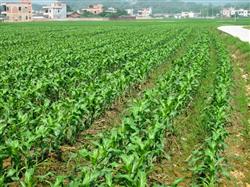
What are the commonly used herbicides for aquatic vegetable fields?
Properly grasp the application time, generally spraying after corn sowing; spraying herbicides when the ground is moist gives the best effect. Strictly control the dosage according to the amount stated in the instructions, using a reasonable dose; too much easily causes phytotoxicity, while too little fails to achieve the proper effect. Avoid spraying on windy days; when spraying, it is best to choose weather with wind...
-
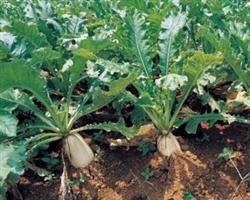
What herbicides are suitable for autumn radish fields
For pre-sowing soil sterilization, you can choose 48% trifluralin emulsifiable concentrate 100-150 ml (dosage per mu, the same below), 48% butralin emulsifiable concentrate 200 ml, 33% pendimethalin emulsifiable concentrate 100-150 ml, 50% acetochlor emulsifiable concentrate 75-150 ml, and spray each mixed with 50 kg of water. Trifluralin and similar products are prone to photodegradation and volatilization, which reduce efficacy, so immediately after spraying...
-
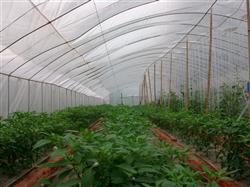
What herbicide is good for growing vegetables under insulation?
In seasons with lower temperatures, to bring vegetables to market earlier and sell them at a good price, in recent years the method of covering with plastic film has often been used to increase temperature and retain heat to promote early maturity and higher yields of vegetables, while also applying chemicals for weed control, which saves labor and increases efficiency. However, years of experience and lessons with chemical weed control under film tell us that if the selected...
-
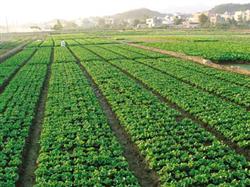
What are the key precautions for using herbicides in vegetable fields
In vegetable production, hoeing and weeding often accounts for more than 40% of the total labor used in vegetable field management. If chemical weeding is used, it can not only effectively control weeds and improve the quality and yield of vegetables, but also save a large amount of weeding labor and reduce labor intensity, but the following "eight precautions" must be observed....
-
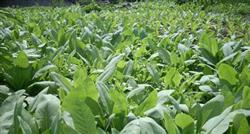
How to use herbicides in vegetable fields safely? Master these key application points
Weeds in vegetable fields are a major problem in vegetable production. Hand weeding is both labor-intensive and backbreaking, so the vast number of vegetable growers need to use herbicides in vegetable production. However, vegetables come in many varieties, have short growing periods, high multiple-cropping indexes, and complex crop rotations, and there are also many types of herbicides. If used improperly, they can easily cause herbicide damage, or even total crop loss...
条件筛选