-
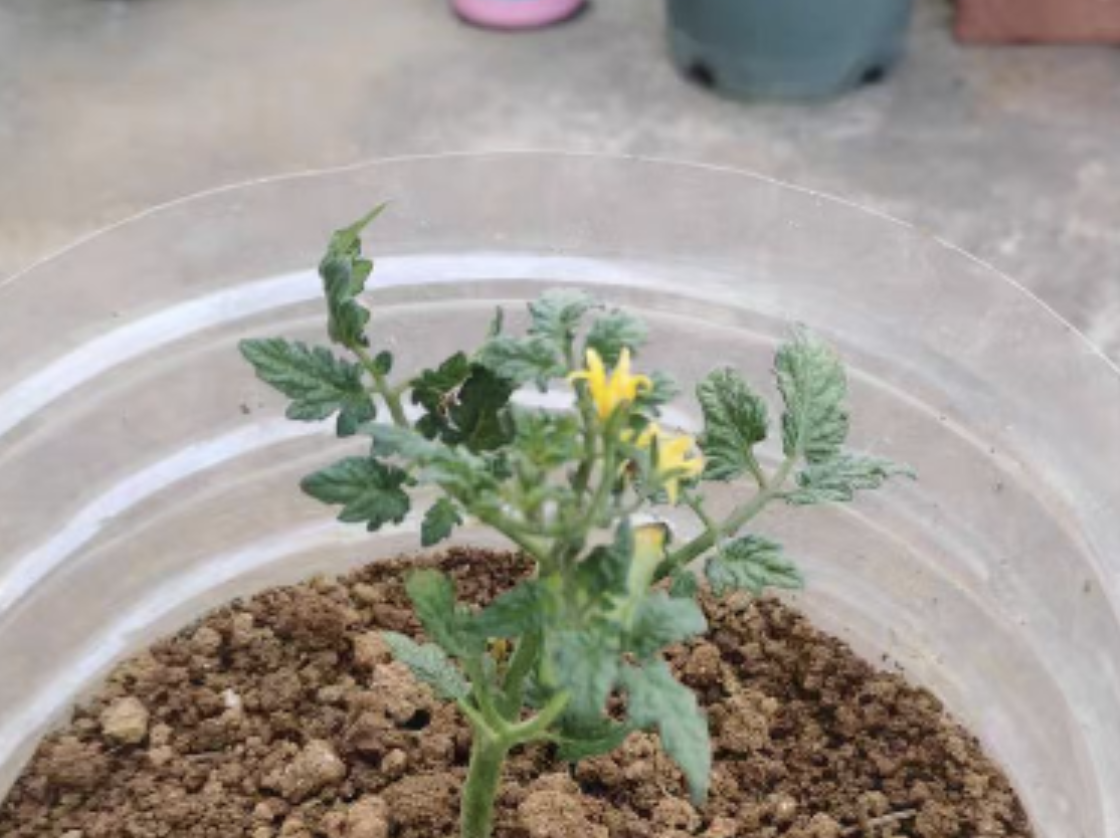
What are the benefits of watering tomatoes with rice washing water?
Do you usually throw away the leftover rice washing water after cooking rice? Actually, this seemingly ordinary and useless rice washing water is a treasure
-
Phalaenopsis hydroponic acclimation tips and precautions for removing from pot and washing roots
Many gardening enthusiasts want to try hydroponic Phalaenopsis, thinking it is clean and easy to care for, but hydroponics is not simply moving a soil-grown plant into water. The roots must first adapt to the water environment, which is called "acclimation." This process is not hard to grasp; the key lies in the steps of removing from the pot and washing the roots, pruning and disinfecting, and water control adaptation. Done well, the Phalaenopsis can
-
Reasons for Root Rot in Water-Cultured Phalaenopsis and How to Care for It After Washing the Roots
Many gardening enthusiasts want to try growing Phalaenopsis (moth orchid) in water but always fail at the early stage. In fact, the problem often lies in the step of "washing the roots"! The core difference between water culture and soil culture is the change in the root environment. Roots that have not been treated still carry old potting medium and pathogens, and putting them directly into water easily leads to root rot and withering. Today we will share in detail the root washing for water-cultured Phalaenopsis.
-

Can You Clean Phalaenopsis Leaves in High Temperatures? Here's the Best Way to Wash the Leaves
The weather has been getting hotter and hotter lately, and quite a bit of dust has settled on the Phalaenopsis leaves at home. Many flower lovers are worrying: can we take advantage of the high temperatures to clean the leaves? How should we wash them without harming these delicate flowers? Phalaenopsis is a delicate tropical plant, and it easily suffers heatstroke above 30°C. If you wipe the leaves with water at noon under 35°C
-
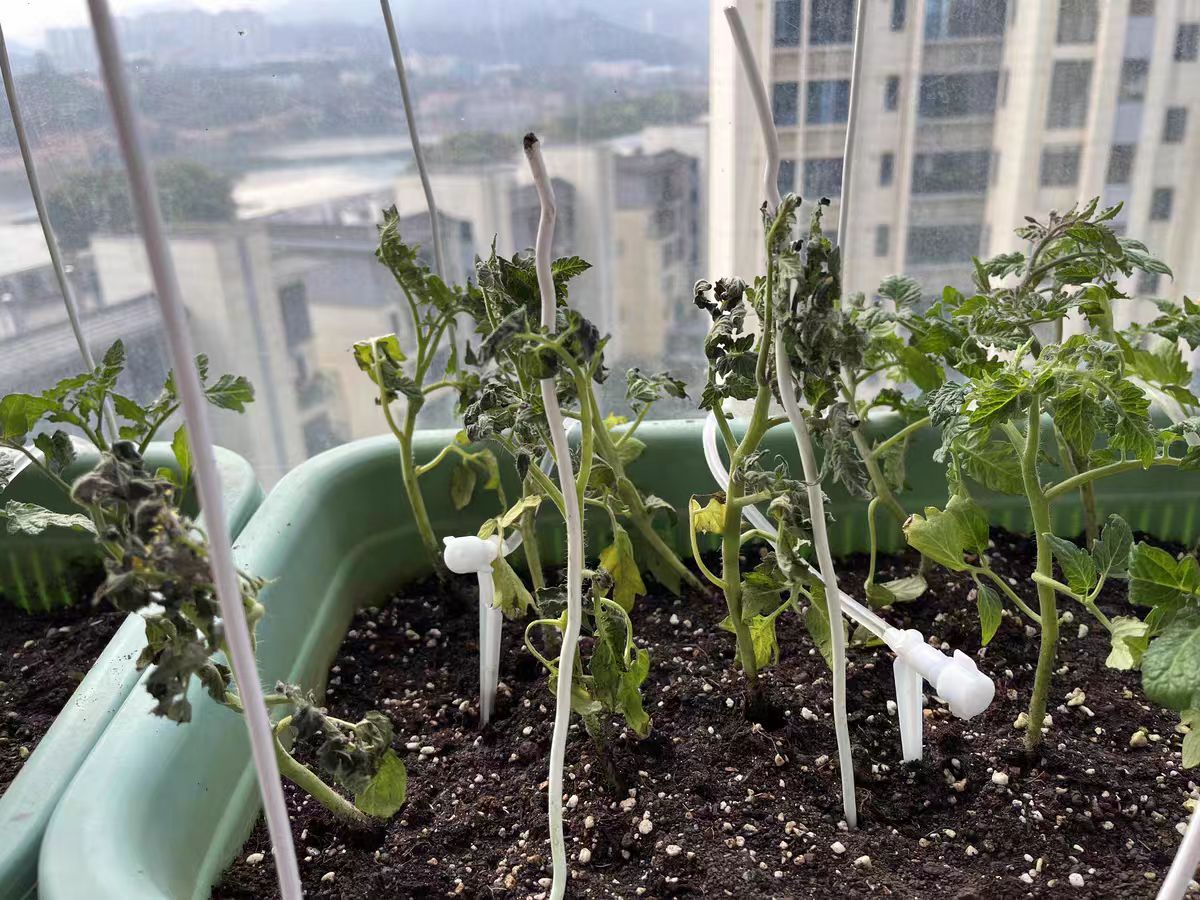
Can tomato plants be watered with rice-washing water?
After cooking, do you usually pour out the leftover rice-washing water? In fact, this seemingly ordinary and useless rice-washing water is a treasure for
-
How long is the blooming period of the Phalaenopsis 'Ink Wash Jiangnan', and can its leaves be cut off?
The Phalaenopsis 'Ink Wash Jiangnan' has abundant flowers, and although its petals are thin, it can maintain a long blooming period. A light purple edge blends outward, with splashes of ink-like speckles, exuding a restrained and charming ethereal elegance. The blooming period of the Phalaenopsis 'Ink Wash Jiangnan' usually lasts up to 3-6 months. Under suitable conditions
-
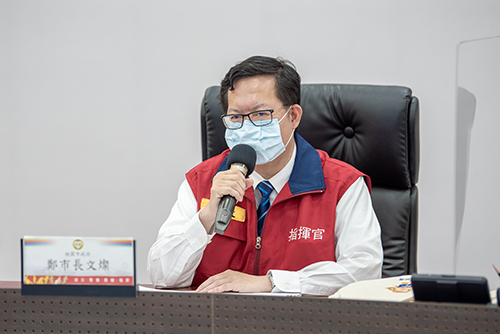
Taoyuan City car wash businesses resume operations, water situation remains at orange light
Taoyuan City Mayor Cheng Wen-tsan, while chairing the drought response meeting on the morning of the 10th, said that the water situation had slightly improved, with the Shimen Reservoir's water storage reaching 37%, the 6th lowest storage volume in the 58 years since the reservoir's construction in terms of drought ranking, and that various dispatch, backup, and water-saving plans still needed to be promoted...
-

Yirgacheffe Worka Village Washed Coffee Beans NO.4 New Crop Now Available
▲ "A richly fruity and floral, bright washed Yirgacheffe" with lime, citrus, and cranberry sweet-tart notes, a bright juicy body, rich and sweet, finishing with brown sugar sweetness! ▲ Production Info: Country: Ethiopia Region: Yirgacheffe, Gedeb Town
-

Is it safe to eat bayberry without washing? Here's how to wash it properly to remove the bugs
Jingzhou bayberries are about to turn red again, and the season for eating bayberries is almost here. Do you know the right way to eat bayberries? That is, without washing, picked straight from the tree and eaten right away. This is how the local bayberry farmers of Jingzhou in Huaihua eat them. Many people will have doubts and debates. Don't bayberries have
-
How do you select Washingtonia robusta seeds? What are the seedling-raising methods?
I wonder if everyone has seen Washingtonia robusta. It is native to southern California in the United States. It is suitable for growing in warm, humid and sunny environments, and is often used as a factory landscaping tree species. So how do you select Washingtonia robusta seeds? What are the seedling-raising methods? How is it different from the Chinese fan palm
条件筛选