What methods are there for detecting pesticide residues in vegetables?
Pesticides are very difficult to wash off completely with water. Water-soluble pesticides in particular are absorbed by plants through the roots and enter the plant body, making them impossible to wash away; fat-soluble pesticides, on the other hand, do not dissolve in water and are hard to wash clean with water, while using fruit and vegetable cleaners carries the risk of secondary contamination from ingesting the cleaner itself.
In order to eat more healthily, many people in recent years have advocated a raw food diet or a clean diet. But for most people, eating uncontaminated food at every meal may take considerable effort. Experts suggest that when buying fruits and vegetables, simply taking a little extra time to pay attention can help you buy produce with the least pesticide contamination.
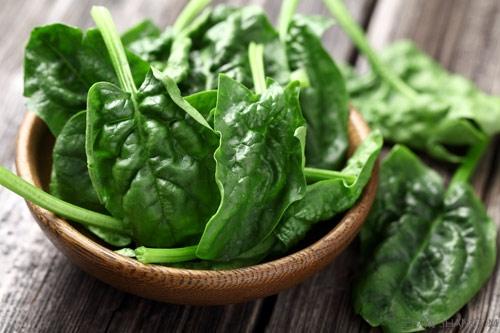
The public is advised to buy organic fruits and vegetables at branded organic stores. If one has no choice but to buy ordinary produce, at least the following principles can be followed:
1. Buy seasonal fruits and vegetables as much as possible: produce that comes to market especially early is not only expensive but may have been forced into bloom with plant hormones, making pesticide residues more likely.
2. Choose branded safe vegetables: buy vegetables certified by private or government bodies, such as GAP (Good Agricultural Practice) and organic agricultural products. Although meeting these standards does not mean pesticide residues are zero, at least you need not worry about buying produce that uses banned pesticides.
3. Try not to buy continuously harvested fruits and vegetables: fruits and vegetables that have been sprayed with pesticides have a safe harvest period, and produce harvested after the safe harvest period is less likely to have excessive pesticide residues. However, for continuously harvested crops such as beans and gourds, because the fruits ripen at different rates and must be harvested every day or every other day, it is more difficult to wait until the safe harvest period to harvest them.
4. Do not place importance on outward beauty: vegetables that are plump, lush green and completely free of insect holes are usually the work of chemical fertilizers or pesticides. You should choose fruits and vegetables with a less attractive appearance; if you can find an old insect that was not killed by poison in the heart of the vegetable, you can feel a little more at ease.
5. Pay attention to the place of origin: if the packaging of fruits and vegetables indicates the place of origin, it is best not to choose produce grown near places where dioxin fallout occurs, such as smokestack factories, thermal power plants and incinerators.
6. Do not buy fruits and vegetables that are prone to pest damage: such as cabbage, mustard greens, cauliflower, baby bok choy and corn, all of which are vegetables easily attacked by pests; if grown outdoors without spraying pesticides, they can hardly be harvested at all.
7. Do not buy hydroponic vegetables: the nutrient solutions used in hydroponic vegetables are all chemical fertilizer formulas, and the used hydroponic waste liquid easily causes secondary contamination as well.
8. Choose fruits and vegetables that can be peeled as much as possible: such as potatoes, radishes and winter melon.
9. Buy more fruits and vegetables with few pests and diseases: such as basil, onion, fennel, asparagus lettuce, sweet potato leaves, fireweed, sword-leaf lettuce, false ginseng, okra, purslane, Madeira vine, Gynura bicolor, Gynura divaricata, ginger flower, vegetable fern, basil, Chinese toon, bird's nest fern, mountain mustard, watercress, yellow okra, jute, Japanese pepper, flame spinach, perilla, fresh daylily flowers, jade bamboo shoots, cactus flowers, snow vegetable, wild lotus, arrowhead, Jianbian cai, winged yam, and so on.