How do you wash fruits and vegetables to get rid of pesticide residue thoroughly?
How to wash fruits and vegetables so you can eat with peace of mind: To remove pesticide residue from the surface of fruits and vegetables, consumers usually have to treat them before eating. The following methods, such as washing, peeling, storing and cooking, can all remove pesticide residue, letting people eat with peace of mind. Let's take a look.
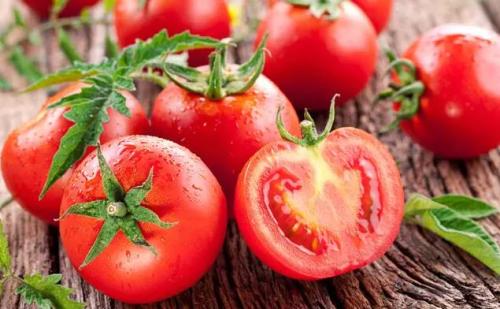
1. Running clean water rinsing method: It is best to wash fruits and vegetables under constantly running clean water. The cleaning and diluting power of water should be able to remove the pesticide residue left on the surface of fruits and vegetables. Using detergent, salt water or soaking in clean water for a long time is ineffective at removing residual pesticides.
For melons and fruits, such as cucumber, tomato, star fruit, bitter melon, green pepper and other fruits and vegetables with skin, you can use a soft-bristled brush together with constantly running clean water to wash them. For leafy vegetables such as cabbage and napa cabbage, the outer leaves can be discarded and the inner leaves rinsed one by one. As for the base of the leaf stalks of small leafy vegetables such as bok choy, spinach and baby bok choy, and the upward-facing hollows of green peppers and fruits, pesticide residue easily remains, so they need to be carefully and thoroughly rinsed or partly cut away.
2. Heating and cooking method: During the cooking process, the residual pesticides in vegetables can be eliminated. After heating and cooking, most pesticides will be broken down. They can also disappear through the heating process by evaporating with the steam, so do not cover the pot when stir-frying vegetables or cooking vegetable soup.
3. Washing and peeling method: Peeling can remove the pesticide residue left on the surface of fruits and vegetables. For vegetables such as cucumber, carrot, winter melon and pumpkin, and fruits such as lychee, longan, grape, citrus, mango, banana and papaya, it is best to wash them with water before peeling and eating, to avoid the pesticides on the fruit surface contaminating the flesh.
4. Storage method: Do not eat newly picked unpeeled melons and fruits right away, because over time pesticides in the air can slowly break down into substances harmless to the human body. So for some vegetables that are easy to store, a certain period of storage can reduce the amount of pesticide residue. This is suitable for varieties that do not rot easily, such as winter melon and pumpkin. Generally they should be stored for 10 to 15 days or more.