-
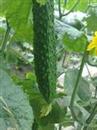
Detailed Explanation of Cucumber Nutrient Requirements and Scientific Fertilization Techniques
Nutrient Requirements Cucumbers are best grown in loose, fertile soil with good aeration. Heavy clay soil is not conducive to cucumber root development. Soil with high organic matter content can balance the contradiction of cucumber roots being moisture-loving but not waterlogging-tolerant, and fertilizer-loving but not fertilizer-tolerant. The growth cycle of cucumbers is roughly divided into the germination stage, seedling stage, vine elongation stage, and...
-
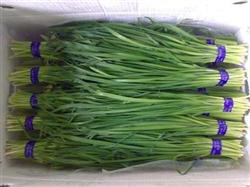
What is the scientific way to harvest garlic chives? A detailed guide to the method
The number of harvests of garlic chives should be appropriate, generally 4-5 times a year, with 2-3 harvests before June in spring. When growing garlic chives in summer, high yields depend mainly on nourishing the roots and letting the plants produce more tillers, so they are generally not harvested, laying the foundation for a high yield in autumn. In autumn, 2-3 harvests are generally possible. If there are too many harvests, the plants will...
-
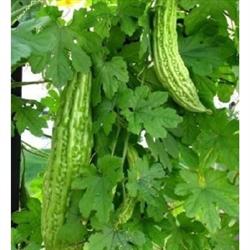
A Complete Guide to Scientific Fertilization Methods for Bitter Melon
High-yield and High-profit Cultivation Techniques for Bitter Melon in Winter-warm Plastic Greenhouses as Protected Cultivation: Choose a winter-warm greenhouse with good lighting and strong insulation as the horticultural facility for off-season bitter melon cultivation. Compared with cucumber, loofah, and zucchini, bitter melon requires relatively higher light intensity and higher temperatures for growth and development, and has poorer tolerance to low temperatures and weak light. Bitter melon...
-
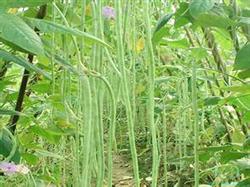
Methods for High-Yield Cowpeas: Scientific Planting and Management Are Key
1. Cowpeas can be direct-sown or raised as seedlings and transplanted; generally, seedling raising and transplanting is practiced, as it can appropriately suppress vegetative growth and promote reproductive growth. Choose good land, apply base fertilizer, water appropriately, use disease-resistant seeds, and treat the seeds with New High Lipid Film. This can repel underground pests and diseases, isolate viral infections, and does not affect germination...
-
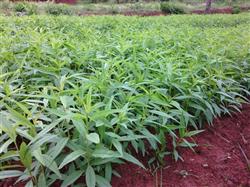
Detailed explanation of yellow peach seedling cultivation techniques, teaching you scientific seedling raising
Yellow peach seedling cultivation techniques 1. Introduction: Yellow peach saplings are seedlings of the yellow-fleshed peach type, belonging to grafted seedlings, raised by grafting onto peach seedling rootstock. Yellow peach originated in China, and many yellow peach varieties are cultivated in our country, so yellow peach saplings can be divided into three categories: first, seedlings of fresh-eating yellow peaches such as Fenghuang seedlings, Jinhuang seedlings, etc.; second,...
-
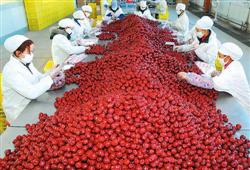
Detailed Explanation of Key Techniques for Scientific Harvesting, Storage and Fresh-Keeping of Fresh Jujubes
Fresh jujubes are now widely cultivated in rural areas across the country. Their fruit has a bright red appearance, a crisp and sweet refreshing taste, and is rich in various nutrients. The vitamin C content of fresh jujubes is 60-80 times that of apples and 30 times that of citrus. Scientific storage and fresh-keeping of jujubes can greatly reduce losses for growers, achieve increased production and efficiency. Ensuring a long-term supply of fresh jujubes on the market...
-
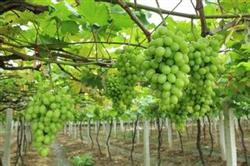
How to scientifically apply potassium fertilizer during the middle and late stages of grape growth
Potassium fertilizer is very important throughout the entire growth period of grapes, especially during fruit development when the demand is even greater. Therefore, grapes are known as a "potassium" crop. Potassium fertilizer can promote grape fruit enlargement and ripening, improve variety quality and storage tolerance, promote branch thickening and maturation, and enhance their cold resistance, drought resistance, high...
-
Scientific Planting Techniques for Walnut Seedlings and Walnut Trees
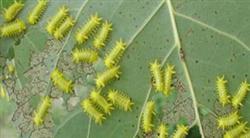
The yellow-spined slug moth mostly has 1 generation per year in the north, and 2 generations per year in the Yangtze River basin. After autumn, the mature larvae often spin silk and form hard cocoons on branch forks, twigs, leaf petioles, and even leaves to overwinter. The cocoon is oval, grayish-white, with several brown longitudinal bands, resembling a bird's egg. In early summer of the following year, the mature larvae pupate inside the cocoon, and after 1 month they emerge as adults and fly out,...
-
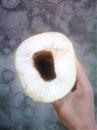
What to do about hollow radish? Scientific boron supplementation effectively prevents it
Hollow radish affects its edible value and quality. Many vegetable growers cannot find the cause of hollow radish. In fact, hollow radish is caused by boron deficiency in the soil. The following method can be used to apply boron fertilizer to prevent hollow radish: when sowing as base fertilizer, use 300 grams of 17% boric acid or 500 grams of 11% borax per mu, mix into 5-10...
-
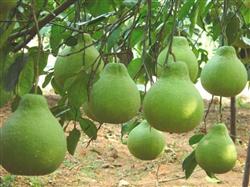
How to plant pomelo trees properly? A full breakdown of scientific planting methods
Proper fertilization. For pomelo trees to grow normally, flower and bear fruit, they need a certain amount of nutrients, and the mineral nutrients from the soil are the raw materials for all the nutrients the pomelo tree needs. Mineral nutrients can also promote root growth and absorption. Increasing the mineral nutrients in the soil is an important way to improve pomelo yield and quality. (1) What pomelo needs...
条件筛选