-
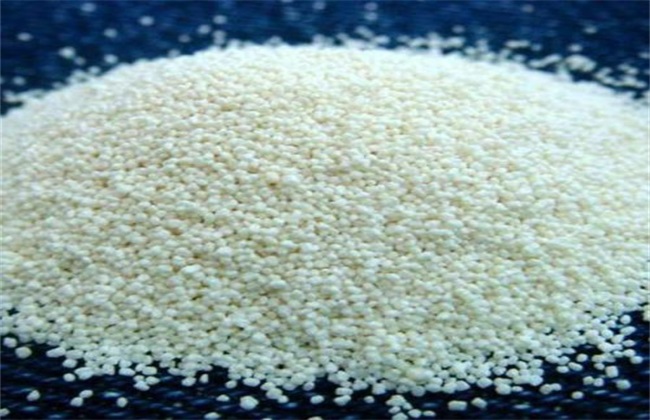
How to reduce the harm of chemical fertilizers? Master scientific fertilization methods
How to reduce the harm of chemical fertilizers
-

How to use water-soluble fertilizer? A full analysis of scientific application methods
Scientific application methods for water-soluble fertilizer
-

How to apply potassium fertilizer scientifically? Key points of the method explained clearly in one go
Scientific application methods of potassium fertilizer
-
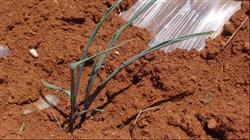
Different types of micro-fertilizers have different usage methods, and scientific application requires distinction.
In recent years, the problem of wheat seed burning and seedling burning during autumn planting has occurred repeatedly. In mild cases, it causes 20% to 30% missing seedlings and broken rows; in severe cases, replanting becomes necessary, and this problem is on the rise. In pursuit of higher and higher yields, some farmers one-sidedly believe that as long as they apply more fertilizer, they can achieve high yields. They pay no attention to whether the soil nutrients in the plot are abundant or deficient...
-
Fertilizer mixing requires care; only scientific combinations boost effectiveness
Many vegetable growers are in the habit of buying a large quantity of fertilizer at one time when prices are low and storing it for use throughout the year. Although this practice is workable, it is quite unsuitable for certain chemical fertilizers. Because vegetable growers have no dedicated place to store fertilizer, storing it casually will cause some fertilizers during storage to...
-
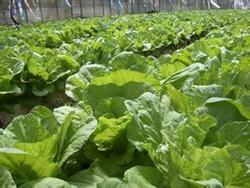
Scientific application methods and technical key points for potash fertilizer
Potassium is one of the three essential fertilizer elements. Many vegetables often require more potassium than nitrogen and phosphorus; well-grown vegetables contain potassium at 2.5%-7% of their dry matter, higher than their nitrogen and phosphorus content. Most vegetables absorb more potassium than nitrogen; for example, the nitrogen-to-potassium ratio absorbed by cucumber is 1:(1.5-1.7), by pumpkin is 1:2.1, and by tomato is 1:...
-
How to apply fertilizer scientifically in hot and dry weather
It is not advisable to apply large amounts of undecomposed cake fertilizer. Cake fertilizer has a relatively small carbon-to-nitrogen ratio and decomposes quickly, easily generating high temperatures. Applying undecomposed cake fertilizer will raise the local temperature, cause root burn and affect seed germination, and will also attract underground pests. The cake fertilizer should be crushed and soaked in human urine until it heats up before application. Compound fertilizer cannot be used alone...
-
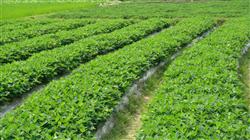
Foliar fertilizers are effective, and scientific selection is key
After the pegging stage of autumn peanuts, drought weather and large day-night temperature differences affect pod development, causing pods to be not plump. If foliar topdressing is carried out multiple times after the pegging stage of autumn peanuts to supplement nutrients through the leaves and raise the nutritional level of the autumn peanut plants, the ability of the autumn peanut plants to resist drought and adapt to large day-night temperature differences can be enhanced, making the pods...
-
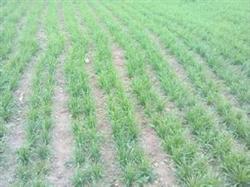
Methods and Techniques for Scientifically Applying Phosphate Fertilizer to Wheat
Wheat is a crop with a relatively high phosphorus requirement, and scientifically applying phosphate fertilizer is one of the key measures to improve phosphate fertilizer efficiency, reduce fertilization costs, and promote high-quality and high-yield wheat. 1. Apply after mixing and composting with organic fertilizer. Organic fertilizer is rich in organic matter, phosphoric acid, and various organic weak acids, which can turn insoluble phosphorus into soluble phosphorus...
-
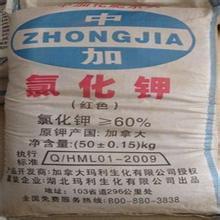
Five key points for efficient and scientific application of potassium fertilizer
Veteran vegetable grower Master Chang switched to growing tomatoes these past two years, and his yields and returns have remained good, because he pays close attention to soil testing and fertilization. When he tested his soil last year, the organic matter in his greenhouse soil reached 27.25g/kg. Because the soil organic matter content was relatively high, this spring he did not use organic fertilizer, but instead applied 40 kg of compound fertilizer per mu, 7...
条件筛选