-
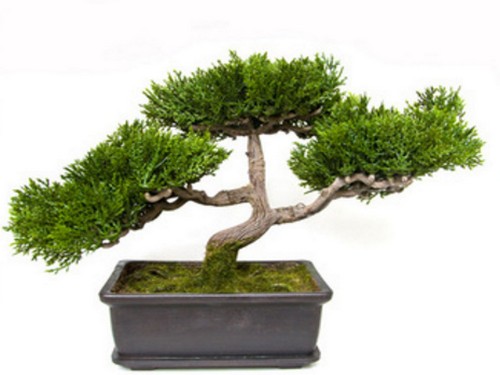
How to fertilize stump bonsai scientifically? These methods you need to master
The fertilization method for stump bonsai is very important. If too much fertilizer is applied, the branches and leaves grow excessively; if fertilizer is lacking, the branches become thin and weak, the leaves turn yellow, and the plant is prone to pests and diseases. So here are three scientific fertilization methods: First, according to quantity. The amount of fertilizer for stump bonsai should follow the principle of small amounts applied frequently
-

A Detailed Guide to Scientific Fertilization Methods for Chinese Ash (Fraxinus chinensis) Bonsai
During the growing season, apply light fertilizer frequently. To facilitate absorption by the tree and avoid wasting fertilizer solution, it is best to apply once every 5-7 days. Fertilization is generally carried out on a sunny afternoon when the potting soil is on the dry side, and after application, water to rinse the leaves. On rainy days when the potting soil is wet, the tree roots cannot breathe well, and after fertilization the roots do not absorb it easily; in strong sun: even in the hottest days of the dog days of summer
-
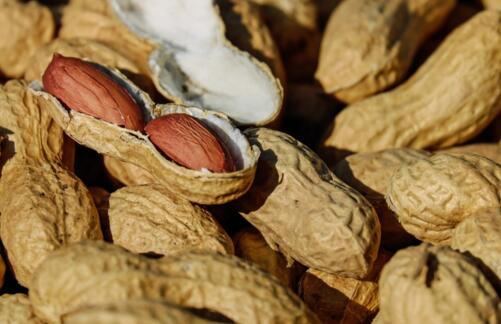
Peanut Shell-On Sowing Method and Benefits, Scientific Fertilization for High Yield
Peanut is a crop that farmers plant every year. It is not only easy to grow and versatile, but also rich in nutritional value. The peanuts we usually see are generally planted after shelling. Today, the editor will talk about planting peanuts without shelling them. So, can peanuts be sown with the shells on? How to plant them? What are the benefits
-
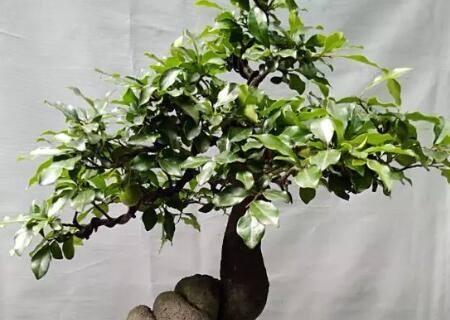
Production, Care and Management of Golden Bullet (scientific name Bottle Orchid) Bonsai and Its Main Varieties
Golden Bullet, scientific name Bottle Orchid. An evergreen shrub or small tree, with beautiful flowers and fruit; the fruit remains on the tree for a long time and is shaped like a pellet, hence the name Golden Bullet. It is suitable for planting in courtyards for ornamental viewing and for making stump bonsai. So do you know how to make a Golden Bullet bonsai? How to care for and manage it? What are the main varieties?
-
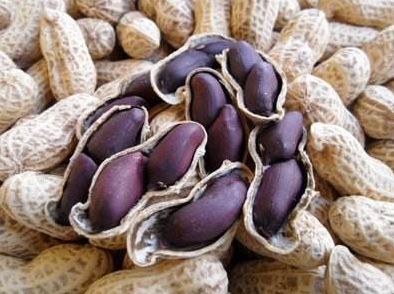
How to Grow Purple Peanuts for High Yield? A Detailed Guide to Scientific Cultivation Techniques
Purple peanut is black peanut, a new peanut variety with very high nutritional value and excellent prospects for cultivation. So how do you grow purple peanuts for high yield? What are the scientific high-yield cultivation techniques for purple peanuts? Soil selection and treatment: choose a plot where the air, soil and water sources are free from pollution. Purple peanut is not strict about soil requirements
-

Why Are Dental Implants So Expensive? A Detailed Scientific Explanation of the Reasons Behind It
A survey conducted by the Department of Preventive Dentistry, School of Stomatology, Fourth Military Medical University, showed that 40.16% of respondents would give up seeing a dentist because of the price....
-
How to plant spring peanuts for high yields? Save this scientific planting lesson plan
Peanuts are surely the most familiar accompaniment to drinks at everyone's dinner table. As one of the crops beloved by friends in agriculture, during the planting process we must plant scientifically...
-
New Methods and Key Technical Points for Scientific Konjac Cultivation
The main diseases in konjac growth and development are soft rot, southern blight, and root rot. The most damaging are soft rot and southern blight. Konjac soft rot is a bacterial...
-

A Comprehensive Guide to Scientific Control Methods for Soybean Aphids
Soybean aphids are commonly known as "ni chong" (greasy bugs) or "mi chong" (honey bugs). They mostly gather on the growing points, top leaves and backs of young tender leaves of soybean plants, piercing and sucking sap to cause damage. This results in leaf curling, plant stunting and reduced yield, and they can also transmit viral diseases, causing yield loss and quality decline. This pest begins to appear in soybean fields in mid-to-late June, and causes severe damage during hot, dry weather. Soybean aphids have a very strong reproductive capacity; a single female can produce 50-60 offspring, and under suitable conditions, young aphids can give birth after about 4-5 days, and can reproduce 15
-
Key Technical Points for Scientific Management of Soybeans Adapted to Seedling Conditions
Liang Huizhen, associate researcher at the Cash Crop Research Institute of the Provincial Academy of Agricultural Sciences, said that at present most areas of our province's soybeans are at the flowering and podding stage, which is the period of greatest nutrient and water uptake and also the peak period of root nodule nitrogen fixation. The main goal at this stage is to promote more flowering and more pod setting, prevent premature senescence, control excessive vegetative growth, increase flowers and preserve pods, reduce shedding, and lay the foundation for a high yield. Due to the tight time schedule at sowing, summer soybeans often receive no or little basal fertilizer, and by the time the soybeans set pods, nutrient deficiency occurs, so flower and pod fertilizer should be applied promptly. At
条件筛选