-

Detailed Explanation of Key Technical Points for Scientific Pesticide Application
Scientific Pesticide Application Techniques
-

A detailed guide to the basics of safe pesticide use: scientific application for greater peace of mind
Basics of Safe Pesticide Use
-

How to control the tea longhorn beetle? Master scientific methods to handle it with ease
How can the tea longhorn beetle be properly controlled?
-

How to use pesticides scientifically? Master these usage techniques
Scientific usage techniques for pesticides
-
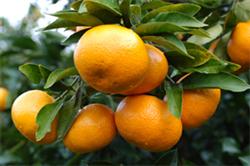
Never abuse plant growth regulators; scientific use is key
The main types of plant growth regulators allowed for the production of pollution-free, Grade A green food citrus are benzyladenine, 6-benzyladenine, gibberellin, ethephon, chlormequat, and others. The technical requirements are to use them strictly according to the specified concentration and period, with use permitted once a year, and a safety interval of more than 20 days. For the production of A...
-
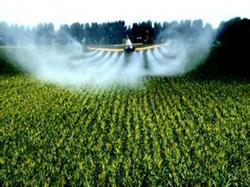
How to apply insecticides scientifically? Correct methods and techniques
To control crop pests with pesticides and achieve the best insecticidal effect, in addition to selecting the right targeted agent and applying it at the right time, you should also pay special attention to the following two issues that are easily overlooked. Different agents and different application methods should be chosen according to the part of the plant the pest damages, so that the pesticide is delivered to the right place. For example, for pests that damage...
-
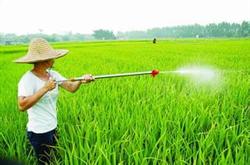
What are the scientific methods for using bacterial biological insecticides?
From rice sowing to the seedling stage, farmers should focus on controlling seed-borne diseases (bakanae disease, rice blast at the seedling stage, white-tip nematode disease, etc.), the small brown planthopper, and the first-generation stem borers. At the rice booting stage, the focus should be on controlling pests and diseases such as the rice planthopper, rice leaf roller, stem borers, ear blast, and rice false smut. At the rice ear stage, the rice planthopper is the main target, along with...
-
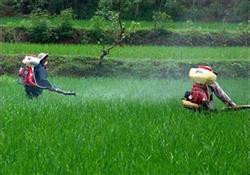
A detailed explanation of new grain insect-killing technology, scientific prevention and control of grain pests
In rural areas, this phenomenon is often encountered: when farmers spray pesticides, they do not know what pesticide they are using, nor how many times it should be diluted, and only know how many caps (pesticide bottle caps) to mix into a bucket of water. This is the true portrayal of how most Chinese farmers use pesticides today. Of course, this current situation has to do with rural...
-
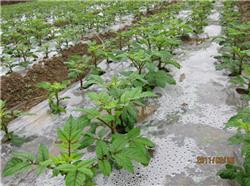
How to scientifically select herbicides for spice crops
Precautions for herbicide use During the use of herbicides in vegetable plastic-film mulching cultivation, in order to achieve safety, economy and effectiveness, the following points should also be noted in operation: 1. During herbicide application, the amount of water used to dilute each 667 sq m dose must not be less than 40-50 kg at minimum; only by ensuring wet...
-
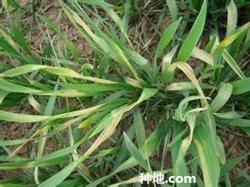
How can herbicide dosage be controlled in a scientific and reasonable way?
What should be done if wheat is damaged by herbicide phytotoxicity? What remedial methods are there? There are many varieties of herbicides for wheat crops, and their physicochemical properties, sites of action, and mechanisms of action differ, so the symptoms of phytotoxicity they cause also differ. Some are manifested inside the plant, some externally, some in the aboveground parts, and some in the underground parts...
条件筛选