-
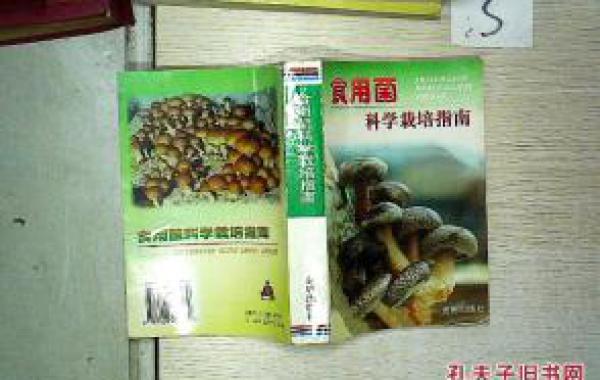
How to scientifically add nutrient solution to edible fungi?
How do you scientifically add nutrient solution to edible fungi?
-

How to fertilize edible mushrooms scientifically? Detailed methods and key points
How to fertilize edible mushrooms scientifically?
-
Introduction to Edible Fungi and Scientific Storage Methods for Dried Products
Scientific Storage of Dried Edible Fungi Products
-
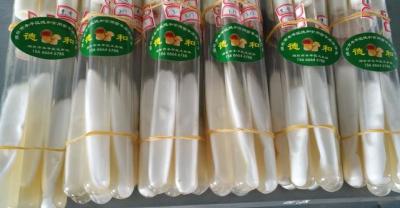
Why can edible mushrooms treat diseases? A popular science analysis of the principles behind them
NO.1 Why edible mushrooms can treat many kinds of diseases Edible mushrooms strengthen the body's constitution and have therapeutic effects of supporting healthy qi and consolidating the foundation, and supporting healthy qi to dispel pathogenic factors, so for many...
-
How to reasonably choose a scientific formula for oyster mushroom cultivation?
Oyster mushrooms have low requirements for raw materials, and many industrial and agricultural by-products can be used as raw materials. However, whether the carbon-to-nitrogen ratio in the growing medium is scientific and whether the amounts of other supplementary materials added are reasonable are issues that cannot be ignored in oyster mushroom production. At present, bag-cultivated oyster mushrooms mainly use cottonseed hulls as the raw material, so the quality of the cottonseed hulls directly affects the level of oyster mushroom yield and even whether cultivation can succeed. Fresh, high-quality cottonseed hulls should be selected; if moldy and deteriorated cottonseed hulls are used, it will cause contamination by weed molds and may even lead to cultivation failure. Pesticides or other
-
What are the technical key points of scientific processing methods for shiitake mushrooms?
1. Sun-drying method: Sun-drying is the most convenient and easy method. The method is: spread the harvested shiitake mushrooms promptly on a sun-facing grain-drying yard or concrete ground. When drying, first place the caps upward and the stems downward, arranging them one by one. After drying until half-dry, turn the stems upward and the caps downward, until they are more than 90% dry. If rainy weather occurs, supplement with fire-powered drying. 2. Oven-drying method: After the shiitake mushrooms are harvested, they should be placed in small baskets, not packed too full to avoid crushing, and should be baked on the same day. The general method is: spread the harvested shiitake mushrooms on drying trays
-
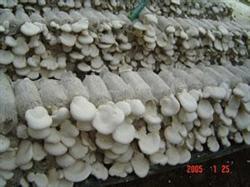
The raw material ratio for white lingzhi mushroom cultivation must be scientific and reasonable
The white lingzhi mushroom (Pleurotus nebrodensis) is an emerging mushroom type developed in recent years. Because its history of development is relatively short, many problems still exist in cultivation techniques, especially since total yield has been difficult to increase. Some growers achieve a biological conversion rate of less than 20% when cultivating white lingzhi mushrooms, and even when prices are relatively high, the economic benefit is still quite ordinary. The author...
-
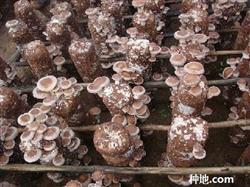
Scientific Cultivation Methods and Technical Key Points for Shiitake Mushrooms
How to scientifically cultivate shiitake mushrooms? Please guide. The following shiitake cultivation methods can be used for reference: 1. Select good main cultivars. There are many shiitake varieties, and during cultivation, varieties should be reasonably selected according to local actual conditions. 1. Flower shiitake type: varieties include 135, 103, 9903, L241-4. They belong to late-maturing medium-low temperature strains, with thick mushroom flesh,...
-
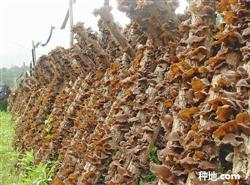
Scientific cultivation of black fungus?
Scientific cultivation of black fungus? Please advise (1) Overview Black fungus is also called wood ear, smooth wood ear, or cloud ear. Taxonomically it belongs to the class Basidiomycetes, order Auriculariales, family Auriculariaceae, genus Auricularia. There are about a dozen or more species in this genus, such as black fungus, hairy wood ear, wrinkled wood ear, felt-cap wood ear, horny wood ear, shield-shaped wood ear, etc. Among these wood ears, only the smooth wood ear has plump and tender texture and delicious flavor, and is known as a mountain delicacy.
条件筛选