-

How to scientifically restrict-feed young chickens? Master these technical points
Under normal circumstances, young chickens should be given restricted feeding. In restricted feeding, some chicken raisers believe that the less the chickens eat the better, and the poorer the feed quality the better; therefore, they provide young chickens with a single feed, with no regularity, no plan, and no standard, and manage them carelessly. In fact, this practice misunderstands the original meaning of restricted feeding. The purpose of restricted feeding is to control the chicken's weight gain, prevent the chicken from reaching sexual maturity too early (laying too early), maintain the standard laying start time and body weight, slightly inhibit its growth, and prevent the chicken from increasing body
-
How to raise meat dogs well? Master the key points of scientific breeding technology
The whole dog is a treasure, especially the meat dog, which has relatively high economic value. In recent years, meat dog farmers have been constantly emerging. However, due to a lack of knowledge about feeding management and epidemic prevention and disease control, large numbers of dogs have died, causing heavy losses. According to a survey of 10 meat dog farming households, the mortality rate was above 60% in all cases. In view of this, the author specifically introduces measures for how to raise meat dogs well, for reference only. 1 Feeding environment Dogs are animals that love cleanliness, love basking in the sun in winter, and love bathing in summer. Dogs have a strong ability to adapt to the environment and can withstand relatively hot and relatively cold climates, but the climate must not change too drastically; sudden cold and heat make them prone to illness. Dogs are accustomed to constantly moving, so there should be a relatively spacious place for dogs to exercise. Dogs are quite intelligent and quick to react, so they are easy to tame. There are two ways to raise meat dogs: one is pen rearing, and the other is tethering. We generally use pen rearing. The dog pen should be built on a hillside that is sheltered from the wind, faces the sun, has flat terrain, is dry, and has fresh air. Build a 2 m high wall with red bricks, set up an open shed in the middle of the yard, and use bamboo poles or wooden boards inside the shed to partition it into several small compartments so that the dogs are protected from sun and rain. Dig several pools in the four corners of the yard, spread some weeds in the pools, and let the dogs concentrate in the pools to defecate and urinate. The yard must be cleaned every day to keep it clean. Or use existing houses and make slight modifications, but the environment must be quiet, with sufficient light, air circulation, warm in winter and cool in summer, moisture-proof and well drained, sturdy and safe, and convenient for activity. Pay attention to the sanitary conditions around the dog kennel. It should be far away from unsafe places such as toilets, garbage dumps, sewage pits, livestock and poultry farms, chemical plants, and cold storage, and should also be far from residential areas and schools so as not to disturb residents' lives. Factors such as feed transportation, product @#@136@#@, and epidemic prevention isolation should also be considered.
-
The scientific name of Petunia F1 is Petunia hybrida
Characteristics: Solanaceae family, Petunia genus. Perennial herb, often grown as an annual or biennial. It prefers warmth, is not cold-tolerant, and dislikes waterlogging. The optimum sowing temperature is 20-25°C. Because the seeds are very small, they can be mixed with fine sand when sowing, and may be left uncovered or covered with a thin layer of soil. During sowing, keep the soil moist while avoiding water accumulation in the soil (especially in hot summer). About one week after sowing, germination occurs. When 4-5 true leaves have developed, the seedlings can be pricked out, and when more than 10 true leaves have grown, they can be planted in their final position. Petunia is a long-day flower, and short days inhibit flower buds
-
How to scientifically control the first generation of the second-brood striped stem borer in single-season rice
Control recommendations 1. For early-sown and early-transplanted single-season rice fields, carry out a full control treatment once from June 20-25, targeting mainly stem borers and small brown planthoppers, and also controlling early-occurring leaf folders and rice thrips. Use 5% fipronil (Regent) suspension concentrate at 40-50 ml/mu, diluted in 30 kg of water for spraying. 2. For fields where rice stripe disease has occurred, on the basis of pulling out and removing diseased plants, promptly apply chemicals to control small brown planthoppers. Use 40% chlorpyrifos (Xinnongbao, Saiben) at 100 ml/mu, diluted in 30 kg of water for spraying, and repeat the treatment after an interval of 5-7 days.
-
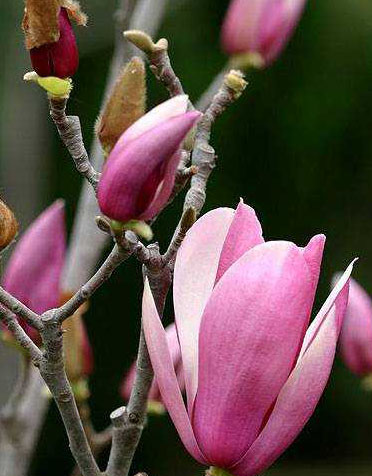
How to plant Magnolia liliiflora? A full analysis of scientific cultivation techniques
1. Soil. You can mix leaf mold and garden soil in equal amounts as the growing medium, and add 50-150 grams of bone meal or NPK compound fertilizer to the soil. The pot should be slightly deeper and larger, and put some broken hard plastic foam blocks at the bottom of the pot to enhance air permeability and drainage and prevent root rot. Repot and change the soil once every year or every other year after flowering
-
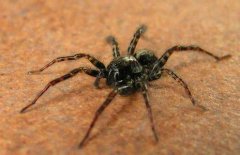
What Are Mite Pests? A Detailed Guide to Scientific Control Methods
What applications of predatory mites in agricultural pest control do you know about? What are the characteristics of predatory mites in agricultural pest control? If you want to know, let us take a look together. Biological control emphasizes using the predatory capacity of natural enemies to suppress pests
-

How to Fertilize Water Spinach? A Detailed Guide to Scientific Fertilization Methods
How to Fertilize Water Spinach
-
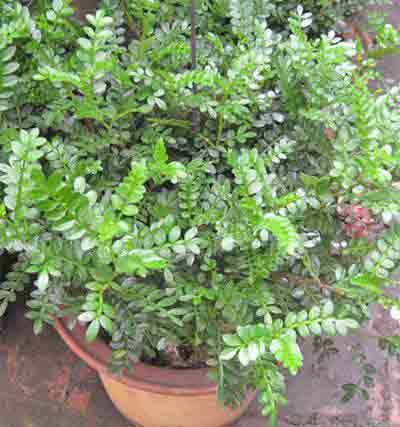
A detailed guide to the propagation techniques of Chinese pistache (Pistacia chinensis), teaching you to scientifically cultivate seedlings
Chinese pistache is a sun-loving tree, though it also tolerates slight shade; it prefers warmth and requires deep soil. It has strong sprouting ability, grows slowly, and lives long, but its seedlings are not very cold-resistant and need protection in North China. The plant can withstand low temperatures of -10°C and prefers soil with ample sunlight and good drainage. It can be used for garden shrubs and cut branches.
-

How to carry out scientific management after shiitake mushrooms fruit
How to manage shiitake mushrooms after fruiting
-
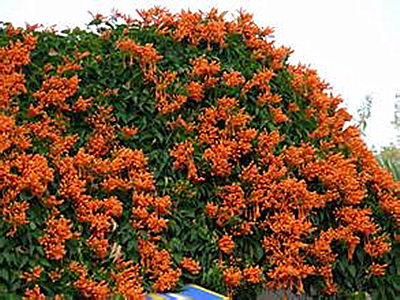
A Detailed Guide to the Correct and Scientific Propagation Methods for the Flame Vine
The flame vine (Pyrostegia venusta) is propagated mainly by cuttings, generally after flowering in spring and summer, and under greenhouse conditions it can be done year-round. For spring cuttings, roots usually begin to form about 3 weeks after insertion. If spring cuttings are planted promptly and given careful tending, they can bloom in the same year. For the cuttings, choose robust, pest-free and disease-free branches.
条件筛选