-
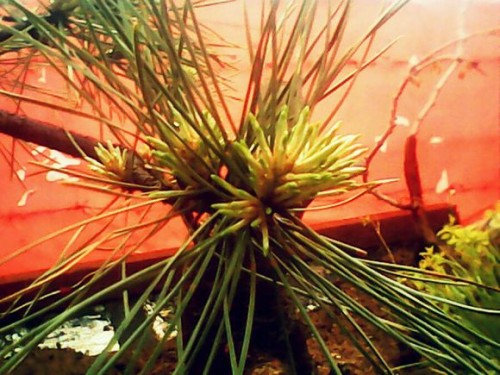
How to make a Chinese pine bonsai? Detailed production method shared
The Chinese pine is tall and vigorous, evergreen all year round, long-lived, and unafraid of wind, snow and severe cold. People regard it as a symbol of unyielding integrity and longevity. Its forms are endlessly varied, becoming more fantastic with age, making it an ideal material for bonsai. After the Chinese pine is planted, water it twice within one week; afterwards you may loosen the soil and preserve moisture, and water once more in early May
-
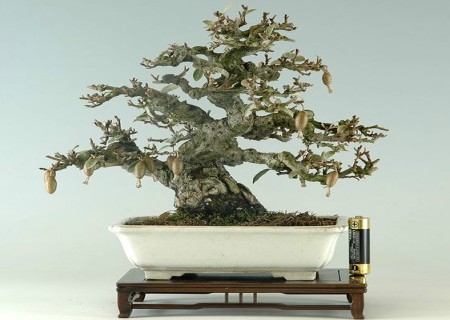
How to make an Elaeagnus bonsai? A complete analysis of the production techniques
The Elaeagnus tree shape is natural, and its red fruits hang downward. Besides being used for clump planting on lawns, at forest edges, and on the outer perimeter of tree groups to make natural-form hedges, we can also make it into a bonsai for appreciation. However, potted Elaeagnus generally does not bear fruit easily, which is related to the selected variety and the length of cultivation time.
-
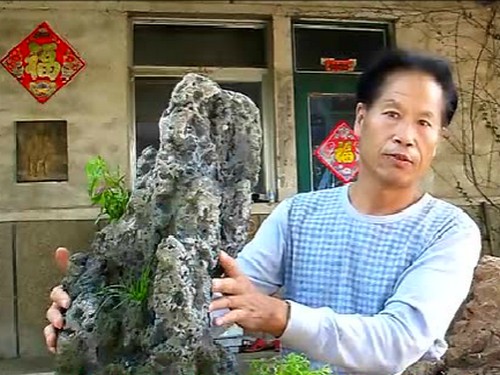
How do you make a cement rockery bonsai? Detailed production method shared
Cement sculpted-stone rockery refers to rockery formed by artificial shaping using modern materials such as concrete, fiberglass and organic resin, and non-stone materials such as lime, brick and cement. Sculpted mountains and sculpted stones can save the steps of quarrying and transporting stone, the shapes are not limited by stone material, and the volume can be large or small
-
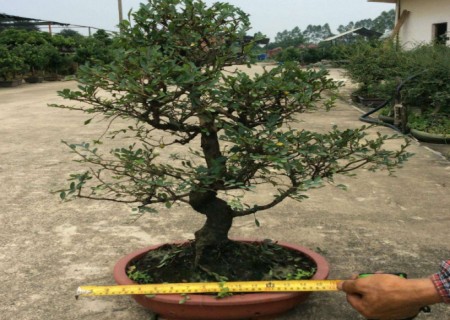
How to make a zelkova bonsai? A detailed guide to the complete production method
Wild zelkova trees often have tall and majestic forms, broad crowns, and very graceful shapes. Their leaf color can change richly with the seasons, and during the vigorous growth period they form dense green shade. They are widely used in landscaping and other fields and are an important ornamental tree species. In addition to surrounding outdoor landscapes, the tree form can also be appreciated as a bonsai.
-
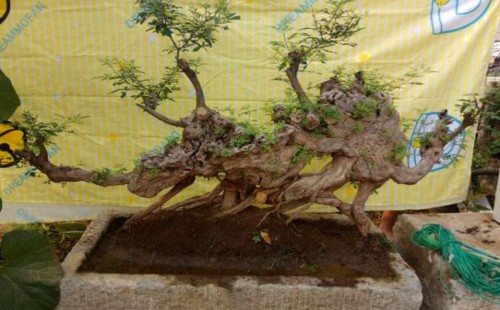
Detailed Explanation of the Production Methods and Steps of Vitex Bonsai
Vitex (Vitex negundo) has characteristics such as liking sunlight but tolerating shade, liking warmth but tolerating cold, liking moisture but not tolerating waterlogging, and liking fertile soil but tolerating poor soil. It is an evergreen tree species. It has peculiar forms, and can be appreciated both for its leaves and its shape, so it is a bonsai tree species with extremely high ornamental value. Moreover, this vitex has strong vitality
-

Agricultural Products Management Act passes first reading, small farmers gain legal basis for primary processing on farmland
A major step forward for small farmer processing! The Agricultural Products Management Act passes first reading, giving primary processing on farmland a legal basis
-

AFA holds matchmaking event to ensure quality, hopes people will eat more healthy domestic agricultural products
To make it more convenient for consumers to buy agricultural specialty products certified under Traceable Agricultural Products, ISO22000, HACCP and other verification systems through franchise chain channels, the Agriculture and Food Agency (AFA) invited the Taiwan Franchise Association on the 23rd to hold a "Selected, Quality, Agricultural Products
-
How do the trunks of potted green plants become hollow? A detailed explanation of the production method
Eucalyptus stumps are full of charm, and bonsai suits them perfectly. Teach you three techniques so you can easily become a master. Eucalyptus stumps are full of charm, and bonsai suits them perfectly. Teach you three techniques so you can easily become a master. Improve the stump; it is inconspicuous, so find some very ordinary, inconspicuous stumps to plant. At most
-
What are the benefits of seahorses? Taiwan's aquaculture efficiency improves despite inability to achieve mass production
As a high-economic-value aquatic product, seahorses are not only ornamental but also a precious traditional Chinese medicinal material. Recently, seahorses have been studied for their multiple conditioning and tonic effects, and are expected in the future to be applied in healthcare, beauty, and health food sectors, making seahorses even more
-
Taiwan Organic Seed and Seedling Farm Plans 30-Hectare Production Base; Organic Corn and Soybean Seeds Will Soon Hit the Market
The area under organic cultivation in China has been increasing year by year, reaching more than 8,900 hectares by April this year. Organic agriculture adopts organic management in the fields, but whether seedlings or seeds are organic has long been a pain point. The Council of Agriculture's Seed and Seedling Improvement and Propagation Station has begun planning a 30-hectare organic seedling production
条件筛选