-

Detailed Explanation of the Organic Agriculture Act: Organic Agricultural Product Equivalency Agreements and Signing Dates
The Organic Agriculture Promotion Act, announced at the end of May last year, officially took effect on May 30 this year after its various subsidiary regulations were gradually completed. On the eve of the new law's official implementation, the Council of Agriculture held a press conference, pledging to achieve the goal of making the nation's agriculture organic. Council of Agriculture Minister Chen Chi-chung specifically mentioned "organic equivalency
-

Smallholder processing is hot, but which products have a market? Experts help you with sample production and consultation
Smallholder processing is hot, but which products actually have a market? Agricultural experts help you with sample production and provide consultation
-
What popular products have a market in smallholder processing? Free sample-making and consultation from agricultural experts
Smallholder processing is a hot trend, but which products actually have a market? Agricultural experts will help you make samples and provide consultation for free
-
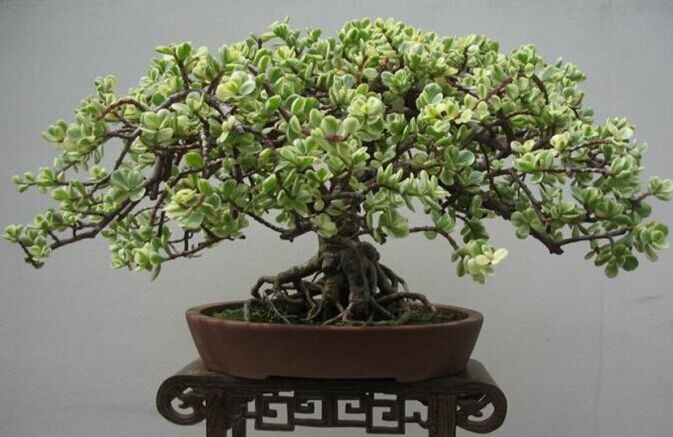
How to make a jade leaf bonsai? Detailed production method shared
When the plant propagated by layering has basically taken shape after one year of cultivation, it enters the bonsai-making stage. Bonsai making can be carried out in all four seasons of the year, and based on the thickness of the plant material's stem, its appearance, the unevenness of the branches, and their attachment positions, you can decide whether to make a single-trunk style or a double-plant or multi-plant combined planting style.
-
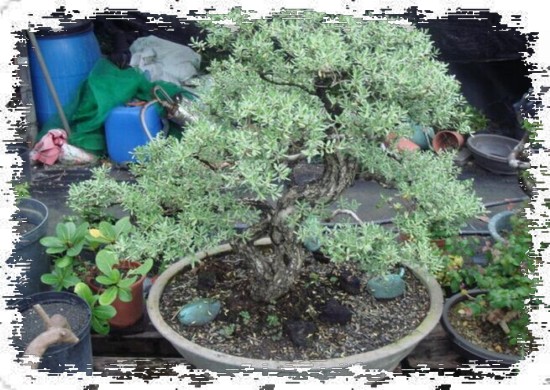
How to make a Jade Hibiscus bonsai? Detailed production method
Jade Hibiscus, scientific name Cactus, is the general term for plants in the family Cactaceae of the order Caryophyllales, with aliases including Immortal Palm, Immortal Fan, Overlord Tree, Flame, Fire Palm, Jade Hibiscus, Pill, Immortal Flesh, and Immortal Immortal. It often grows in dry environments such as deserts and is a type of succulent plant. Primitive cactus plants had leaves
-
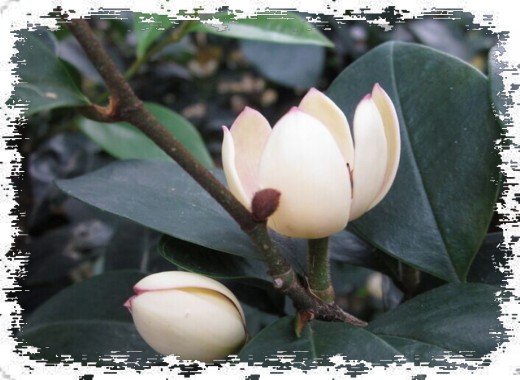
Detailed Explanation of the Production Method and Steps for a Michelia Bonsai
Michelia, also known as Pidai Xiang and Shanzhenzi, is an evergreen shrub or small tree of the genus Michelia in the family Magnoliaceae. Together with ginkgo, it belongs to the Mesozoic tree species that survived after the Quaternary glaciation, and is commonly known as a "living fossil." Although no true wild place of origin has yet been discovered, it is found in broad-leaved or coniferous open forests of the eastern Yunnan and central Yunnan plateaus
-
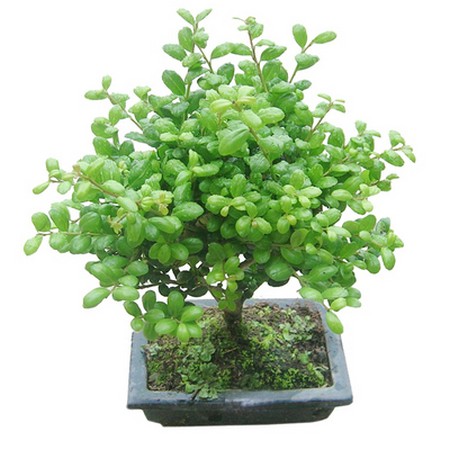
Detailed Explanation of the Production Methods and Techniques for Chinese Holly (Ilex crenata 'Convexa') Bonsai
Chinese Holly (Ilex crenata 'Convexa') gets its name because the raised surface of its leaves resembles a turtle shell. It is an evergreen small shrub of the genus Ilex in the family Aquifoliaceae. The old trunk is grayish-white or grayish-brown, and the leaves are elliptical, alternate, and entire. New leaves are tender green, while old leaves are dark green, relatively thick, leathery, and glossy. Its branches and trunk are vigorous and ancient-looking, and its leaves are dense and deep green, making it very suitable for making bonsai.
-
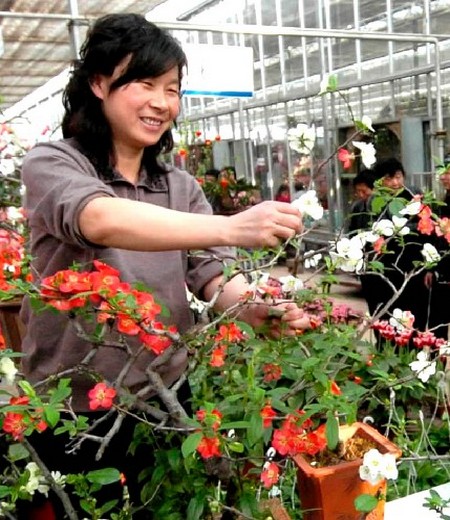
Detailed Explanation of Plum Blossom Bonsai Cultivation and Production Techniques
Plum blossom bonsai making is an art and a culture. It is only through the relentless study of countless predecessors that today's plum blossom culture has taken shape. Learning and summarizing this culture is a responsibility and obligation for our generation, especially for those of us who love plum blossoms.
-
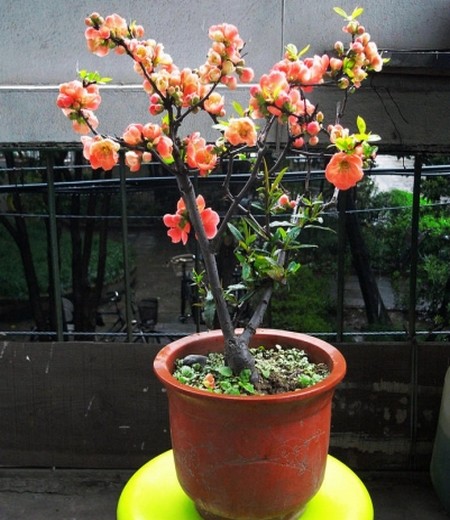
Detailed Explanation of the Production Method and Steps for Chaenomeles speciosa Bonsai
As a unique ornamental tree, Chaenomeles speciosa (flowering quince) dots the gardens and green spaces, a spot of red amid a myriad of greenery - that is probably the kind of beautiful scene it creates. It is colorful and varied, never tiring to look at, and the viewing process is a joy in itself. Its bonsai is usually placed in halls and leisure venues
-
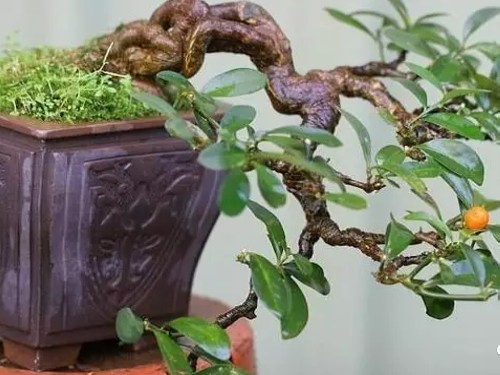
Detailed Guide to the Production Methods and Steps of the Fortunella hindsii Bonsai
Fortunella hindsii and kumquat both belong to the Rutaceae family. Fortunella hindsii is the variety that bears the smallest fruit among Rutaceae plants. It originated in the Taizhou area of Zhejiang and is a wild shrub. Fortunella hindsii is highly vigorous by nature, preferring slightly acidic soil, sunlight, and a warm, humid environment. It is easy to cultivate anywhere south of the Yangtze River. The Fortunella hindsii plant is short and small, making it suitable for bonsai.
条件筛选