-
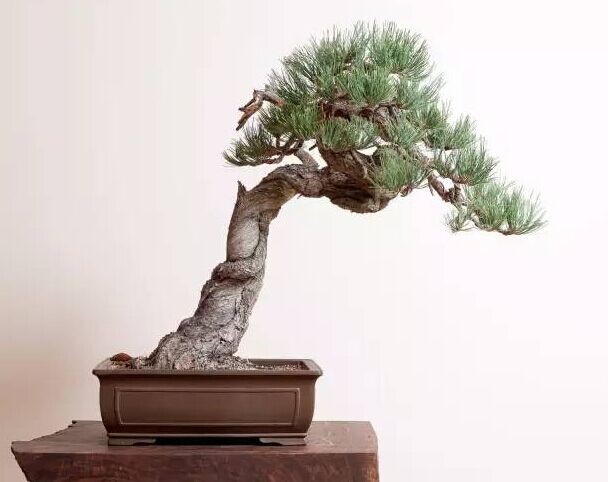
How to shape a cliff cypress (Sabina chinensis) bonsai? A detailed guide to practical techniques
Tip pinching and shari (deadwood) are important techniques that must be mastered when making cliff cypress bonsai. Tip pinching is actually leaf pinching. Because the young branches of the cliff cypress grow from scale-like small leaves, removing the tender young branches and leaves can control excessive growth. At the same time, tip pinching is also the only choice for organising the crown form, standardising the tree's appearance, and keeping the landscape beautiful and clean
-
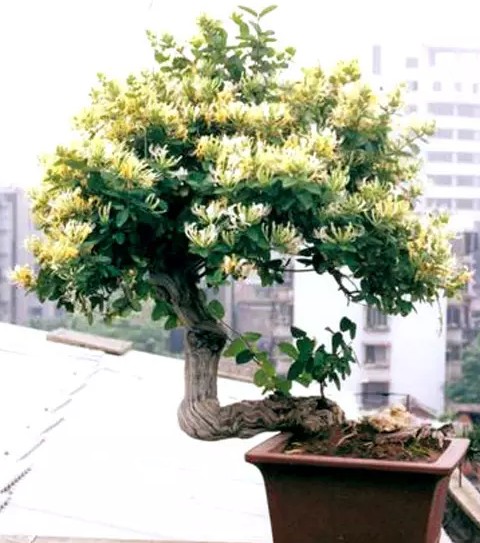
How to prune a honeysuckle bonsai? A detailed guide to practical techniques
Honeysuckle is naturally vigorous, and its stems can take root as soon as they touch the ground. It can be transplanted bare-root, and collected old stumps can easily survive cultivation even without fibrous roots. From the time of potting, carry out dwarfing, shaping and pruning to develop a thick trunk and short branches. During the growing season, remove vigorously growing buds, pinch the tips of strong branches early, and when pruning, cut long growth and keep short growth. Through shaping and pruning
-
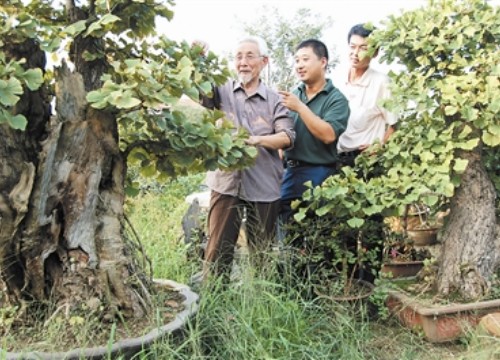
How to shape a ginkgo bonsai? A full analysis of practical techniques
Choose a suitable clay pot, fill it with coarse and fine soil, and plant the stump in the pot between February and March. During the growing period, bind the branches into curved or straight, slanting or upright, or upward or downward shapes, and control the direction and orientation of their extension well. The preliminary form is the foundation for making a bonsai. Working the preliminary form
-
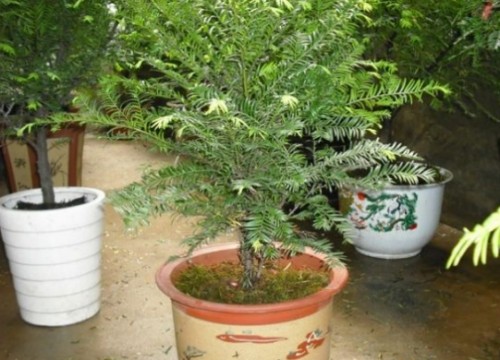
How to shape a Chinese pistache bonsai? A full analysis of practical techniques
The wood of the Chinese pistache is hard in texture and fine in grain, and can be used for construction, farm tools, furniture and carving. Its crown is tall and rounded, and its leaves are slender and graceful; after autumn the leaves turn bright red and the fruits are blue and red intermixed, so it can also serve as an ornamental greening tree for cities. Its young leaves can be made into tea, and its bark and stems can be used as medicine
-
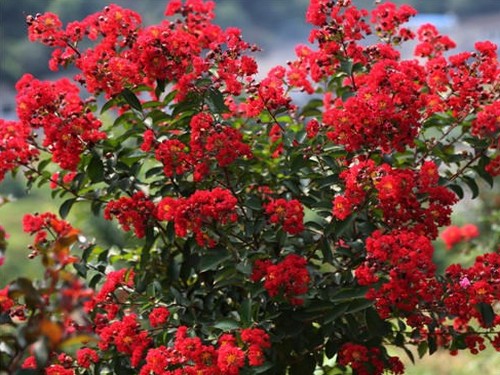
How to prune a Red Rocket crape myrtle bonsai? A detailed guide to practical techniques
The quality of flower cultivation and planting directly determines its later growth and indirectly affects its market recognition and selling price, so we need to have a comprehensive understanding of flower planting in order to take flower cultivation to an even higher level. This is just like the cultivation of Red Rocket crape myrtle
-
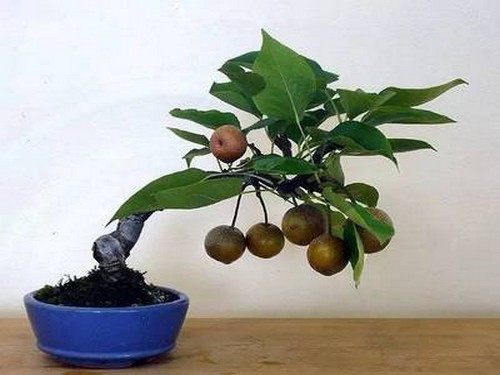
How to Shape a Pear Tree Bonsai? Detailed Practical Techniques
Pear trees are suitable for making many different styles of bonsai, such as formal upright, slanting, curved trunk, twin trunk, forest, semi-cascade, and lying trunk. Because the leaves are relatively large, the crown is mostly kept in a natural form rather than wired into pads. Since pear trees grow vigorously, with a large amount of annual growth, and the apical branches develop strongly
-
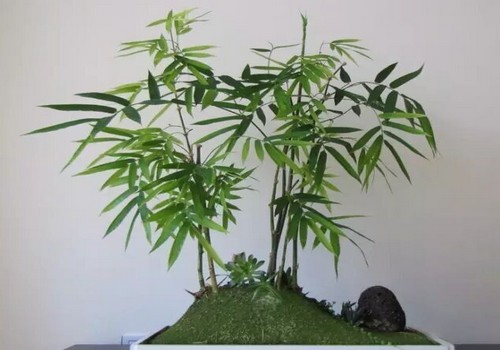
How to Dwarf and Shape Bamboo Bonsai? A Detailed Guide to Practical Techniques
Bamboo sprouts and grows quickly, so regular pruning is necessary to keep the bamboo bonsai looking graceful. Each year between June and July, once the new bamboo has finished growing, carry out renewal and shaping pruning. Any new shoots that emerge afterward should be removed immediately, so they do not disrupt the shape of the bamboo bonsai, consume nutrients, and affect the vigor of the parent bamboo.
-
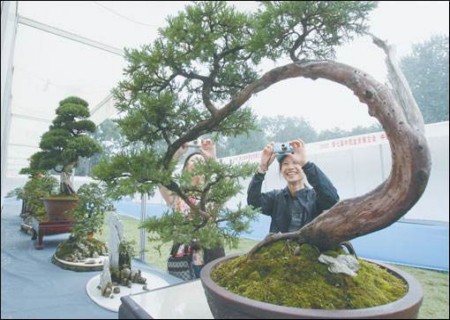
How do you bend and shape a mountain pine bonsai? Master these practical techniques
The mountain pine tree is tall and slender, upright and unyielding, found everywhere across the mountains, and is excellent timber for construction. Its fine qualities are known to all. Therefore, bonsai enthusiasts break with conventional styling and seek out unusual, special and bizarre material in pursuit of innovation. In principle, the styling of mountain pine bonsai takes the display of strength and elegance as its theme
-
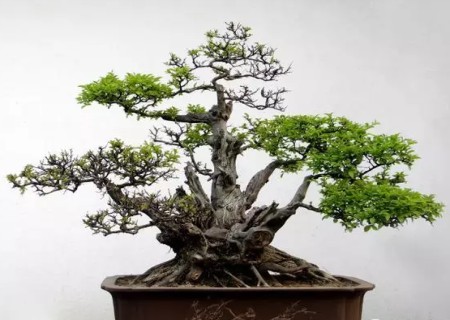
How do you seal the cuts on tree bonsai stumps? A detailed guide to practical techniques
After a new tree stump has been trimmed and shaped, it has quite a few wounds from knives, saws, and chisels. These wounds are easily invaded by bacteria, which at worst damage only a local area but at worst affect the whole plant, so sealing the wounds is necessary. The simplest method is to smear the wounds with beeswax, paraffin wax, or white glue, or to wrap the wounds with strips of cloth. What to note is
-
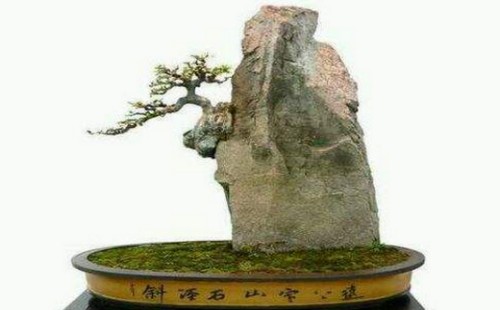
How to Secure Stones in Rock-Climbing Bonsai? Practical Methods and Techniques Explained
Rock-climbing bonsai is a way of perfectly blending stone and plant science; as a form of potted planting, it both reflects the natural landscape and creates a sense of beauty through this fusion. Rock-climbing bonsai generally involves planting plants on stones, mainly relying on the plant's root system to grip the rock surface.
条件筛选