-
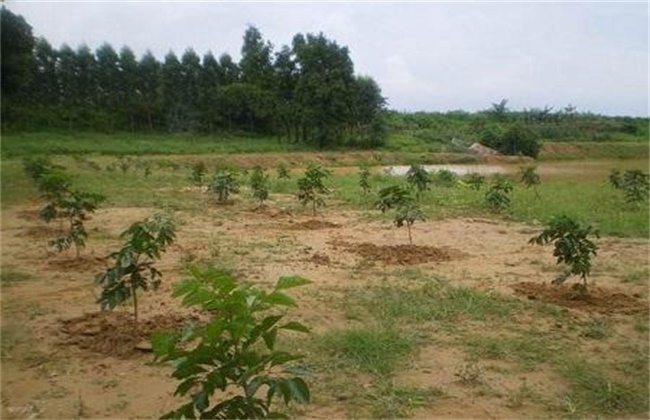
How to fertilize young wampee trees? Key practical fertilization techniques
Fertilization techniques for young wampee trees
-
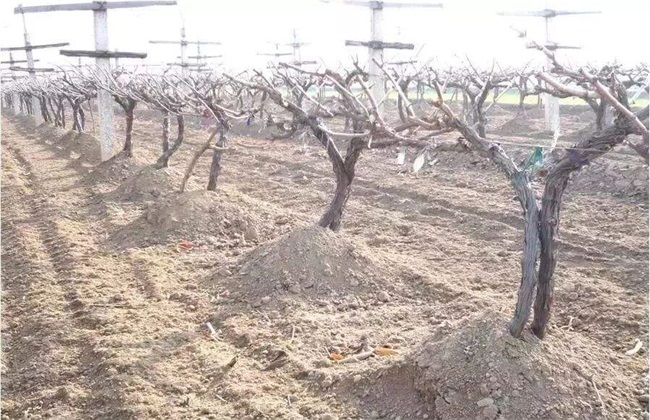
What winter cold protection measures are there for grapes? Key practical techniques
Winter cold protection measures for grapes
-

How to Increase the Yield of Sapphire Grapes? A Detailed Guide to Practical Growing Techniques
How to Increase the Yield of Sapphire Grapes
-

What are the propagation methods for bayberry? A detailed explanation of practical techniques
Propagation methods for bayberry
-

How to fertilize wax apple scientifically? A detailed guide to practical fertilization techniques
Fertilization techniques for wax apple
-

How to Grow Longan for High Yield? A Detailed Guide to Practical Cultivation Techniques
How to Grow Longan for High Yield
-

How to Store and Preserve Peaches, Plums and Apricots for Freshness? A Detailed Guide to Practical Techniques
Peach, plum and apricot (including cherry) fruits all contain a hard stone and belong to the stone fruit category, sharing common characteristics in fruit development and postharvest physiology. It is precisely because the fruit contains a hard stone that a double-S growth curve appears during growth. Peach, plum and apricot fruits have high respiration intensity; all exhibit a respiration peak, so they all belong to the climacteric type of fruit, which determines that they share basically similar storage, transport and freshness-preservation technical measures. However, as tree species and cultivars differ, the storage, transport and freshness-preservation techniques adopted also differ. Peaches and plums are generally divided into early,
-
How to Store and Preserve Fresh Peaches? A Detailed Guide to Practical Techniques
I. Cold storage. Peaches are prone to cold injury during low-temperature storage, and there is a risk of freezing at -1°C. Therefore, the suitable storage temperature for peaches is 0°C, and the suitable relative humidity is 90%-95%. Under these storage conditions, peaches can be stored for 3-4 weeks or longer. However, when peaches are stored at low temperature for a long time, the flavor gradually becomes bland. Long-term low-temperature cold storage will cause cold injury to the peaches, with browning of the flesh. In particular, when the peaches are moved to a high-temperature environment for ripening, the flesh becomes dry, mealy, and soft, and the flesh around the pit clearly
-

How to Plant Wild Sweet Potato? A Detailed Guide to Practical Cultivation Techniques
Cultivation Techniques for Wild Sweet Potato
-

How to Grow Navel Oranges: A Detailed Guide to Practical Planting Methods and Key Techniques
How Should Navel Oranges Be Grown
条件筛选