-
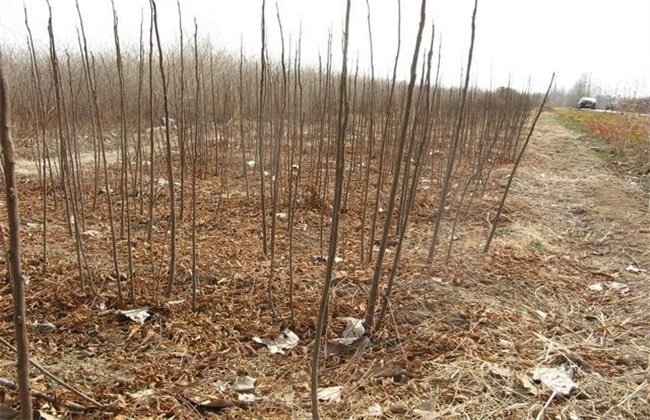
How to grow Chinaberry seedlings? A detailed guide to practical seedling-raising techniques
Seedling-raising techniques for Chinaberry
-

Practical Techniques and Experience Sharing on Lingzhi (Reishi) Bonsai Shaping
1. The caliber of the cultivation container controls the density of the fungal branches. If a large-capacity, wide-mouth bottle of 1000 ml to 3000 ml is chosen, the fungal branches will mostly form clusters of lingzhi (reishi), resembling swirling colorful clouds; if an infusion bottle is used for cultivation, it will mostly produce single branches with long stems, and a single-stemmed lingzhi symbolizes the ruyi scepter; if a canning jar is used for cultivation, two lingzhi can be kept and tied together to form mandarin-duck lingzhi, the best gift for newlyweds. 2. Oxygen-controlled shaping. Place lingzhi that has already formed a cap but has not stopped growing into a poorly ventilated container (such as a vat or bucket) to promote the appearance of a proliferated layer beneath the cap. From
-
How to fertilize Schisandra chinensis? A detailed explanation of practical fertilization techniques
Building a successful Schisandra chinensis orchard makes scientific fertilization the key. Schisandra chinensis is a perennial plant, and after planting it must grow continuously for more than 10 years within a limited nutrient range. As the cultivation years increase, the nutrients in the soil gradually decrease, the underground creeping stems are widely distributed, the growth is vigorous, and nutrient consumption is high. Therefore, rational fertilization is very important for the growth of Schisandra chinensis. The fertilization method and amount should pay attention to the following aspects. In the year Schisandra chinensis is transplanted, the root system is not well developed and the branches are thin and weak. In order to promote the seedlings and strive to bear fruit in the second year, urea can be applied in late May
-
Detailed Explanation of Practical Key Techniques for Schisandra Seedling Cultivation
Seed treatment: In early September, select plants that show early fruit coloring, tightly arranged berries, and long spikes with large berries, as seed collection trees, and collect mature berries from the middle and lower parts of Schisandra as seeds. Soak in clean water for 2-3 days, then rub off the pulp, float away the shriveled seeds, scoop out the seeds and drain the water, place in a ventilated place to dry in the shade, soak the seeds in early January, after absorbing water for 48 hours, scoop them out and air-dry, mix with snow at a ratio of 1:3 and stir thoroughly and evenly, then place in a shaded outdoor area for frozen storage. Calculate the sowing period well, take the seeds out half a month before sowing
-
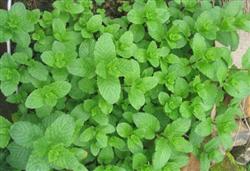
How to Grow Mint Efficiently? A Detailed Guide to Practical Cultivation Techniques
Mint, also known as Su mint or Nan mint, is a plant of the Lamiaceae family, mint. The whole plant is used as medicine, and it has effects such as dispelling wind-heat, clearing the head and eyes, and regulating qi to relieve depression. Mint has strong adaptability. When grown in areas at an altitude of 300 m-1000 m, its oil and menthol content are relatively high. It prefers a warm and humid environment, and the optimal temperature for growth is 20°C...
条件筛选