-
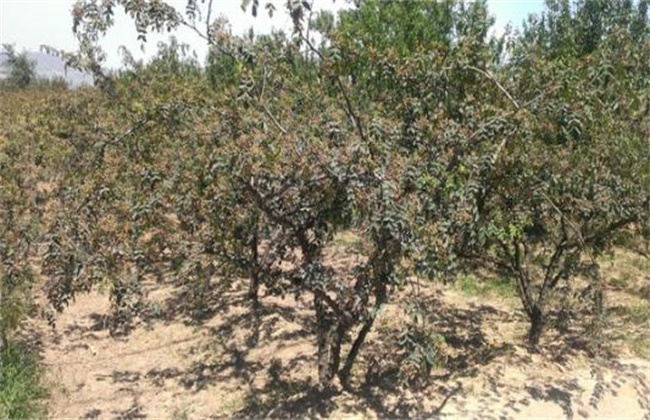
How to scientifically cultivate Sichuan pepper? A full analysis of practical techniques
Scientific cultivation techniques for Sichuan pepper
-
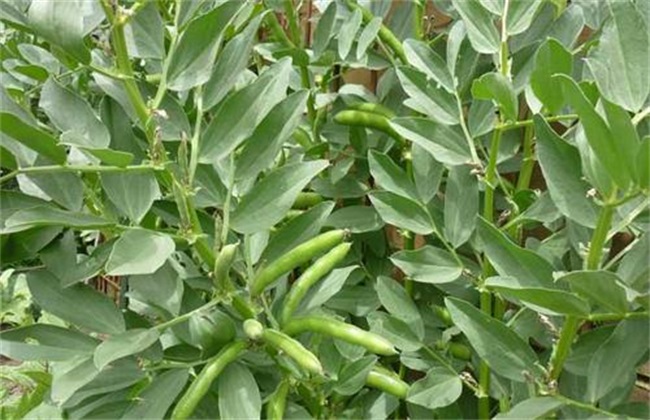
How to Increase Broad Bean Yield? Practical High-Yield Techniques Explained
How to Increase Broad Bean Yield
-
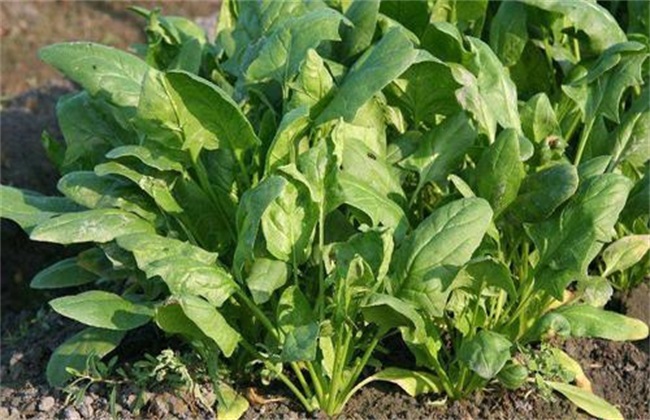
How to Grow Spinach for High Yield? A Detailed Guide to Practical Growing Techniques
How to Grow Spinach for High Yield
-

What environment is suitable for growing shiitake mushrooms? A detailed guide to practical cultivation and management techniques
Cultivation techniques for shiitake mushrooms
-

How to prevent and control pests and diseases of oil tea (Camellia oleifera)? A full analysis of practical techniques
Pest and disease control techniques for oil tea (Camellia oleifera)
-
Two Practical Potato Processing Techniques Explained in Detail
1. Jam Making Recipe: 4 kg potatoes, 4 kg granulated sugar, 10 g citric acid, a small amount of carmine red pigment and food flavoring, 2-3 g sodium benzoate. Method: First wash the potatoes, steam them until cooked, peel them, spread them out to cool, then mash them into a paste with a pulping machine. Then pour the granulated sugar into a double-layer pot, add an appropriate amount of water and boil to dissolve, pour in the potato paste and stir so that the potato paste and sugar water are mixed, continue heating and stir constantly to prevent scorching. When the slurry temperature reaches 107°C-110°C, use citric acid water to adjust the pH to
-
How to Control Abnormal Growth in Garlic? A Detailed Guide to Practical Techniques
Abnormal growth in garlic mainly includes two types: secondary growth of garlic and onion-type garlic. Secondary growth, also known as the regrowth of degenerate leaves in garlic and commonly called "horsetail garlic," refers to the phenomenon where, at the same time the garlic scape emerges, a ring of small garlic leaves grows around the scape. These small leaves grow around the scape, while the growth point of the new cloves shows no sign of sprouting. This abnormal phenomenon means the garlic can neither be kept for seed nor eaten, severely reducing its marketability and economic value. The causes of secondary growth in garlic are mainly
-
How to control subsurface pests in upland rice? A full breakdown of practical techniques
In recent years, with the application and promotion of dry-raised transplanting techniques, upland rice cultivation in Gejiu City has become a new highlight of economic growth in mountainous rural areas. How to do a good job in controlling subsurface pests is an important technical measure for developing upland rice production and ensuring increased yield and income. The common subsurface pests of upland rice mainly include white grubs (the larvae of scarab beetles), wireworms (the larvae of click beetles), mole crickets, and cutworms (cut worms). These pests live in the soil during their damaging period, feeding on seeds, young sprouts, roots and stems, causing missing plants, gaps in rows, or
-
These practical techniques help late-sown wheat achieve high yields
Because late-sown wheat (wheat sown after mid-October, generally called late-sown wheat) is sown late, it is difficult to achieve full, strong and uniform seedlings, and thus difficult to obtain high yields. However, with proper management, a high yield is entirely possible. 1 Apply sufficient base fertilizer. Late-sown wheat needs 10-15 days from sowing to emergence, which shortens the pre-winter growth period and causes the seedlings to grow in the soil for too long and become weak. Late-sown wheat must be given sufficient base fertilizer, with 3500 kg of high-quality farmyard manure, 40-45 kg of ammonium sulfate, 50 kg of superphosphate and 10 kg of potash fertilizer per mu
-
How to store scallions for a long time? Practical storage techniques shared
Optimal storage temperature: 0°C Relative humidity: above 95%RH Scallions, like leafy vegetables in general, are suited to storage in a low-temperature, high-humidity environment. Above freezing, the lower the storage temperature the better (around 0°C), and the relative humidity should ideally be 98-100%RH. Therefore, they can be placed in a perforated plastic bag. Trimming the root ends of scallions before bundling can avoid bringing large amounts of waste to market. If hygiene is maintained during trimming to prevent the entry of pathogenic bacteria, the difference in storage life between trimming and not trimming is small. Commercial sellers may choose
条件筛选