-
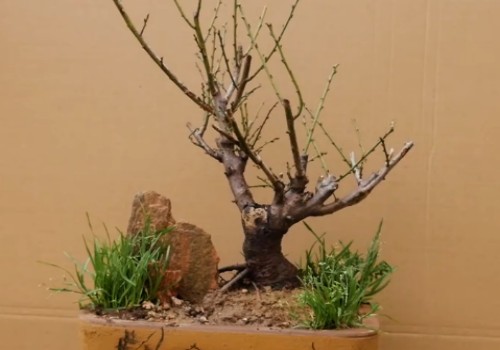
Detailed explanation of plum blossom bonsai shaping techniques, easily create beautiful bonsai
The ornamental value of old-trunk plum blossom bonsai is very high, but to create a beautiful plant shape and fully reflect its ornamental value and artistic charm, it is difficult to achieve without years of cultivation and shaping. The two most important methods involved in the shaping process of plum blossom bonsai are pruning and tying.
-
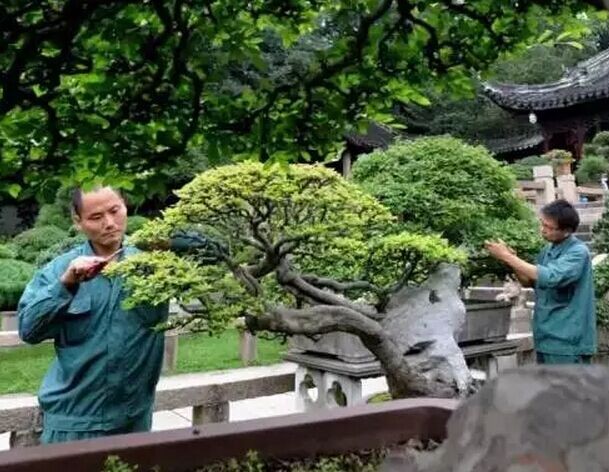
Suzhou-style bonsai pruning and shaping during the plum rain season showcases their unique artistic charm
During the plum rain season, there is plenty of rain and high humidity, so plants grow especially vigorously, and the branches and leaves of bonsai trees grow very quickly. Yesterday, horticulturists at the Bonsai Garden of Wan Jing Villa in Tiger Hill took advantage of a break in the rain to prune and beautify more than 600 Suzhou-style bonsai in the garden, so that these fine bonsai can all grow healthily and always maintain their beautiful forms
-
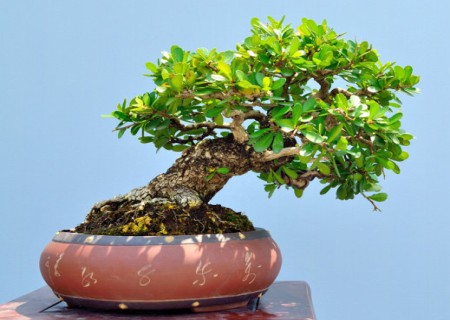
A detailed explanation of the Lingnan bonsai crown-finishing branch method, mastering the key points of tree crown shaping
For the crown finishing of a stump bonsai, the traditional left-right-left method can be changed to a spiraling crown finish. This keeps the crown low yet still allows for a rich tree form, giving the bonsai plant a wonderful effect of a thick but low trunk in a specific natural environment. At the same time, it also gives people a fresh, simple and natural feeling
-
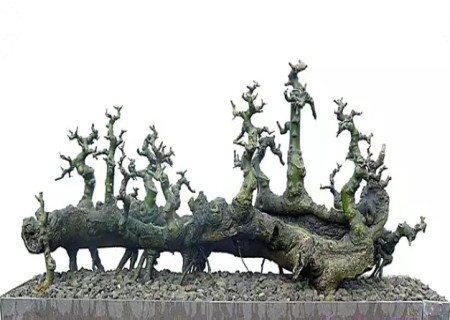
Lingnan Penjing Trunk Chopping and Branch Cultivation Techniques and Branch Direction Handling Methods
The creation of Lingnan penjing has always emphasized the direction of branches. Whether a perfect Lingnan penjing work can be created mainly depends on whether trunk chopping and branch cultivation are done properly, as is widely known. The direction of penjing plant branches is directly related to the overall layout of the work and its mutually reinforcing effect. Trunk chopping is a relative concept
-
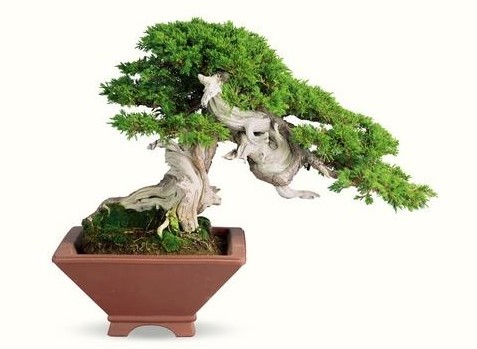
Shaping and Care Techniques for Deadwood (Sharimiki) Bonsai Trees
Old trees in nature, battered by lightning, wind, frost, snow, rain, falling rocks and disease, have parts of their bodies withered, their bark peeled away, and their xylem turned into white bone. This naturally formed condition in the wild, where the bark peels off the trunk or the tips of branches, is called a natural "kami"; while the whitening of the xylem on part of the trunk is called "shari."
-
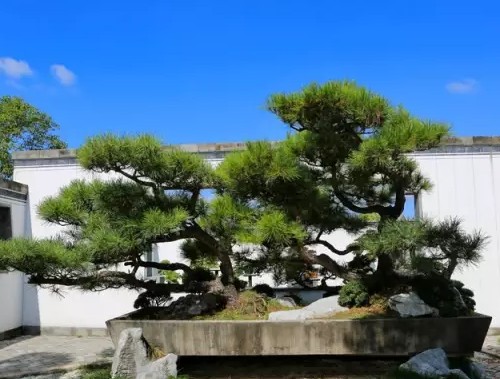
Detailed Explanation of Huizhou-Style Tree Stump Bonsai Shaping Methods
The timing for shaping tree stump bonsai varies depending on the plant species. Generally, spring and autumn are the best seasons, because in spring plants begin to sprout, the branches are relatively soft, and deciduous plants have not yet grown leaves, making shaping operations easier; in autumn, plants have completed their growth cycle, and deciduous plants have already shed their leaves and are preparing for dormancy, which is equally suitable for shaping.
-
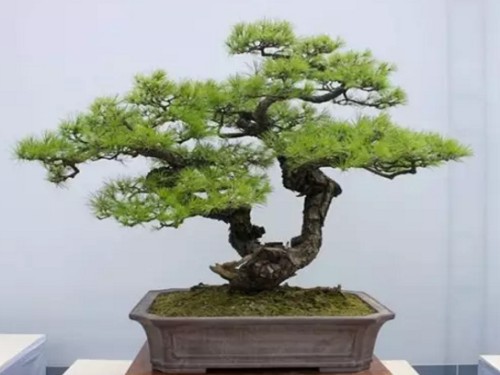
Bonsai Tree Stump Pruning and Shaping Methods and Techniques
Tree stump bonsai is usually made from woody plants, selecting plants with graceful posture, short stature, small leaves, long lifespan, tolerance to pruning, strong resistance, and easy shaping. Without violating the growth habits of the trees, methods such as leaf removal and pinching are used to inhibit their growth and carry out shaping. In the cultivation process of this kind of bonsai
-

Detailed Explanation of the Key Techniques for Shaping Landscape Bonsai
Landscape bonsai is a combined bonsai style that integrates rocks and plants into one, but it focuses on expressing the majestic grandeur of mountain forms and the lush greenness of plants, as well as the coordinated pairing effect between the two. Therefore, how to combine them often must follow certain rules or patterns; otherwise, the layout will appear rather chaotic and cannot achieve a natural sense of beauty. At the same time
-
Flowers to Avoid Keeping Indoors; Learn How to Cultivate Edible Mushrooms
Flowers to Avoid Keeping Indoors
-
Fertilization methods for edible fungi and the reasons for browning, yellowing and dropping of Clivia miniata leaves
Why do Clivia miniata leaves scorch, turn yellow and drop
条件筛选