-
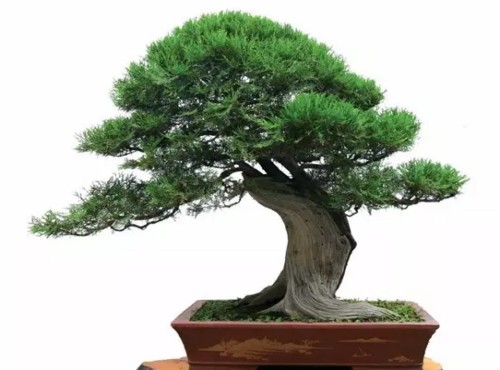
Detailed guide to making Chinese arborvitae (Platycladus orientalis) bonsai, shaping it step by step
Chinese arborvitae (Platycladus orientalis), of the cypress family and the genus Platycladus. It is vigorous and not particular about soil, but grows slowly and lives extremely long; ancient trees over a thousand years old can be seen everywhere. Chinese arborvitae bonsai has high ornamental value; to maintain its graceful posture, you must spray when watering. Rinse the dust and dirt off its leaves, branches and trunk, and the surface of the pot, which helps with light exposure
-
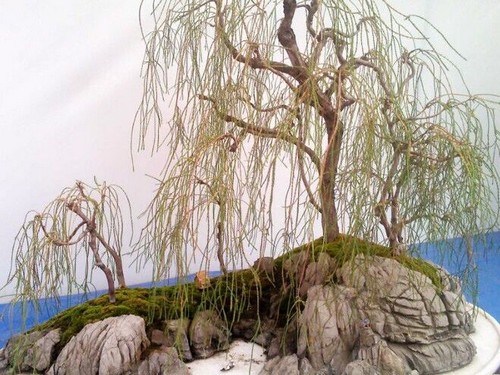
How to Make a Weeping Willow-Style Bonsai from Tamarisk
Tamarisk, also known as Guanyin willow, also known as Xihe willow. Its trunk is not very large, with reddish stems and slender branches, and leaves as fine as silk threads, graceful and lovely. It flowers three times a year, with flower spikes 2 to 3 cun (about 6.7-10 cm) long, pink in color and shaped like smartweed flowers, hence it is also called three-spring willow. Its flowers open whenever it rains, and it is suitable for planting by water and beside ponds. If rain is coming, the tamarisk rises first to respond to it, so it is also called the rain master.
-
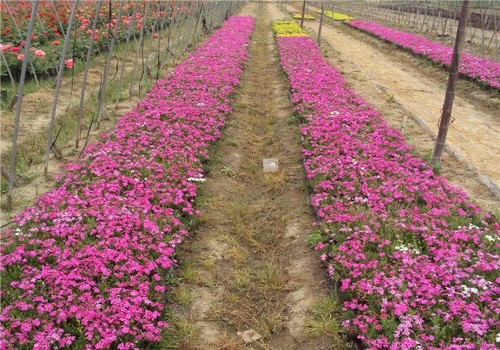
What are the planting methods for creeping phlox?
Creeping phlox has a long green period and a long flowering period, especially in the peak bloom of early spring, when it is a profusion of flowers shaped like a colorful carpet. Creeping phlox is planted once and enjoyed for many years; in its early-spring peak bloom it looks like a colorful carpet, very gorgeous and festive, and in landscaping it is suitable for planting in carpet flower beds
-
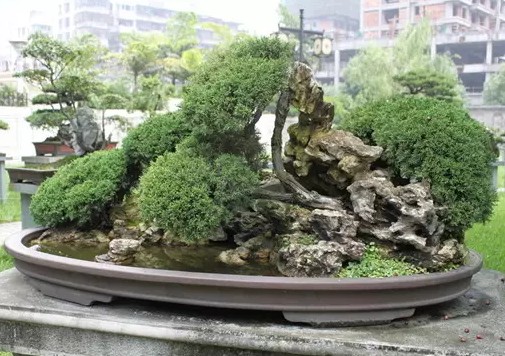
How to choose a pot and repot a creeping juniper bonsai? A detailed guide to the method
The creeping juniper (Juniperus procumbens) has emerald-green foliage, winding and creeping, and is worth viewing in all four seasons. The ornamental effect is at its best in spring when tender green new branches and leaves emerge. During the growing season, it should not be kept indoors for long periods. The creeping juniper is easy to shape and can be made into a horizontally spreading symmetrical bonsai, placed in a courtyard or reception room for appreciation
-
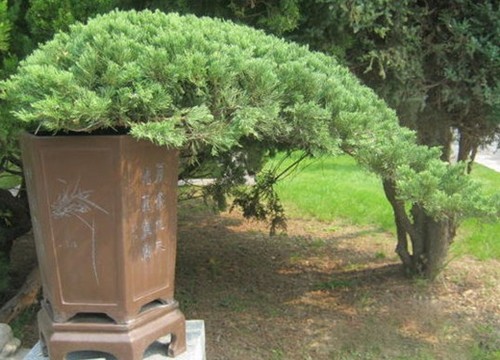
How to propagate creeping juniper bonsai by cuttings? Detailed guide to cutting propagation
Creeping juniper, also known as prostrate juniper and creeping ground juniper, belongs to the Cupressaceae family, genus Juniperus. It is an often trailing shrub. Because its trunk diameter is mostly twisted, its branching is fine and dense, its adaptability is strong, and it is easy to shape, it is deeply loved by bonsai enthusiasts. Cutting propagation of creeping juniper is a relatively cost-effective method of propagation, so it is widely adopted
-
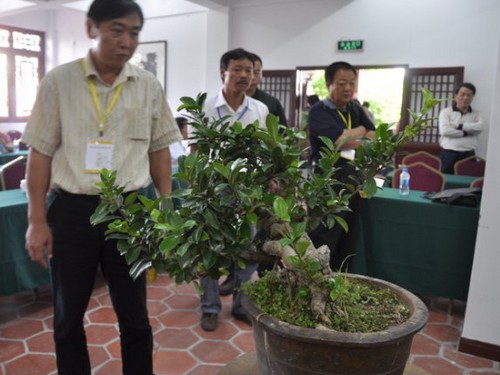
What ranges does proportion cover in the process of shaping bonsai and stump scenery?
Appropriate and harmonious proportion in bonsai art gives people pleasure, thereby producing aesthetic delight; conversely, it is difficult to evoke a resonance of beauty. In bonsai, "shrinking a dragon into an inch" and "a vast landscape within a foot" - the "inch" and "foot" clearly tell us that aesthetic factors of proportion are contained within. For stump scenery shaping, proportion is a broad concept.
-

How big an aquarium is suitable for keeping Japanese koi?
Keeping Japanese koi, how big an aquarium is suitable? ↑Click "Hua Wang Yu" above to follow us. Japanese koi is an ornamental fish that modern people are very passionate about, a high-end ornamental fish popular around the world, and has the reputation of "living gem in the water". Planning to keep Japanese koi...
-
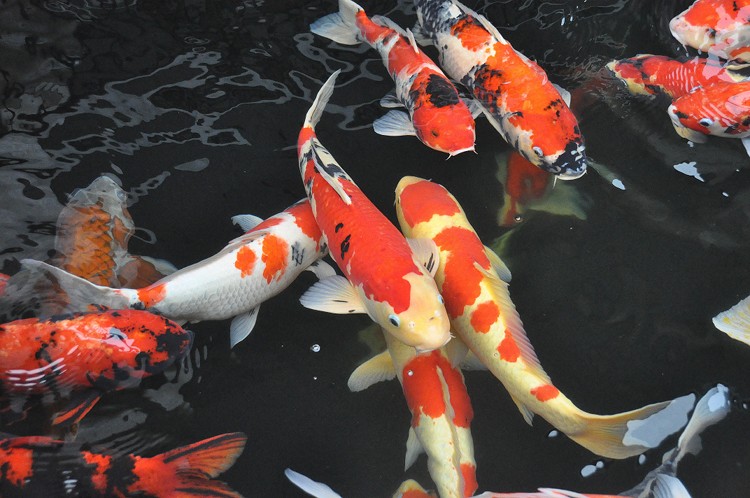
Which Koi Varieties and Colors Are Best? A Complete Guide to Koi Keeping Methods
Koi have a robust and graceful build, brilliant colors, highly varied patterns and a majestic swimming style, giving them extremely high ornamental and keeping value. Their body length can reach 1-1.5 m. Koi are distinguished by different colors, patterns and scales. Among them, the Butterfly Koi was only successfully bred in the 1980s, with...
-

Koi Keeping Guide: How to Choose and Buy Koi
What are the ways to choose koi? Fish keepers who don't know how to choose koi will surely wonder after buying whether they got ripped off, and this kind of thought often lingers in their minds. So learning how to choose koi becomes especially important. Here are some insights...
-
After buying new koi fish, stable water quality is the key to keeping them alive
People who keep fish at the Japanese Consulate-General in Shanghai probably all know about Japanese koi to some extent. As a traditional large ornamental fish of Japan, koi are precious and brilliantly colored, and are called "living works of art," "living gems in the water," and "the king of ornamental fish." However, as early as 2003, because Japan...
条件筛选