-
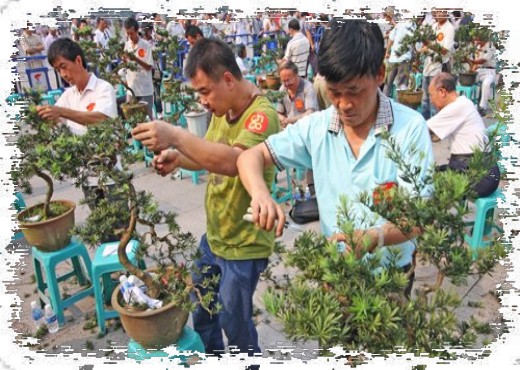
A Detailed Guide to the Processing and Shaping Methods for Bonsai Tree Stock
Seedlings grown from a young age generally begin to be processed and shaped after about 3 to 5 years; for tree stumps collected from the mountains and wilds, most can be processed and shaped after just one year of stock cultivation. Before processing, field-grown tree stock can be dug up and temporarily planted in a pot of basically suitable size, to make it easier to work with and shape. Large tree stock can also be processed and shaped on the spot.
-

Branch selection and shaping methods for Chinese ash (Fraxinus hupehensis) bonsai stumps
Fraxinus hupehensis belongs to the Oleaceae family, genus Fraxinus. Native to Jingshan in western Hubei, it is a deciduous tree reaching over 30 m in height. Young and middle-aged trees have smooth, pale grayish-green bark, while middle-aged and old trees have vertical dark gray furrows. The new shoots that sprout in the first year should be handled according to the vigor of sprouting and branch growth of each stump. For vigorous trees
-
Detailed Explanation of the Key Techniques for Pruning and Shaping Osmanthus Bonsai
Osmanthus bonsai inherits the technical characteristics of various schools, mainly adopting techniques such as compressing the dragon into inches, trunk chopping and branch accumulation, coarse wiring and fine pruning, root lifting and claw exposure, and controlling the top to promote the bottom. The tree forms are mainly curved-trunk style, slanted-trunk style, or flowing style, with the tree inclined and spreading, dense branches and leaves, simple and natural, most worthy of appreciation, and when in bloom, rich fragrance fills the air
-
Detailed Explanation of the Key Techniques for Pruning and Shaping Chinese Hackberry (Celtis sinensis) Bonsai
Chinese hackberry is commonly found growing wild beside hillside streams and valleys in the hilly and low-mountain areas of the Yangtze River basin and regions to its south. Ancient, curiously shaped old sprout-origin stumps that have been cut back for many years can be collected and grown on to develop their root system. Through pruning, root development is encouraged and new shoots are stimulated, after which the tree is shaped and cultivated; after 12 years, it is then potted up and worked on further.
-
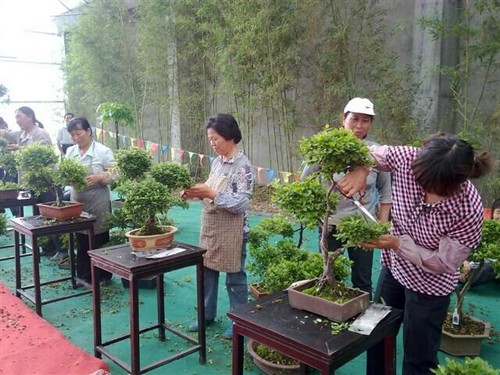
Detailed Explanation of the Key Techniques for Pruning and Shaping Azalea Bonsai
Azaleas have strong sprouting and regenerative ability. Every 1-2 years after the flowers fade, they should be repotted into a pot slightly larger than the original one, along with fresh potting soil. Experienced growers often combine repotting with pruning and shaping, deliberately training an attractive tree form. When pruning,
-
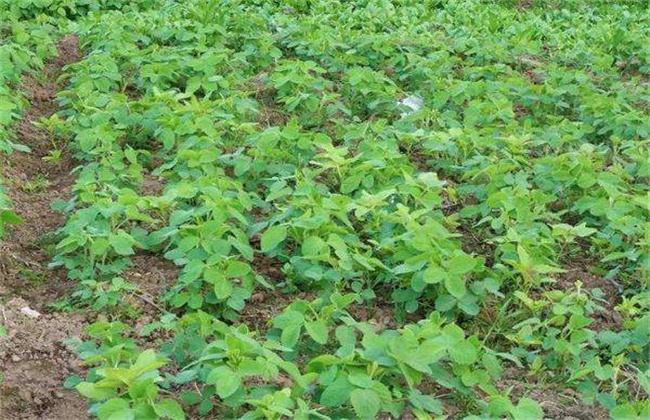
What issues should be noted when planting soybeans in continuous cropping?
Issues to note in continuous soybean cropping
-
Detailed Explanation of the Key Points of Grape Bonsai Shaping Techniques
The purpose of shaping and pruning grapes is to regulate the contradiction between growth and fruiting, to rationally arrange the vines on the trellis, to make management convenient, to keep the tree vigorous, to extend its lifespan, and to create favorable conditions for consecutive years of high yield. Grape bonsai shaping often adopts different forms depending on the different planting methods.
-
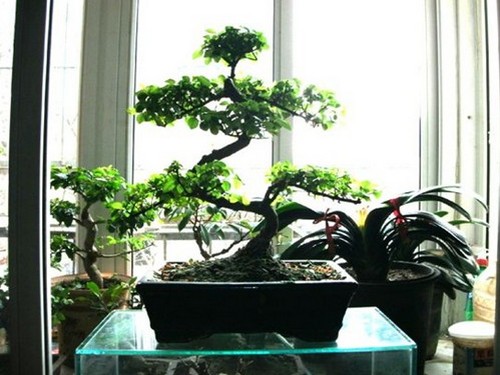
Detailed Explanation of Shaping and Styling Techniques for Chinese Privet (Ligustrum quihoui) Bonsai
Artistic shaping of garden plants is a technique in which garden technicians use ingenious concepts and adopt measures such as pruning and shaping, frame building and styling, and cultivation management to create beautiful artistic images with high ornamental value.
-
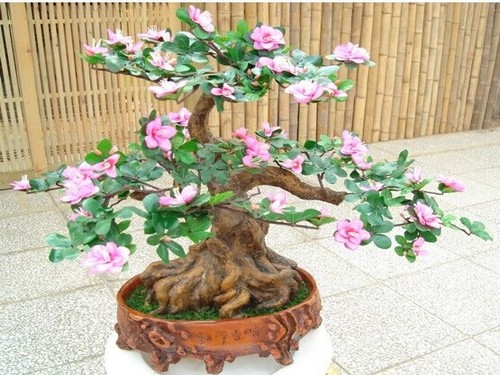
Detailed Explanation of Bonsai Wiring and Shaping Techniques for Camellia
Camellia is one of the top ten famous flowers in China. With its characteristics of remaining evergreen through winter, braving frost and snow, and blooming in the cold, it adorns gardens in winter and early spring. If used for bonsai, its elegant and dignified plant form, glossy green leaves, and the natural combined effect of beautiful yet not gaudy flowers can make indoor spaces shine and brim with vitality.
-
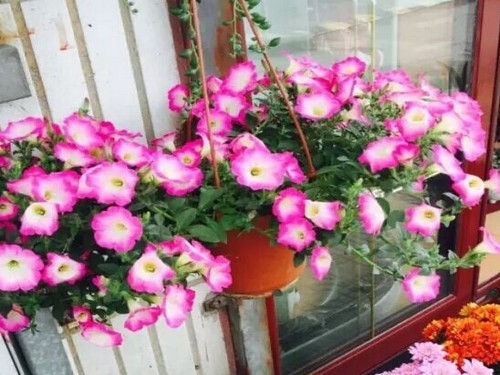
Detailed Guide to Pinching and Topping Techniques for Bonsai and Flowering Plants
Pinching means using your fingers to nip off (or cut off) the growing tip of the main stem or side branch of a flowering plant, to encourage axillary buds to sprout or to suppress leggy branch growth, so the plant grows sturdy and attractive with more flowers. For common herbaceous flowers, such as scarlet sage, snapdragon, five-color pepper, and Madagascar periwinkle, once the seedlings have established after planting and the plant height is about 10 cm
条件筛选