-
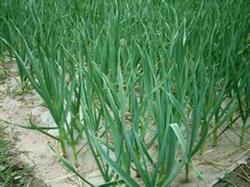
Symptom Identification and Control Measures for Nutrient Deficiency in Garlic
(1) Watering. Although garlic leaves are fairly drought-tolerant, the roots are shallow and have weak absorption capacity, so garlic requires relatively high soil moisture, and different growth stages have different requirements for soil moisture. After sowing, maintain relatively high soil moisture; if it is too dry, water in advance to achieve suitable moisture for sowing. Before winter...
-
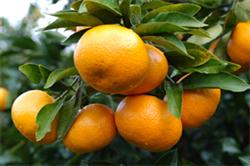
Citrus fruits are rich in more than 30 kinds of nutrients
More than 30 kinds of health-promoting substances for the human body contained in citrus fruits have been identified so far, among which the main ones are: flavonoids, monoterpenes, coumarins, carotenoids, norisoprenoids, acridones, glyceroglycolipids, and so on. Flavonoids: The flavonoids contained in citrus fruits fall into three types: type i is the general flavonoids represented by rutin...
-
Lettuce needs sufficient nutrients during the stem swelling stage
Lettuce belongs to the Asteraceae family, the genus Lactuca, and is an annual or biennial herbaceous plant. Lettuce can be divided into two types: leaf lettuce and stem lettuce. Leaf lettuce is also called shengcai (lettuce), and stem lettuce is also called wosun (celtuce) or xiangsun. The flesh of celtuce is tender, and the stem can be eaten raw, served cold, stir-fried, dried, or pickled. Leaf lettuce is mainly grown for its leaves or leaf heads. The stems and leaves of lettuce contain lactucin...
-
How to fertilize Chinese cabbage and radish? Master the nutrient requirements and fertilization methods
Chinese cabbage is an important leafy vegetable. Chinese cabbage has a very high yield, reaching over 5000 kg per mu, so it has relatively high fertilizer requirements. The ratio of the three is 1:0.4:1.1. Therefore, like other leafy vegetables, Chinese cabbage requires adequate nitrogen nutrition during the vegetative growth period, which is particularly important for promoting the formation of large leaves and increasing the photosynthetic rate...
-
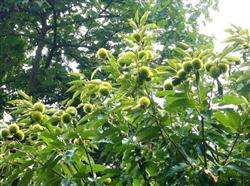
Technical points for supplementary application of micronutrient fertilizers after chestnut harvest
The main cause of low yields and high rates of empty burrs in chestnut orchards is the failure to apply or spray boron micronutrient fertilizer during management. When the soil available boron content is lower than 0.5 parts per million, it affects the normal fertilization process of chestnut, causing early embryo development to stall, thereby forming empty burrs. In production, one can seize the period after harvest...
-
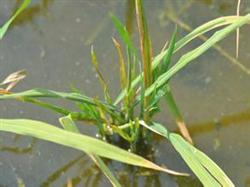
What are the symptoms of nutrient deficiency and excess nutrients in rice?
I. Overview of the occurrence In 2001, southern rice black-streaked dwarf disease was first discovered in late rice in Guangdong. In recent years, the affected area has expanded rapidly in Vietnam and the rice-growing regions of southern China. In 2009, it occurred in 9 provinces including Guangxi, Guangdong and Hunan, with an affected area of 5 million mu, and it is expected to exceed 10 million mu in 2010 (there is not yet an accurate...
-
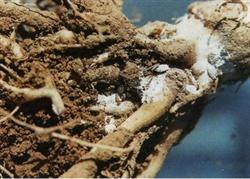
Detailed Guide to Identifying Nutrient Deficiency Symptoms in Corn
In recent years, the occurrence range of the corn root mealybug has continued to expand, and the severity of outbreaks has increased year by year, posing a serious threat to corn production and making it a major pest constraining corn yields. The corn root mealybug belongs to the order Homoptera, family Pseudococcidae. In Hebei, this insect produces 3 generations per year, with the second generation (mid-June to early-to-mid August) causing damage...
-
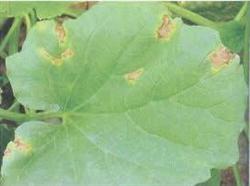
How to mix nutrient soil for melons? Sharing practical tips
Melon leaf blight, also known as brown spot disease, generally occurs during the peak fruiting stage. It is a fungal disease that can cause melon yields to plummet, with fewer and smaller melons and a greatly reduced sweetness. When external conditions are suitable, it can easily break out suddenly within a short period. The pathogen mainly damages leaves, and often also affects petioles, stems and vines, and fruits. Leaf blight first starts from the base...
-

The water changed out from fish keeping is rich in nutrients and can be used for succulent plants.
Some flower lovers not only enjoy growing flowers but also enjoy keeping fish. In the process of keeping fish, one tiring task is changing the water in the fish tank and washing the filter, which takes effort, water and physical strength. Now I have thought of a water-saving method: use the "black water" from washing the filter cotton...
-
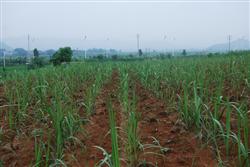
A Detailed Guide to the Nutrient Requirements and Fertilization Methods of Sugarcane
1. Using Phosphate Fertilizer. Phosphate fertilizer must be fully pulverized and thoroughly mixed and composted with garbage fertilizer or farmyard manure before application. In recent years, many sugarcane farmers have spread phosphate fertilizer directly into the furrows. This approach results in a phosphate fertilizer utilization rate of less than 10%, with more than 90% being fixed by the soil into unavailable phosphorus and wasted. The author suggests: apply 30-... of phosphate fertilizer per mu.
条件筛选